







First, Play Detective: Find the Source
You can't eliminate the smell without finding its origin. The culprits are often hidden in plain sight. High humidity during the rainy season creates the perfect breeding ground for mould and mildew, which are the primary sources of that musty odour.
Begin by inspecting your home for common problem areas. Check walls for damp patches, especially those near bathrooms or bordering a neighbour's property. Look under sinks and around plumbing for any signs of leaks or condensation. Don't forget to inspect inside wardrobes and kitchen cabinets, which are often poorly ventilated. Other sources can include clogged gutters causing water to overflow and seep into walls, or hairline cracks in the building's exterior. A thorough inspection is the first and most crucial step toward a fresher home.
Let It Breathe: The Power of Ventilation
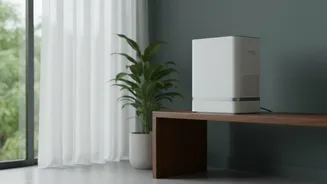
Moisture thrives in stagnant air. Improving ventilation is one of the most effective ways to combat dampness. Whenever it’s not actively raining, open your windows and doors to allow for cross-ventilation. This simple act helps push moist, stale air out and brings fresh air in. For rooms with limited natural airflow, like bathrooms and kitchens, make it a habit to run exhaust fans. These fans are specifically designed to pull moisture-laden air outside. If you don't have exhaust fans, even a simple table fan can help circulate the air. For persistent humidity, a dehumidifier is a worthwhile investment. It actively removes excess moisture from the air, making the environment less hospitable for mould and mildew.
Clean and Neutralise with Kitchen Staples
Once you've identified damp spots, it's time to clean. You don't need harsh chemicals; some of the most effective solutions are likely already in your kitchen. White vinegar is a powerful, natural agent against mould and odours. Create a cleaning solution by mixing equal parts white vinegar and water in a spray bottle. Spray it on affected walls and surfaces, let it sit for a bit, and then wipe clean. Baking soda is another hero ingredient, known for its ability to absorb smells. To deodorise carpets or upholstered furniture, sprinkle a generous amount of baking soda, let it sit for at least 30 minutes, and then vacuum it up thoroughly. You can also place open bowls of baking soda in stuffy cupboards or rooms to absorb lingering odours.
Defend Your Wardrobe and Drawers
Cupboards and wardrobes are notorious for trapping moisture, leaving your clothes with a musty smell. To combat this, you can use several natural moisture absorbers and fresheners. Activated charcoal is highly effective at absorbing both moisture and odours due to its porous structure. Place small bags of activated charcoal in the corners of your wardrobes and drawers. Camphor is a traditional choice that also works well to purify the air and deter pests. Another simple trick is to use neem leaves, which have natural antifungal properties; placing a few dried sprigs between clothes can help keep them fresh. Regularly airing out your cupboards on dry, sunny days will also prevent the build-up of stale air.
Focus on Prevention for Lasting Freshness
While cleaning gets rid of the current problem, prevention is key to avoiding a repeat performance next monsoon. Start by addressing any structural issues you found during your inspection. Seal any cracks in walls, window frames, or door frames to prevent water from seeping in. Ensure your roof and gutters are in good repair and clear of debris. For walls that are chronically damp, consider applying a coat of waterproof paint as an extra barrier against moisture. Inside the home, avoid drying clothes indoors if possible, as this releases a large amount of moisture into the air. If you must dry them inside, ensure the area is extremely well-ventilated.