






The End of a Fixed Ritual
For generations, the changing seasons in India dictated a predictable wardrobe migration. Heavy winter clothes would be aired out, treated with mothballs, and sealed in large metal trunks, while cottons and linens were brought out for the summer heat.
This twice-a-year process was a hallmark of household management, a planned response to the country's distinct seasons. This system relied on predictable weather—a clear beginning and end to the cold or heat. But as lifestyles and the environment change, this rigid schedule is proving to be less practical for the modern Indian household.
When Weather Rewrites the Rules
A primary driver of this shift is climate unpredictability. Milder winters, sudden cold snaps during spring, and unseasonably rainy summer days are becoming more common. Relying on a wardrobe that is packed away and inaccessible is no longer feasible when you might need a light sweater in July or a breathable shirt in December. Climate change is making weather patterns more erratic, forcing a change in how we approach our clothing. Having a mix of garments accessible year-round is becoming a necessity to navigate these fluctuating temperatures comfortably.
The Rise of the All-Season Wardrobe
Fashion itself has moved beyond strict seasonal collections. The concept of 'trans-seasonal' clothing—garments that can be worn across different seasons—is gaining popularity. Think of items like denim jackets, lightweight cardigans, classic white shirts, and versatile dresses. These pieces form the foundation of a modern wardrobe and can be layered up for warmth or worn alone in milder weather. The growth of fast fashion has also introduced a wider variety of affordable, trendy items that encourage mixing and matching, rather than adhering to a formal seasonal switch. This promotes a more versatile and sustainable approach, where a curated collection of adaptable pieces reduces the need for separate seasonal wardrobes.
Space, The Final Urban Frontier
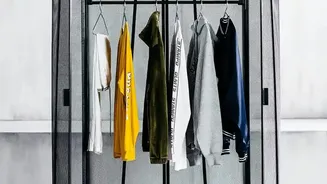
Another significant factor is the changing landscape of Indian homes, particularly in urban areas. As cities grow denser, apartments are becoming more compact, leaving little room for bulky trunks or extensive storage. Many modern homes in cities like Mumbai and Bengaluru simply lack the dedicated storerooms or large box-beds that were once common. This has pushed a trend towards smarter, more integrated storage solutions. Floor-to-ceiling closets, under-bed storage bags, and modular, freestanding racks are becoming popular because they maximize vertical space and keep clothes accessible. These solutions favour a visible, organized wardrobe over deep storage.
Adopting a Flexible New System
So, what does this new flexible approach look like in practice? It's about creating a smarter, more dynamic wardrobe. Many are adopting the 'capsule wardrobe' concept, focusing on a limited number of high-quality, versatile pieces. Before storing anything, a common practice is to declutter, sorting items to keep, donate, or recycle. For the few items that do need to be stored, like heavy winter coats, vacuum-sealed bags are a popular choice as they drastically reduce bulk. The focus has shifted from a complete seasonal overhaul to a continuous, mindful curation of one’s closet, ensuring it works for an unpredictable climate and a modern lifestyle.