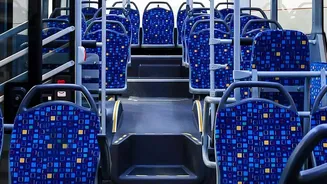







Book Smart: How to Choose the Best Seat
Your comfort begins the moment you book. The best seat can make all the difference on a long journey. For the smoothest ride, choose a lower berth located in the middle of the bus. These seats are situated between the front and rear axles, which means
you'll feel fewer bumps from potholes. Seats at the very back tend to be the bumpiest, while those at the front can be noisy and subject to headlight glare. While some travelers prefer upper berths for the added privacy, lower berths are generally more stable and easier to access, especially during nighttime rest stops. If you are a solo female traveler, look for operators that offer women-only seating sections for added peace of mind. Booking your ticket a few days in advance usually gives you a better selection of these prime spots.
Pack Like a Pro: The Carry-On Essentials
What you pack in your small carry-on bag is crucial. This bag should contain everything you need access to during the journey, so you don't have to rummage through luggage stored under the bus. Your essential kit should include a power bank and charging cable, as onboard charging points are not always reliable. Pack a light shawl, hoodie, or thin blanket; the air conditioning on buses can get surprisingly cold overnight. An eye mask and earplugs (or noise-cancelling earbuds) are non-negotiable for blocking out light from toll plazas and noise from fellow passengers. Also include a bottle of water and some light, non-greasy snacks like nuts or biscuits, as rest stops can be unpredictable. Finally, a small pouch with hygiene items like wet wipes, hand sanitiser, and a toothbrush will help you feel fresh upon arrival.
Your Onboard Personal Safety Checklist
Once you're on the bus, a few simple habits can significantly enhance your safety. Always keep your valuables—like your wallet, phone, and any important documents—in a small bag that you can keep close to you, even while you sleep. Tucking it under your pillow or inside your blanket is a common practice. If you're a solo traveler, particularly a woman, it’s wise to share your live journey details with a friend or family member. Be friendly but cautious when interacting with other passengers and avoid sharing too much personal information. When the bus makes a rest stop, take your small valuables bag with you if you get off. Trust your instincts; if a situation or person makes you feel uncomfortable, discreetly inform the bus conductor or staff.
Maximising Comfort for a Restful Sleep
Getting quality sleep on a moving bus can be challenging, but it’s not impossible. Create a comfortable 'sleep zone' as soon as you settle in. Draw the curtain on your berth, put on your eye mask, and wear your earplugs. Try to avoid using your phone for at least the first hour, as the screen's blue light can make it harder to fall asleep. Instead, consider listening to a calming podcast or audiobook. Wear loose, layered clothing that you can adjust if the temperature changes. Having a fresh pair of socks can also make a surprising difference if your feet get cold. While you might not get a full eight hours of perfect sleep, even a few uninterrupted hours will leave you feeling much more refreshed when you reach your destination.