




From Mainstream to Meaningful
The travel philosophy among young Indians, particularly Gen Z and millennials, is undergoing a significant transformation. It's no longer about simply ticking destinations off a bucket list. Instead, the focus has shifted towards immersive and meaningful
experiences that offer a genuine connection to a place. Reports show that a vast majority of young travellers now prioritize cultural offerings when choosing a destination. This 'anti-tourist' sentiment is driving them away from over-commercialised hotspots and towards hidden gems where they can engage with local life, avoid crowds, and find stories as much as sights. This trend has only intensified post-pandemic, with a renewed appreciation for open spaces and authentic engagement.
The Lure of Authentic Culture
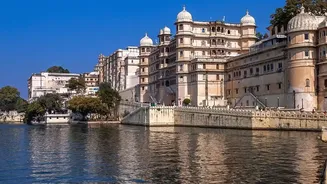
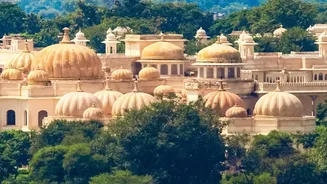
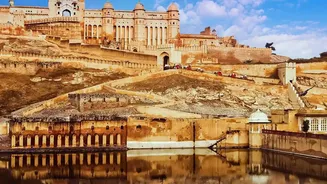
For many, the biggest draw of an offbeat location is the promise of cultural immersion. Young travellers are actively seeking out destinations where they can participate in local festivals, explore heritage quarters, and learn about traditional practices. This has led to a surge of interest in places like the Ziro Valley in Arunachal Pradesh, known for its Apatani tribal culture and vibrant music festival, and Majuli in Assam, one of the world's largest river islands, offering a serene look into neo-Vaishnavite traditions. Even heritage towns like Orchha and Mandu in Madhya Pradesh are finding a new audience eager to experience history as a living, breathing entity rather than a passive sightseeing tour.
Adventure Beyond the Usual Suspects
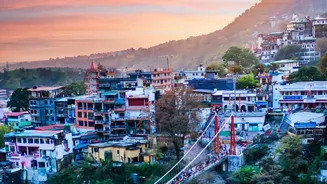
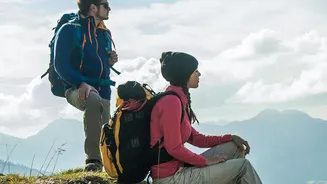
While Rishikesh and Manali have long been the go-to spots for adventure, today's thrill-seekers are venturing further afield. The desire for unique challenges and Instagram-worthy landscapes is pushing them towards less-charted territories. The stark, high-altitude desert of Spiti Valley in Himachal Pradesh and the challenging treks in Uttarakhand's Sainj Valley are becoming popular choices. In the south, the dramatic rocky landscapes of Gandikota in Andhra Pradesh, often called the 'Grand Canyon of India,' and the lush trails of the Western Ghats offer trekking, camping, and exploration away from the usual crowds. This shift is also tied to a growing interest in sustainable and eco-tourism, with travellers seeking experiences that are both exciting and environmentally conscious.
In Search of Quiet and Relaxation
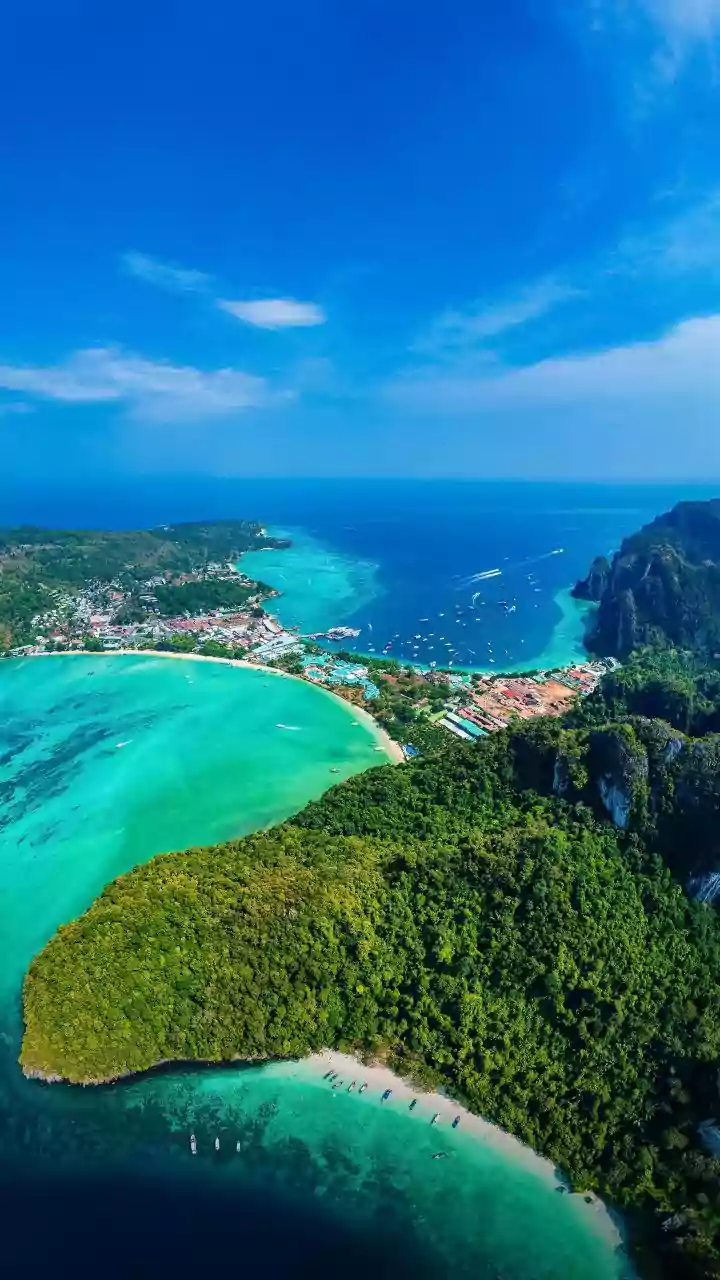
In a fast-paced, digitally connected world, the need to unplug and rejuvenate has become a primary travel motivation. Young Indians are increasingly seeking destinations that offer peace, wellness, and a chance to slow down. This has boosted the popularity of quieter coastal towns like Gokarna in Karnataka, with its pristine beaches and laid-back yoga retreats that offer an alternative to the bustle of Goa. The rise of remote work has also fuelled the 'workation' trend, where professionals combine their job with leisure for extended stays. Scenic, quiet locations with good connectivity in places like the hills of Uttarakhand or the backwaters of Kerala are becoming hubs for those looking to balance productivity with peace.