



The Potent Pull of Social Media
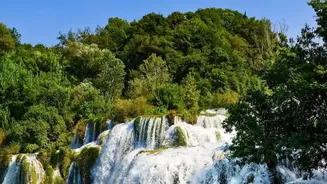
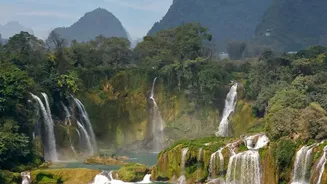
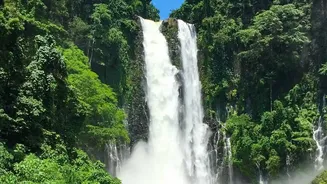
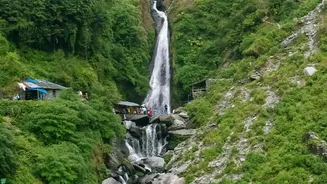
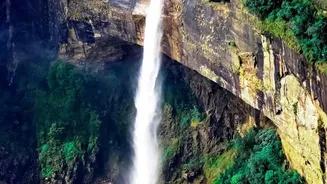
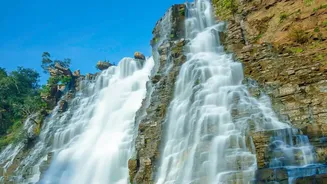
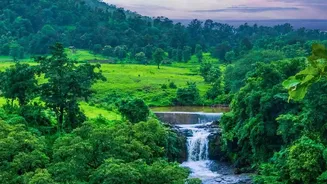
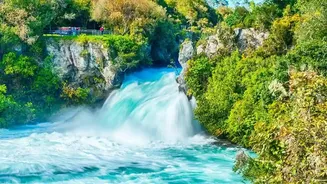
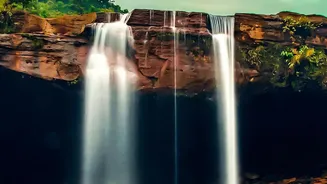
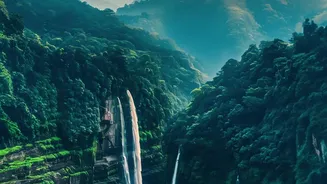
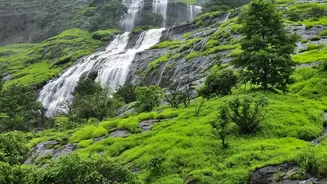
A significant driver behind the swelling crowds is the undeniable influence of social media. Platforms like Instagram and YouTube have transformed these seasonal wonders from local secrets into bucket-list destinations. The visual allure of a waterfall
in full monsoon fury—misty, dramatic, and set against a backdrop of electric green—is perfectly suited for short-form video and stunning photo galleries. This creates a powerful feedback loop: tourists post their breathtaking experiences, inspiring others to follow suit. This digital word-of-mouth has been so effective that authorities have noted a social media “craze” is partly responsible for a spike in visitors, with travellers eager to capture their own cinematic monsoon moment.
The Ideal Weekend Escape
For the millions living in Mumbai and Pune, the waterfalls of the Western Ghats offer the perfect antidote to hectic urban life. Many of the most popular spots in areas like Lonavala, Karjat, and Igatpuri are just a few hours' drive away, making them ideal for quick day trips or weekend getaways. This accessibility is a key factor in their growing popularity. Furthermore, recent travel trends indicate a shift in motivation; for many, the journey is as much about spending quality time with friends as it is about the destination itself. An easy, scenic road trip to a roaring waterfall checks all the boxes for a memorable group outing.
A Renewed Focus on Local Tourism
There's a growing appreciation for exploring one's own backyard, a trend actively encouraged by state tourism bodies. The Maharashtra Tourism Department has been promoting the state's monsoon magic, highlighting its network of waterfalls, misty hill stations, and trekking trails. By developing tourism circuits and promoting destinations beyond the usual hotspots, the state is encouraging residents and domestic travellers to discover the diverse landscapes within Maharashtra. This strategic push, combined with a general desire for authentic and sustainable travel experiences, has led to a boom in the local “rain economy,” with homestays and rural businesses now catering specifically to monsoon visitors.
An Unexpected Influx from Neighbours
In a unique development this season, visitor numbers at waterfalls in southern Maharashtra have been boosted by administrative decisions made in a neighbouring state. Authorities in Karnataka’s Belagavi district have continued a ban on entry to several local waterfalls, citing safety concerns. As a result, thousands of monsoon enthusiasts from Belagavi, Hubballi-Dharwad, and even Goa are crossing the border to visit easily accessible Maharashtrian destinations like Amboli and Tilari Ghat. This has created a spillover effect, channelling a significant flow of tourists into Maharashtra and causing a surge in activity for local businesses in the border regions.
A Necessary Word of Caution
The allure of these magnificent waterfalls comes with inherent risks, a fact starkly highlighted this season. Heavy rains can cause water levels to rise with frightening speed. In a recent incident at Zenith Waterfall near Khopoli, over 100 tourists were stranded and had to be rescued after a sudden surge in the water level. In response to past tragedies and ongoing risks, authorities have prohibited access to several popular but dangerous locations for the 2026 monsoon, including the famed Devkund Waterfall and parts of Tamhini Ghat. Despite these closures, some visitors attempt to enter restricted areas using hidden trails, often for the sake of a photo, prompting officials to issue strong warnings about the life-threatening dangers.