





Beyond Dirt: Understanding Soil as a Living System
Traditionally, soil was seen as an inert medium, a simple pantry of nutrients like nitrogen, phosphorus, and potassium for plants to consume. Modern agriculture, with its reliance on chemical fertilisers, was built on this premise. However, scientists
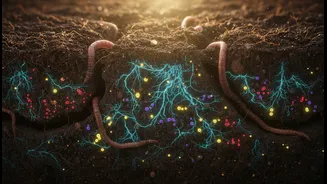
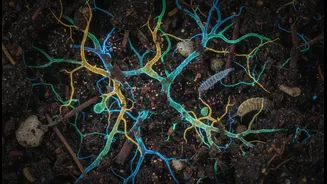
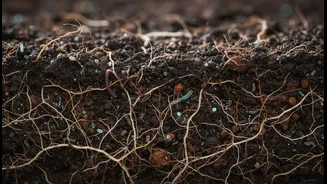
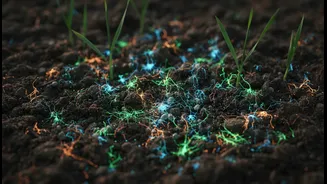
are now championing a radical shift in perspective: soil is not just dirt; it's a dynamic, living ecosystem teeming with billions of microorganisms. A single teaspoon of healthy soil can contain a billion microbes, including bacteria, fungi, and protozoa, which together form what is known as the soil microbiome. This underground world is essential for cycling nutrients, storing carbon, and even protecting plants from disease. The intensive farming practices of recent decades, focused solely on chemical inputs, have often disrupted these vital functions, leading to soil degradation.
The Microbial Workforce: Nature's Tiny Farmhands
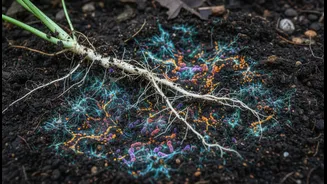
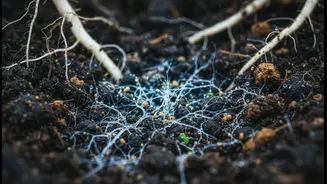
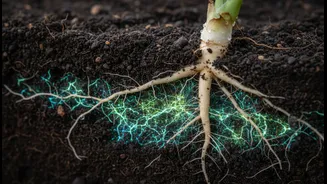
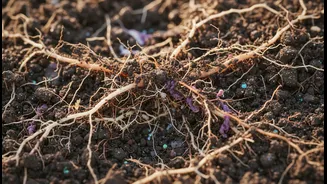
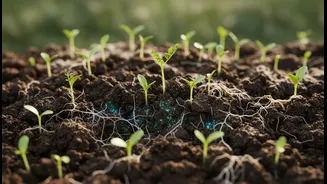
The latest research highlights the symbiotic relationship between plants and these soil microbes. Think of it like the human gut microbiome, but for plants. This microbial workforce performs critical jobs that synthetic inputs cannot replicate. Beneficial bacteria and fungi form partnerships with plant roots, helping them absorb water and unlock essential nutrients from the soil. They produce natural compounds that stimulate plant growth and strengthen their immune systems. Some microbes act as bodyguards, suppressing harmful pathogens and reducing the need for chemical pesticides. This intricate web of life creates a resilient environment where crops are better equipped to handle stresses like drought and disease, a critical advantage in the face of climate change.
From Lab to Land: The Rise of Regenerative Agriculture
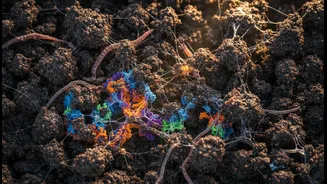
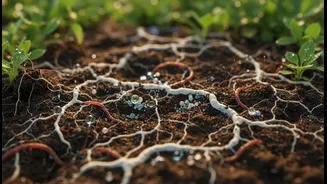
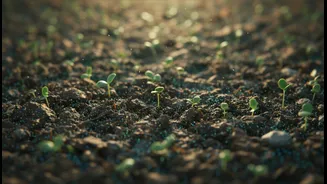
This new understanding of soil ecosystems is the scientific backbone of regenerative agriculture. This approach moves away from fighting nature and toward working with it. Practices like no-till farming, planting cover crops, and rotating diverse crops are designed to feed and protect the soil microbiome. No-till methods minimise physical disturbance, preserving the delicate fungal networks that help structure the soil and retain water. Cover crops, planted between main growing seasons, prevent erosion, suppress weeds, and provide a constant source of food (carbon) for soil organisms. Research shows these practices increase soil organic matter, improve water infiltration during heavy rains, and boost the soil's ability to hold moisture during dry spells. This ultimately leads to more stable yields and reduced reliance on costly fertilisers and irrigation.
An Indian Imperative for Healthier Soils
For India, with its vast agricultural sector and millions of smallholder farmers, the implications of this research are immense. Decades of intensive farming to ensure food security have taken a toll on soil health in many regions. Embracing a soil-first approach offers a path toward greater resilience and profitability. Healthier soils can produce better harvests on small plots of land, making farmers less vulnerable to unpredictable weather. By nurturing the soil's natural fertility, farmers can reduce their dependence on expensive synthetic fertilisers, a significant economic benefit. Furthermore, healthy soils rich in organic matter are powerful carbon sinks, meaning they draw down carbon dioxide from the atmosphere, contributing to climate change mitigation efforts. This makes soil health not just an agricultural issue, but a national environmental priority.
The Future Is Under Our Feet
The science is clear: the future of farming is intertwined with the health of its foundational ecosystem. Emerging technologies are making it easier to understand this complex world. Advances in DNA sequencing and AI are allowing researchers to map soil microbiomes and identify which microbes are present and what functions they perform. This could lead to precision agriculture where farmers use targeted microbial inoculants, or bio-fertilisers, to address specific soil deficiencies or boost crop resilience. Recent studies are even exploring how specific minerals in the soil, like iron oxides, interact with microbial life to lock away carbon for the long term. This 'underground revolution' represents a pivotal move towards an agriculture that is not only productive but also regenerative and truly sustainable.