



The Science of a Satisfying Crunch
That delightful crunch is more than just a sound; it's a texture that signals deliciousness. Crispiness is created when high heat, like in an oven or deep fryer, rapidly evaporates moisture from the surface of a food. This process dehydrates the outer
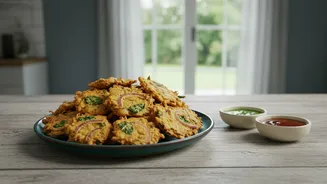
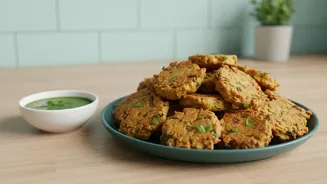
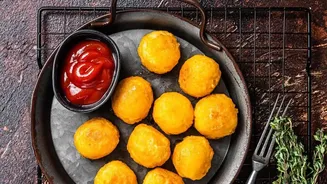
layer, causing starches and proteins to form a rigid, brittle structure full of tiny air pockets. The magic is in the contrast: a dry, crunchy exterior protecting a tender, moist interior. This delicate balance is what makes fried chicken, pakoras, or french fries so irresistible. But this perfect state is temporary, and the countdown to sogginess begins the second the food leaves the heat.
The Main Culprit: Moisture on the Move
The number one enemy of crispiness is moisture. After cooking, the inside of your food is still steamy and full of water, while the outside is very dry. Nature doesn't like this imbalance. As a result, a process called moisture migration begins. Water from the moist interior naturally travels outward to rehydrate the dry, crispy crust. At the same time, as the hot food cools, steam rises. If the food is on a flat plate or in a closed container, that steam has nowhere to go. It condenses into water droplets that settle back onto the surface, turning that once-crispy coating into a soft, soggy layer.
Starch Retrogradation: A Tale of Molecules
Beyond simple moisture, a more complex process is also at play, especially in starchy foods like potatoes and breaded coatings. During cooking, starch granules absorb water and swell up in a process called gelatinization. As the food cools, these swollen starch molecules try to return to their original, more organized crystalline structure. This process is known as starch retrogradation. This re-crystallization pushes water out of the starch molecules and toward the surface, contributing to the loss of crispiness and creating a texture that can be described as stale or tough. It’s the same reason why bread gets hard and stale as it sits out.
How to Preserve the Crunch
While you can't stop science, you can certainly slow it down. The key is to manage moisture and air circulation. Instead of placing freshly fried or roasted foods on a paper towel-lined plate, transfer them to a wire cooling rack set over a baking sheet. This allows air to circulate all around the food, letting steam escape instead of getting trapped underneath. This simple technique, used by restaurants, helps the excess oil drip off while preventing the bottom from steaming itself into a soggy mess. If you need to keep food warm, place the entire rack and baking sheet setup in a low oven (around 90-100°C) to maintain heat and crispiness without further cooking. And whatever you do, avoid covering hot, crispy foods tightly, as this creates a steam room that is guaranteed to ruin your hard work.