







Which Areas Are on High Alert?
The impact of the torrential downpour has been most severe in Arunachal Pradesh, with districts like Keyi Panyor, Lower Siang, and East Siang facing widespread damage to homes and infrastructure. [5, 8] Tragically, these events have also led to loss of life.
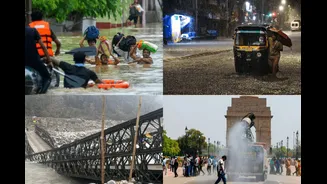
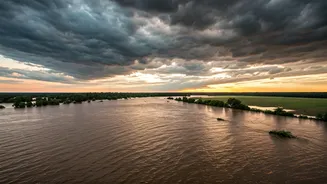
[8] The situation in Arunachal Pradesh has a direct and immediate impact on neighbouring Assam. A major landslide in Arunachal's Lower Siang district has blocked the Siji River, creating an artificial dam. [12, 24] This poses a significant threat of a sudden, powerful flash flood downstream if the blockage gives way. [24] Consequently, a high alert has been issued for several downstream districts in Assam, including Dhemaji, Lakhimpur, Biswanath, and Sonitpur. [7, 25] Assam's first wave of floods has already affected over 22,000 people across six districts, with Dhemaji being the worst-hit. [17, 18, 20] The rising waters have submerged villages, damaged nearly 1,700 hectares of crops, and led to the collapse of a railway bridge in Dhemaji, disrupting train services. [5, 18]
What 'Activated Protocols' Mean for You
When you hear that 'flash flood protocols' have been activated, it signifies a coordinated, multi-level government response to the disaster. It is not just an advisory but a series of concrete actions being taken to protect lives and property. State governments, under leaders like Assam Chief Minister Himanta Biswa Sarma, are monitoring the situation at the highest level. [7, 23] Teams from the National Disaster Response Force (NDRF) and State Disaster Response Force (SDRF) have been placed on standby for rapid deployment to conduct rescue and relief operations. [26, 30] District administrations in the affected and at-risk zones are tasked with maintaining close vigilance, monitoring river levels, and inspecting vulnerable points like embankments. [23, 29] Crucially, this includes issuing direct warnings to the public, advising residents in low-lying areas to remain vigilant and be prepared to move to safer locations if instructed by officials. [27, 29]
Understanding Flash Floods
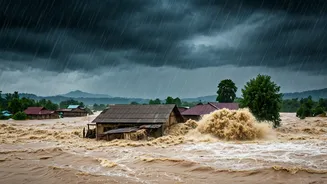
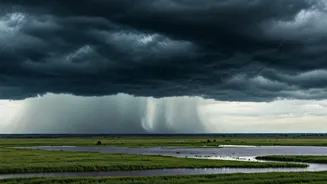
Unlike river floods that build up over days, flash floods are dangerously swift and sudden. They are defined as floods that occur within six hours of a trigger, which could be intense rainfall, a cloudburst, or a dam failure. [32] Their speed and unpredictability leave very little time for preparation and evacuation, making them particularly lethal. [15] The water can rise rapidly, turning dry creek beds or roads into raging torrents in minutes. The force of the moving water is immense; just two feet of fast-moving floodwater can sweep away a large car. [16] In hilly regions like the Northeast, the danger is compounded by the risk of landslides, which can block rivers and create temporary dams that, upon bursting, release a catastrophic wall of water downstream. [12, 24]
Your Immediate Safety Checklist
If you are in an area under a flood warning, your safety is the top priority. Do not wait until the water is at your doorstep. Immediately move to higher ground if you are in a low-lying area or if instructed to do so by authorities. [15] Avoid walking or driving through floodwaters at all costs; the depth is often deceptive, and the current can be deadly. [6, 9] Stay away from electric poles and fallen power lines to prevent electrocution. [16] Keep your mobile phone charged and listen to official news sources on the radio or TV for the latest updates and evacuation routes. [15, 16] It's also wise to prepare an emergency kit containing essentials like a flashlight, extra batteries, a first-aid kit, dry food, and safe drinking water. [6]
After the Floodwaters Recede
The danger does not end when the water level drops. Before re-entering your home, be sure the structure is safe and has not been compromised. [6] Be cautious of debris, broken glass, and potential hazards like snakes, which often seek shelter in homes during floods. [9] Do not use any electrical appliances until they have been checked by a professional, and ensure the main power is off before you begin cleaning. [16] Floodwater is often contaminated with sewage and chemicals, so avoid using tap water until authorities declare it safe. [16] Discard any food that has come into contact with floodwaters. The recovery process requires patience and caution to ensure your family's continued health and safety.