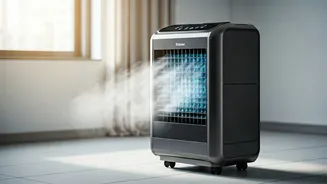






1. Advanced Cooling Pads Are Key
The heart of any air cooler is its cooling medium. For decades, the standard was aspen wood wool—cheap and effective, but prone to quick deterioration and less efficient over time. Today, the gold standard is honeycomb cooling pads. Named for their hexagonal
structure, these pads are made from a durable cellulose material. Their design allows them to hold more water for longer periods, which translates directly into more effective and consistent evaporation. This results in cooler air being pushed into the room. Honeycomb pads also last significantly longer than aspen, often for several seasons, making them a more cost-effective and low-maintenance choice for the long, grueling Indian summer. When shopping, always check the type and thickness of the pads; it’s a non-negotiable for superior performance.
2. Humidity Control For Coastal Comfort
A common complaint about air coolers, especially in cities like Mumbai, Chennai, or Kolkata, is that they make the air feel damp and sticky. This happens because traditional coolers work by adding moisture to the air—a process that works brilliantly in dry heat (like in Delhi or Rajasthan) but can be counterproductive in humid conditions. This is where functional coolers stand out. Many modern models now come with a dedicated humidity control feature. This function allows you to adjust the amount of water flowing over the cooling pads. In high-humidity weather, you can reduce the water flow, so the cooler functions more like a powerful fan, circulating air without adding extra moisture. Some high-end models even have built-in hygrometers that automatically adjust the cooling mode based on the room's ambient humidity, ensuring you get comfortable cooling, not just a muggy breeze.
3. Inverter Compatibility For Uninterrupted Relief
Power cuts and voltage fluctuations are an unfortunate reality during peak summer months when the grid is under strain. A cooler that stops working when the power goes out is of little use. This is why inverter compatibility has become a crucial feature. Coolers with this technology are designed with low-power-draw motors and pumps, allowing them to run efficiently on a standard home inverter for hours. This ensures you and your family have uninterrupted relief even during a blackout. Beyond power-cut preparedness, this efficiency translates into lower electricity bills. An inverter-compatible cooler consumes significantly less power than older models or even some non-inverter air conditioners, making it a much more economical choice for all-day, all-season use.
4. Multi-Stage Filters For Cleaner Air
With rising concerns about air quality, especially in urban India, a modern cooler should do more than just cool. Many functional models are now equipped with multi-stage filtration systems to improve indoor air quality. The first line of defence is usually a basic dust filter, which prevents large particles from entering the unit and circulating in your room. More advanced coolers go further, incorporating PM2.5 or even allergy filters. These finer filters can trap microscopic pollutants, allergens, and bacteria that are drawn in from outside. This feature effectively turns your cooler into a part-time air purifier, ensuring the air you breathe is not only cool but also cleaner and healthier. For families with children, elderly members, or anyone with respiratory issues, this is an invaluable feature.
5. Smart Features That Enhance Usability
The difference between a good product and a great one often lies in the details. Functional coolers are designed with user convenience in mind. Look for a large water tank (40 litres or more) to minimise the hassle of frequent refills, especially for overnight use. An ice chamber is another simple but effective feature; adding ice to a dedicated compartment provides an extra blast of cold air on particularly scorching days. Furthermore, features like remote controls, multiple fan speeds, and sleep timers add a layer of convenience that you’ll appreciate daily. Finally, look for an auto-drain function. This allows for easy and hygienic draining of old water from the tank, preventing the buildup of stagnant water and simplifying end-of-season maintenance.