


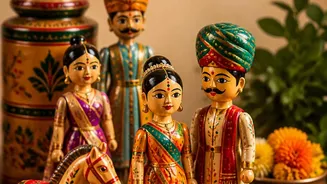
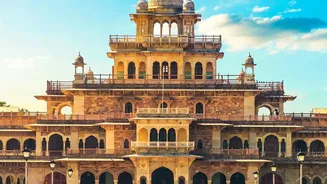
Beyond the grand palaces and historic forts, the true soul of Rajasthan lives in the hands of its artisans. For travellers seeking more than a sightseeing tour, a new kind of journey awaits: an immersive dive into the region's living crafts.
An Invitation to Create
Imagine spending
not just days, but dedicated time in the workshops of master craftsmen, learning skills passed down through generations. This is the promise of a craft-focused tour in Rajasthan, an experience designed for travellers who want to connect with the culture on a deeper level. Itineraries are emerging that trade crowded monuments for intimate sessions in artisan villages, offering hands-on workshops that last from a few hours to several days. Unlike a typical tour, these experiences centre on participation, not just observation. You are not just a tourist; you become a student of ancient trades, working alongside the families who are the custodians of Rajasthan’s artistic heritage. This shift caters to a growing desire for authentic, sustainable travel, where the focus is on human connection and the preservation of culture.
A Palette of Ancient Skills
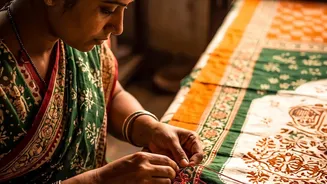
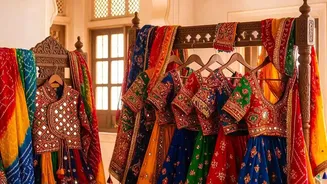
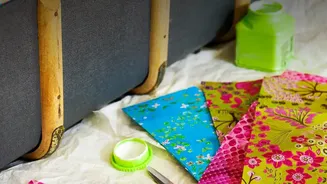
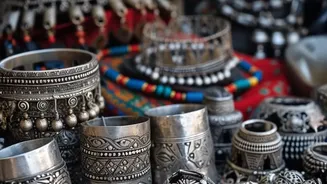
Rajasthan’s craft landscape is remarkably diverse, with different regions specialising in distinct art forms. In villages surrounding Jaipur like Bagru and Sanganer, you can learn the intricate art of block printing. Artisans guide you through the process of carving wooden blocks, mixing natural dyes, and stamping patterns onto fabric. Jaipur is also the heart of Blue Pottery, a unique Persian-influenced craft that uses a quartz-based dough instead of traditional clay. Workshops allow you to shape the material and paint the iconic cobalt blue motifs yourself. Further afield, Udaipur is renowned for its delicate miniature paintings, while Jodhpur is a hub for leatherwork and dhurrie weaving. Other available workshops can include tie-dye (Bandhani), jewellery making, and terracotta pottery.
A Day in a Craft Village
A typical day on a craft-focused itinerary is a blend of learning and discovery. Mornings are often dedicated to workshop sessions. You might spend hours learning to apply layers of colour to a textile, guided by a Chhipa community printer whose family has practised the craft for centuries. The atmosphere is unhurried and authentic; you are in a real, working studio, not a tourist performance. Afternoons could involve exploring the local village, seeing how crafts are integrated into daily life, or visiting other local artisans specialising in different skills, such as bangle making or embroidery. Evenings might feature a home-cooked Rajasthani meal with your host family, sharing stories and gaining insight into their lives and the cultural significance behind their art. These experiences transform a simple souvenir into a cherished memory connected to a person and a place.
The Masters and Their Stories
The true highlight of these tours is the opportunity to interact directly with the artisans. Many are award-winning masters who have dedicated their lives to preserving a dying art. For example, some Blue Pottery workshops are run by families credited with reviving the craft after it nearly disappeared in the 20th century. They share not just the technical steps, but the history and meaning behind their work. You learn why certain motifs are used, how natural dyes are sourced from local plants, and the challenges they face from mass-produced imitations. By participating, travellers contribute directly to the livelihood of these communities, helping to ensure that these invaluable skills are not lost. It’s a form of sustainable tourism that empowers artisans and fosters genuine cross-cultural exchange.
Planning Your Creative Escape
Numerous tour operators and independent workshops now offer craft-based experiences across Rajasthan. A 'five-day' trip can be a flexible framework, often focusing on a specific craft circuit, like the textile trail around Jaipur and Bagru, or a multi-city tour covering different skills. Some organisations, like Anaprinta in Bagru, offer immersive courses ranging from a single day to a full week. Others, like the Jaipur Artisan Collective, focus on connecting travellers with a network of vetted artisans. When booking, look for workshops that promise hands-on participation and are located in authentic craft hubs. The best time to visit is during the cooler, drier months from October to March. No prior artistic skill is necessary—only a curiosity and a willingness to learn.