


Understanding the Power of a Breath
Pranayama is a Sanskrit term that translates to 'extension of the life force'. It's much more than just deep breathing; it's the conscious and controlled regulation of your breath. You intentionally guide the timing, duration, and rhythm of every inhale
and exhale. This practice is central to yoga, but its benefits stand strong on their own. The core idea is that our breath and mind are deeply connected. When we're stressed, our breathing becomes fast and shallow, signalling danger to our nervous system. By deliberately slowing our breath, we can reverse this process and tell our body it's safe to relax.
The Science of Calm
Experts recommend pranayama because it directly influences our autonomic nervous system, the body's internal control centre. This system has two main branches: the sympathetic ('fight-or-flight') and the parasympathetic ('rest-and-digest'). Chronic stress keeps the 'fight-or-flight' response overactive. Slow, controlled breathing, however, activates the vagus nerve, which is a primary component of the 'rest-and-digest' system. This activation triggers a relaxation cascade: your heart rate slows, blood pressure may decrease, and your brain shifts into a calmer state. Scientific studies have shown that this shift helps reduce levels of the stress hormone cortisol, leading to decreased anxiety and a greater sense of well-being.
A Simple Practice for Restful Sleep
One of the most effective techniques for sleep is Bhramari, or the 'Humming Bee Breath'. The gentle vibration it creates is deeply soothing to the nervous system. It’s recommended for those who suffer from anxiety or a busy mind before bed. How to do it: Sit comfortably with your eyes closed. Take a deep breath in through your nose. As you exhale, keep your mouth closed and make a low, steady humming sound like a bee for the entire duration of the breath. You can gently plug your ears with your index fingers to enhance the internal vibration. Repeat for 6 to 8 rounds and notice the immediate sense of quiet that follows.
Finding Balance During the Day
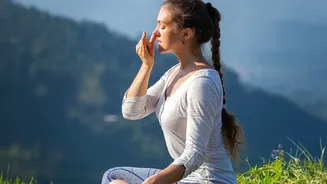
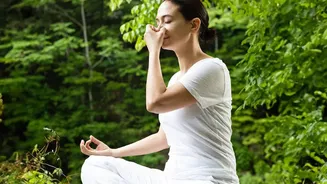
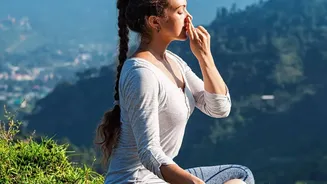
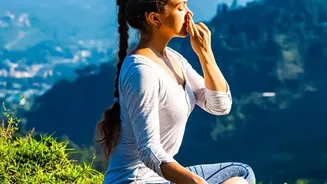
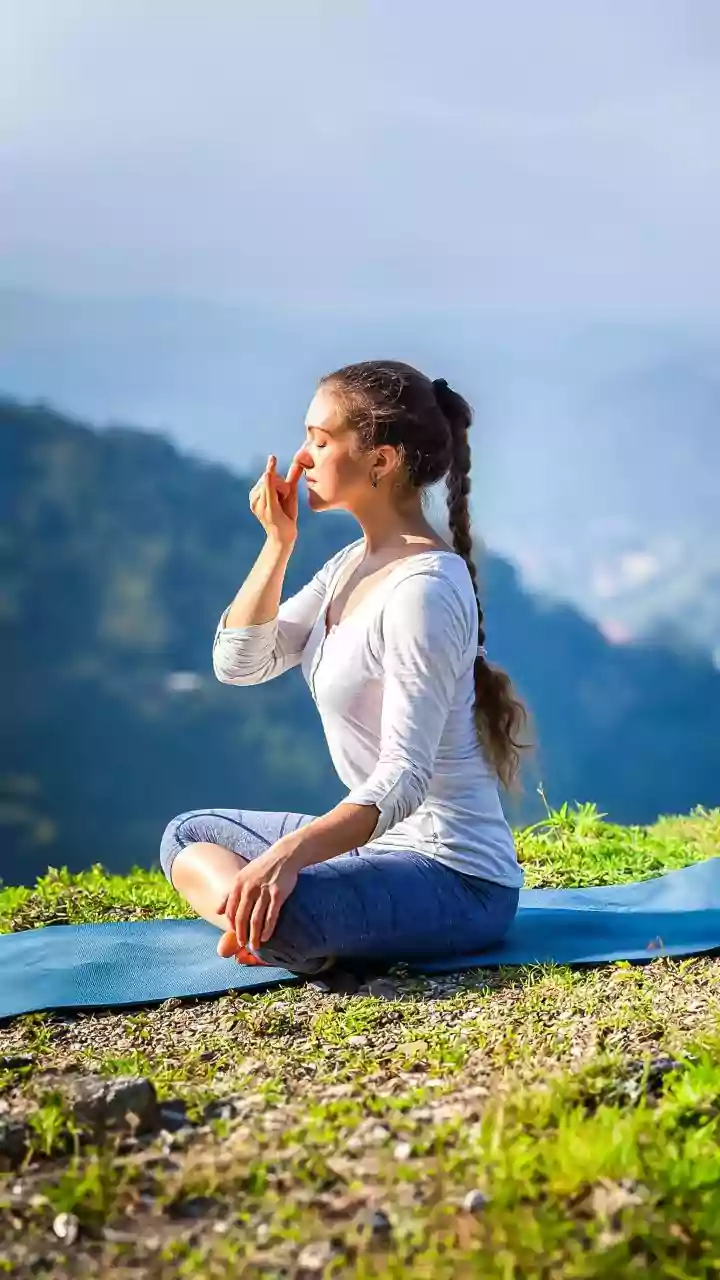
For maintaining emotional equilibrium throughout the day, Anulom Vilom, or 'Alternate Nostril Breathing', is highly recommended. This practice is known to balance the two hemispheres of the brain, promoting mental clarity, reducing anxiety, and stabilising your energy. How to do it: Sit in a comfortable position. Fold the index and middle finger of your right hand. Use your thumb to close your right nostril and inhale slowly through your left nostril. Then, close your left nostril with your ring finger, release your thumb, and exhale slowly through your right nostril. Next, inhale through the right nostril, close it with your thumb, and exhale through the left. This completes one round. Start with five rounds and build up gradually.
Making Pranayama a Daily Habit
The power of pranayama lies in consistency. The good news is that you don't need a lot of time to see benefits. Starting with just five minutes a day can make a significant difference. You could practice a few rounds of Anulom Vilom in the morning to set a calm tone for the day. Take a two-minute break midday to practice a few slow, extended exhales. In the evening, use Bhramari to unwind before getting into bed. By integrating these small moments of conscious breathing into your routine, you build resilience against stress and create the conditions for a more balanced emotional life and deeper, more restorative sleep.