



Beyond the Buzzword: What Is Low-Waste Beauty?
At its core, low-waste beauty is about minimizing the environmental footprint of our personal care routines. For years, the industry has been a major contributor to packaging waste, with over 120 billion units of packaging produced annually, much of which
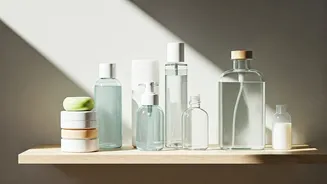
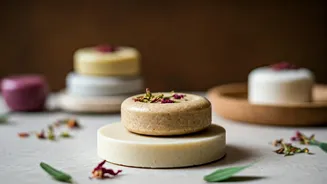
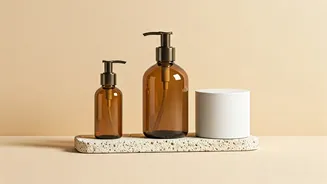
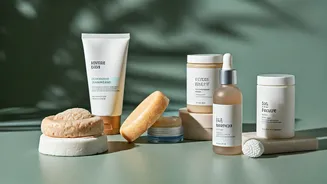
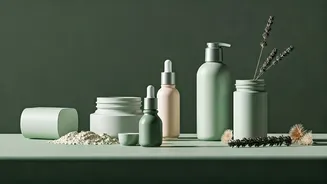
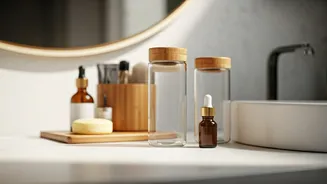
isn't recyclable. But the new wave of low-waste beauty is more than just using less plastic. It’s a broader philosophy that champions products in refillable, reusable, or compostable packaging, as well as formulations that are more concentrated and efficient. This includes everything from solid shampoo bars that eliminate the bottle altogether to refillable deodorant cases and makeup palettes. The goal is to reduce what ends up in a landfill by making smarter, more conscious choices from the start.
The 'Utility' Factor: Why Now?
The current buzz around low-waste beauty is less about environmental activism and more about sheer practicality. Consumers are increasingly looking for products that are both cost-effective and time-efficient. This shift was accelerated by the pandemic, which encouraged many to simplify their routines and prioritize quality over quantity. There's also a growing desire for products that are sustainable without sacrificing performance. As a result, brands are innovating with formulas that work harder, last longer, and reduce clutter. This intersection of economic sense, convenience, and eco-consciousness is what defines its current "utility moment."
The Practical Perks: Saving Money, Space, and Time
The most compelling argument for low-waste beauty is its tangible benefits. Refillable products are a prime example; while the initial purchase of a durable container might cost more, the refills are consistently cheaper. This model not only saves money in the long run but also fosters brand loyalty. Furthermore, solid and multi-use products are a minimalist’s dream. A single shampoo bar can outlast two to three bottles of its liquid counterpart, and a multi-purpose balm for lips, cheeks, and eyes can replace three separate items in a makeup bag. This declutters bathroom shelves and travel bags, making routines simpler and more organized.
The Rise of Waterless Wonders
A key innovation in low-waste beauty is the move towards waterless, or anhydrous, formulas. Traditional products can contain up to 90% water, which acts as a filler. By removing water, products become highly concentrated, meaning a little goes a long way. These waterless formats—like cleansing balms, powder-to-foam cleansers, and solid serum bars—offer more potent active ingredients. They also have a longer shelf life because the absence of water inhibits bacterial growth, reducing the need for synthetic preservatives. For travelers, solid products are a huge plus, as they are leak-proof and not subject to airline liquid restrictions.
Embracing the Multi-Use Marvel
The ultimate expression of utility in beauty is the multi-use product. These are products designed to perform several functions, saving consumers time, money, and space. Think of a tinted SPF that provides hydration, sun protection, and light coverage, or a versatile colour stick that works as a blush, eyeshadow, and lipstick. This approach not only streamlines a routine but also reduces consumption and waste. Brands are increasingly creating these hybrid products that blend skincare benefits with makeup, such as serums that also act as primers. This trend caters to a modern lifestyle where efficiency is a luxury in itself.
How to Get Started Without the Overwhelm
Adopting a low-waste routine doesn't require a complete overhaul overnight. The easiest way to begin is by making small, manageable swaps. Start by using up the products you already have. When it's time to replace something, consider a low-waste alternative. Swap your single-use makeup wipes for a reusable microfiber cloth, or trade your plastic shampoo bottle for a solid shampoo bar. Another simple step is to look for refillable options for products you use frequently, like hand soap, deodorant, or even foundation. The goal isn't perfection but progress, building a routine that feels both sustainable and enjoyable.