






The Delicious Dilemma
For generations, the nutritional value of Indian food was intuitive. But as lifestyles change and health awareness grows, many find themselves struggling to fit traditional meals into modern diet plans. The core problem is complexity; unlike a simple
salad, a dish like dal makhani or biryani involves numerous ingredients and cooking methods that make precise calorie counting difficult. Western-focused health apps often fail to recognise or accurately log Indian meals, turning 'dal' into 'lentil soup' and missing nuances entirely. This is compounded by the liberal use of oils, ghee, and sugar in many preparations, where a single extra tablespoon of oil can add over 100 calories without you even noticing.
Embrace Traditional Wisdom
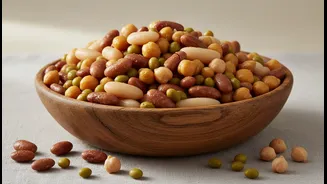
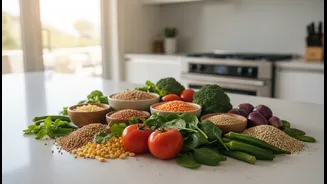
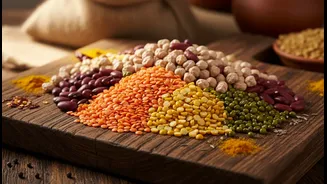
Before you give up on your favourite dishes, it's important to recognise that the traditional Indian diet is inherently healthy. It is rich in plant-based proteins from lentils and legumes, fibre from whole grains, and a vast array of vitamins and minerals from vegetables. The emphasis on fermented foods like yogurt (dahi), idli, and dosa promotes gut health by providing beneficial probiotics. Spices like turmeric, ginger, and cumin are not just for flavour; they are packed with anti-inflammatory and antioxidant properties that support overall well-being. The classic Indian 'thali' is a perfect example of a balanced meal, designed to include protein, carbohydrates, vegetables, and fats in one platter.
How Technology Is Catching Up
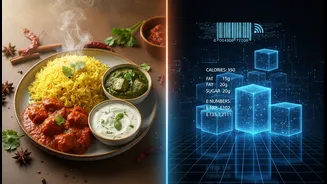
The good news is that the health-tech industry is finally adapting to the Indian context. A new generation of apps is being developed with extensive databases of Indian foods, from regional specialities to homemade recipes. Many now feature AI-powered photo logging that can recognise a plate of poha or a bowl of sambar, providing a reasonably accurate nutritional breakdown. Some apps, like HealthifyMe, boast massive Indian food databases, while others, like Hint, are built using the National Institute of Nutrition's official data for greater accuracy. These tools take the guesswork out of calorie counting, allowing users to log meals with far more precision than was previously possible with international apps.
Making Smart Choices at Home
Technology is a great aid, but long-term success comes from building sustainable habits in the kitchen. This doesn't mean sacrificing flavour. Simple swaps can make a huge difference. For example, choose whole wheat roti over naan, and opt for baking or grilling instead of deep-frying snacks like samosas. When making curries, be mindful of the oil and cream; often, slow-cooking lentils can create a creamy texture without the added fat. Bulking up dishes with more vegetables or lentils makes them more filling and nutritious. For families, meal planning is a powerful tool to reduce stress and ensure consistency. Creating a weekly structure—like having dal on Mondays, a chicken dish on Wednesdays, and a vegetable pulao on Fridays—simplifies daily decisions and shopping.
Navigating Restaurant Meals
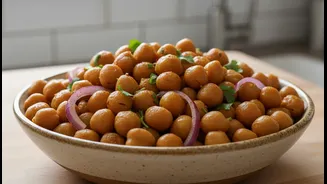
Eating out can feel like a minefield for the diet-conscious, as restaurant food is often prepared with more fat and sugar for enhanced flavour. A practical rule is to assume a restaurant dish has 30-50% more calories than its homemade equivalent. When ordering, look for tandoori-style grilled items, which use a clay oven and minimal oil. Lentil-based dals and chickpea dishes like chana masala are excellent, protein-rich choices. Be wary of creamy, cashew-based gravies, often found in dishes like korma or butter chicken. Instead, opt for tomato or onion-based curries. Asking for whole wheat roti or brown rice can also significantly improve the nutritional profile of your meal.