





The New Growth Frontier: Beyond the Metros
Major food delivery platforms like Zomato and Swiggy have largely conquered India's biggest cities. With markets in Delhi, Mumbai, and Bengaluru becoming saturated, these companies are aggressively expanding into Tier-2 and Tier-3 cities to find their
next 100 million users. This strategic pivot is driven by simple economics: the metros are established, but smaller urban centres represent a massive, untapped opportunity. Rising incomes, cheap data, and the spread of smartphones have made consumers in cities like Lucknow, Patna, Dehradun, and Mysore more accessible than ever. For these platforms, expanding into these emerging markets is no longer a choice but a necessity for future growth and profitability.
A Menu That Feels Like Home
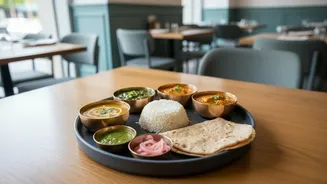
A one-size-fits-all menu doesn't work in a country as diverse as India. Platforms have learned that to win over customers in non-metro areas, they must cater to hyperlocal tastes. This means moving beyond generic pizzas and burgers to feature authentic regional specialties that resonate with local palates. Zomato, for example, actively promotes regional dishes during local festivals, like Sadya meals during Onam in Kerala. This localization strategy extends to partnering with small, family-run eateries and home kitchens, giving them a digital platform to reach a wider audience. By embracing India's culinary diversity, these apps are creating a more authentic and appealing service that reflects the true tastes of each region.
The Undeniable Pull of Affordability
In price-sensitive markets, affordability is king. The average order value in Tier-2 and Tier-3 cities is naturally lower than in metros, forcing platforms to innovate on price. Swiggy has rolled out several initiatives to address this, including a '99 Store' with single-portion meals at a flat, budget-friendly price point and a separate app called 'Toing' dedicated to affordable meals. These offerings are specifically designed for price-conscious consumers, like students and young professionals, who order frequently. The strategy is to drive volume with smaller, more frequent orders. Both Zomato and Swiggy are finding that while customers in smaller cities may spend less per order, their loyalty can be won with consistent value, making affordability a key pillar of their expansion strategy.
Empowering Small Town Eateries
The expansion of food delivery apps is having a profound impact on local economies. For thousands of small restaurants in non-metro cities, partnering with these platforms has been a game-changer. Eateries that once relied on word-of-mouth can now reach thousands of new customers, leading to significant revenue growth. While high commission rates remain a point of contention across the industry, many small business owners see it as a worthwhile trade-off for the increased visibility and access to a delivery fleet without the upfront investment. This partnership allows local chefs and entrepreneurs to thrive in the digital economy, turning their neighbourhood kitchens into hubs that serve a much wider area. Platforms are also providing data-driven insights to help these restaurants understand demand and optimize their menus.