








What Are Movement Alarms?
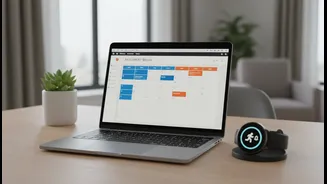
At its core, a movement alarm is a digital reminder to get up and move. These “nudges” come in many forms, from a simple buzz on a smartwatch or fitness tracker to a pop-up on your computer screen. The prompt is straightforward: it's time to stand, stretch,
or take a short walk. The concept is rooted in behavioral science, designed to interrupt long periods of sedentary behavior, which have become the default in many professional settings. These aren't to be confused with 'man down' alarms used in high-risk industrial jobs, which detect falls or a lack of motion for safety emergencies. Instead, office-based movement alarms are a wellness tool, aiming to gently rewire our daily habits away from prolonged, unhealthy stillness.
The High Cost of Sitting Still
The push for more movement is backed by a mountain of evidence outlining the dangers of a sedentary lifestyle, often dubbed the “new smoking.” Prolonged sitting is linked to a higher risk of developing type 2 diabetes, cardiovascular disease, and certain types of cancer. It can also lead to musculoskeletal issues like chronic neck and lower back pain, as well as tight hip flexors. Beyond the physical toll, studies show a connection between spending over six hours a day seated and an increased risk of anxiety and depression. The human body is built for motion; our cardiovascular and metabolic systems function more effectively when we are active. When we sit for extended periods, our digestion becomes less efficient, our muscles can weaken, and our circulation slows.
A Nudge in the Right Direction?
Proponents argue that movement alarms are a powerful tool for combating these risks. Short, regular movement breaks—sometimes called “exercise snacks”—can improve circulation, boost energy levels, and even enhance focus and productivity. Engaging in light activity releases endorphins, which can reduce stress and improve mood. One recent study found that five-minute movement breaks every hour offered the best balance of improving well-being without hurting work performance. Employees who take regular breaks often report feeling less fatigue and more engaged with their work. For many, the simple act of being prompted to stand can break the inertia of a long work session and prevent the discomfort and stiffness that comes from being locked in one position.
Alert Fatigue and The Annoyance Factor
However, the solution isn't without its critics. For many employees, another digital notification is the last thing they need. These alarms can disrupt periods of deep work, break concentration, and ultimately become an source of annoyance. This can lead to “alert fatigue,” where the reminders are simply ignored, defeating their purpose entirely. Furthermore, there's a risk that these tools can feel like a form of digital micromanagement, adding a layer of pressure to an already stressful workday. Some experts caution that while nudges can be effective, they are not a one-size-fits-all solution; what one person finds helpful, another might find intrusive. The effectiveness often depends on individual personality and work style.
Beyond the Buzz: A Holistic Approach
Ultimately, experts suggest that while movement alarms can be a useful starting point, they are not a panacea. A truly healthy work environment requires a more holistic approach that goes beyond technology. Instead of just reminding people to move, companies can create a culture that encourages it. This can include promoting walking meetings, providing sit-stand desks, and designing office layouts that encourage movement. Leadership plays a key role; when managers lead by example and take active breaks themselves, it signals to employees that it’s not only acceptable but encouraged. The most effective wellness strategies are those that are integrated into the workday, making healthy choices the easiest choices.