





The Two Faces of a Wonder Fruit
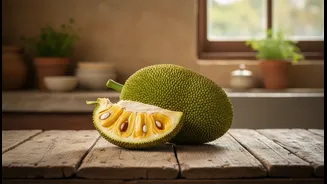
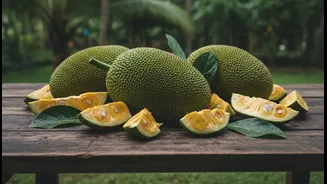
The secret to unlocking jackfruit's potential lies in understanding its dual nature. It is essentially two different ingredients depending on its ripeness. Young, green jackfruit, known as 'kathal' or 'enchor' in various parts of India, has a firm, fibrous
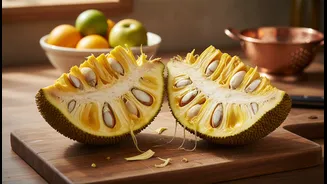
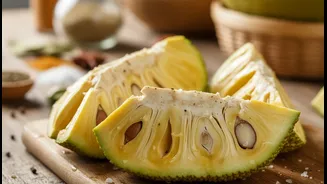
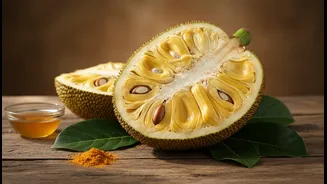
texture and a neutral taste. This makes it an incredible substitute for meat, as it readily absorbs spices and sauces. When cooked, its texture uncannily mimics that of pulled pork or shredded chicken, making it a star in savoury dishes. On the other hand, ripe jackfruit transforms entirely. The pods turn a golden yellow, becoming soft, sweet, and intensely aromatic with a flavour often described as a blend of mango, banana, and pineapple. This version is perfect for desserts, smoothies, and other sweet preparations.
From Market to Kitchen: A Prep Guide
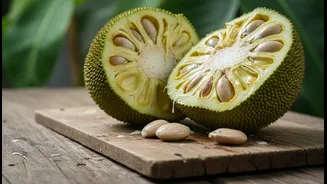
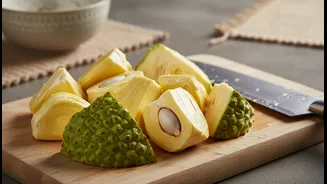
Handling a whole jackfruit can seem intimidating due to its size and sticky latex, but it’s manageable with a bit of preparation. Applying oil to your hands and knife makes the process of cutting it much cleaner. Many vendors will even peel and chop it for you. For convenience, canned green jackfruit, usually packed in brine or water, is widely available and perfect for savoury recipes. Just be sure to rinse it well before cooking to remove the briney taste. Ripe jackfruit is best enjoyed fresh, but its pods can also be found frozen or canned in syrup. The seeds are edible and nutritious too; they can be boiled or roasted and used in curries or eaten as a snack.
Savoury Creations Beyond the Curry
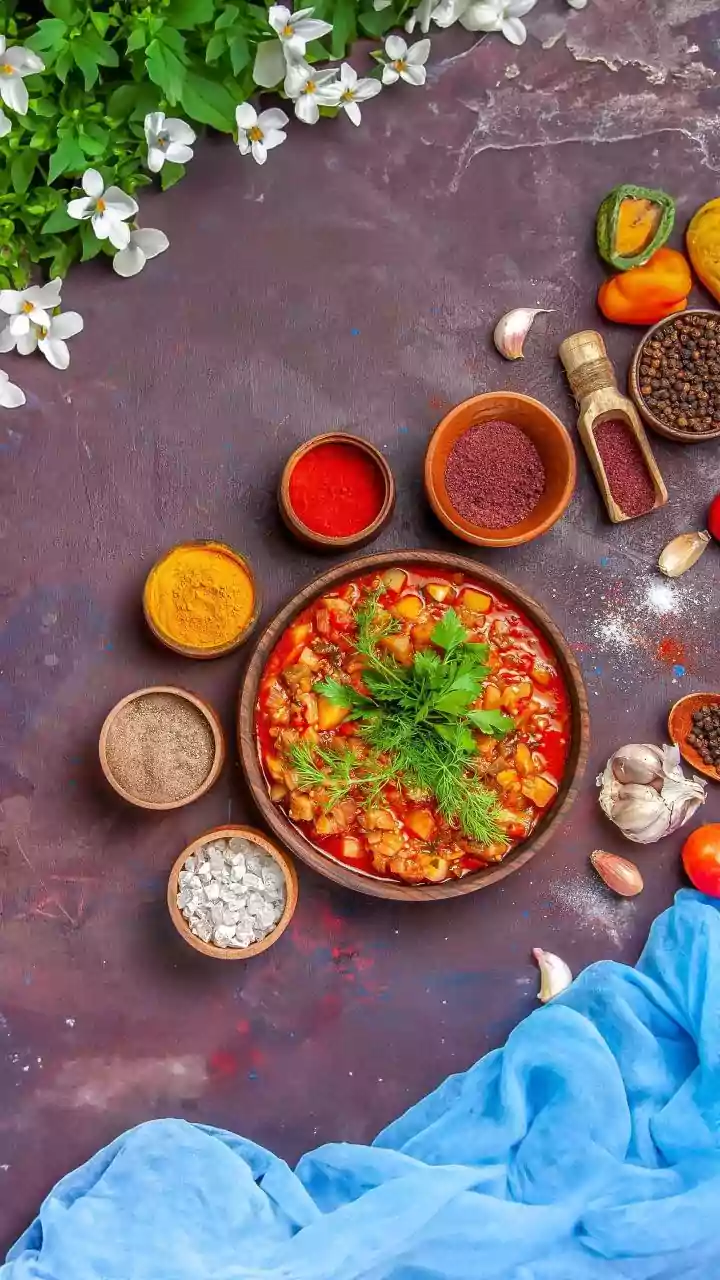
While traditional dishes like Kathal ki Sabzi, Enchorer Dalna from Bengal, and Kerala's Idichakka Thoran are beloved staples, green jackfruit's versatility invites experimentation. Its meaty texture has made it a global favourite for plant-based versions of classic comfort foods. Think of shredding cooked jackfruit and tossing it with barbecue sauce for pulled jackfruit sandwiches. It can be marinated and used as a filling for tacos, burritos, or even as a topping for nachos. Another popular creation is Kathal Biryani, where marinated jackfruit chunks are layered with fragrant rice, offering a hearty and flavourful alternative to meat-based biryanis. You can also shape minced jackfruit into koftas for a rich, creamy curry or create a simple stir-fry (palya) with coconut and spices.
The Sweet Side: Desserts and Drinks
When ripe, jackfruit’s sweet, tropical flavour shines in a variety of desserts. The soft, fragrant pods can be blended into smoothies or used to make a creamy, dairy-free ice cream with coconut milk. In South India, it's a key ingredient in traditional sweets like 'chakka pradhaman', a rich pudding made with jaggery and coconut milk, and 'chakka varattiyathu', a thick jackfruit jam or preserve. For bakers, ripe jackfruit offers exciting possibilities. It can be incorporated into batters for moist cakes, muffins, and even a tropical twist on the classic upside-down cake, where its sweetness is intensified by caramel. You can also make delicious 'chakka halwa', a simple dessert made by cooking down jackfruit puree with ghee and jaggery.
A Boost of Health and Nutrition
Beyond its culinary uses, jackfruit is a nutritional powerhouse. It is a good source of dietary fibre, which aids digestion and can help with weight management. It is also packed with essential vitamins and minerals, including Vitamin C, Vitamin B6, and potassium. The high potassium content can help regulate blood pressure, contributing to heart health. Furthermore, jackfruit is rich in antioxidants like carotenoids and flavonoids, which help protect cells from damage and reduce inflammation. Raw green jackfruit is particularly beneficial for those managing blood sugar levels due to its lower sugar content and high fibre.