



The Myth of the Eco-Warrior
For many, the idea of living sustainably conjures images of major, often inconvenient, life changes. It’s the pressure to become a zero-waste, vegan minimalist overnight. This 'eco-warrior' ideal, while noble, can feel intimidating and unattainable for
most people. The perception that climate action requires constant, difficult effort is a significant barrier to widespread adoption. When being green feels like a heroic struggle against the grain of modern life, it’s no surprise that many people feel overwhelmed or simply disengage. The problem isn’t a lack of will; it’s a design flaw in how we frame and facilitate sustainable behaviour. Doing the right thing should be easy, not an uphill battle fought every day.
Designing for the Default
This is where good design comes in. Its power lies in making the sustainable option the default, the path of least resistance. Behavioural science shows that most of our decisions are automatic, not conscious. Smart designers use this to our planet’s advantage. Think of a smart thermostat that learns your routine and optimises heating and cooling, saving energy without you lifting a finger. Or consider the evolution of the aluminium can, which now uses a fraction of the material it did in the 1950s, a design change that saves enormous resources but is invisible to the consumer. By making the green choice the easy choice—or even the only choice—design removes the need for heroic effort and turns sustainable action into a simple, unconscious habit.
From Friction to Flow
Good design works by reducing 'friction'—the small obstacles that prevent us from acting. A confusing recycling system with multiple bins and unclear rules is high-friction; people will give up and toss everything in the trash. A single-stream recycling bin placed right next to the general waste bin is low-friction. In India, architects are increasingly designing buildings that respond to the local climate, using large windows for natural light and traditional techniques for ventilation, reducing the need for artificial lighting and air conditioning. This isn't just about being eco-friendly; it's about creating more pleasant and cost-effective living spaces. When sustainability is seamlessly integrated into the products and systems we use daily, it stops being a chore and starts becoming part of the natural flow of life.
The Indian Innovation Angle
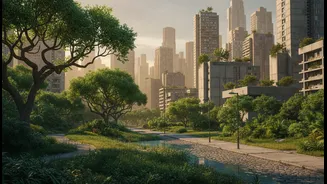
In India, a new wave of designers and architects is merging traditional wisdom with modern technology to create uniquely local and sustainable solutions. Firms are pioneering 'earth-centric' designs that use local materials like bamboo and mud, reducing transportation emissions and supporting local economies. Pune-based Studio Madhushala, for instance, creates buildings that harmonise with the surrounding landscape, emphasising natural ventilation and materials. The Grid Architects have developed concepts like the 'Agritech Home of the Future', which integrates hydroponics and solar power into residential design. These innovations aren't just for high-end projects. The push for multipurpose furniture in urban homes and the popularity of vertical gardens to combat urban heat are examples of sustainable design entering the mainstream, making greener living accessible to more people.
Beyond Products to Systems
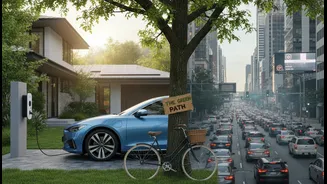
The most transformative design doesn't just focus on individual products; it rethinks entire systems. Consider urban transportation. A city that prioritises cars forces individuals into high-emission lifestyles. But a city designed with safe, interconnected bike lanes, reliable and easy-to-navigate public transit, and pedestrian-friendly zones makes leaving the car at home a convenient and pleasant choice. The design of the city itself nudges thousands of people towards a more sustainable behaviour every single day. Similarly, shifting from a model of product ownership to a 'product-as-a-service' model, like car-sharing apps or tool-lending libraries, drastically reduces waste and consumption. This systemic approach is where design can have the most profound impact, reshaping our collective habits without relying on individual heroism.