



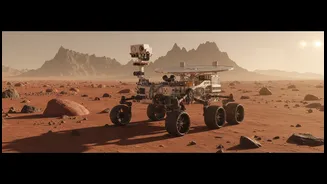


A New Strategy for the Red Planet
NASA is embarking on a significant strategic shift in its long-term plan to explore Mars. Instead of developing all its technology in-house, the agency is increasingly adopting a public-private partnership model. This approach, which has proven successful
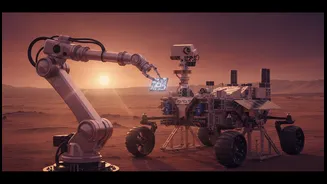
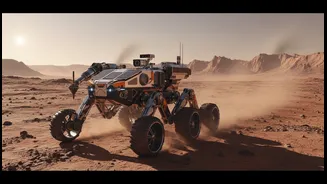
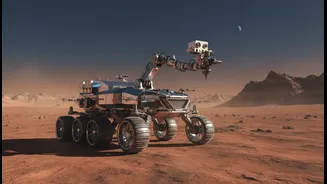
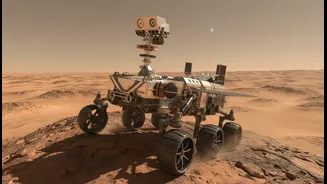
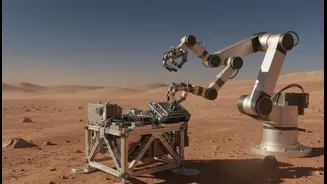
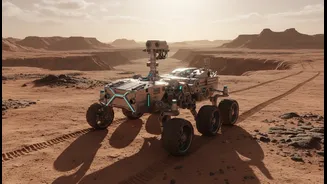
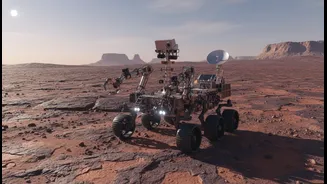
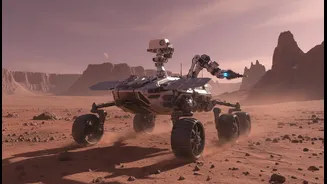
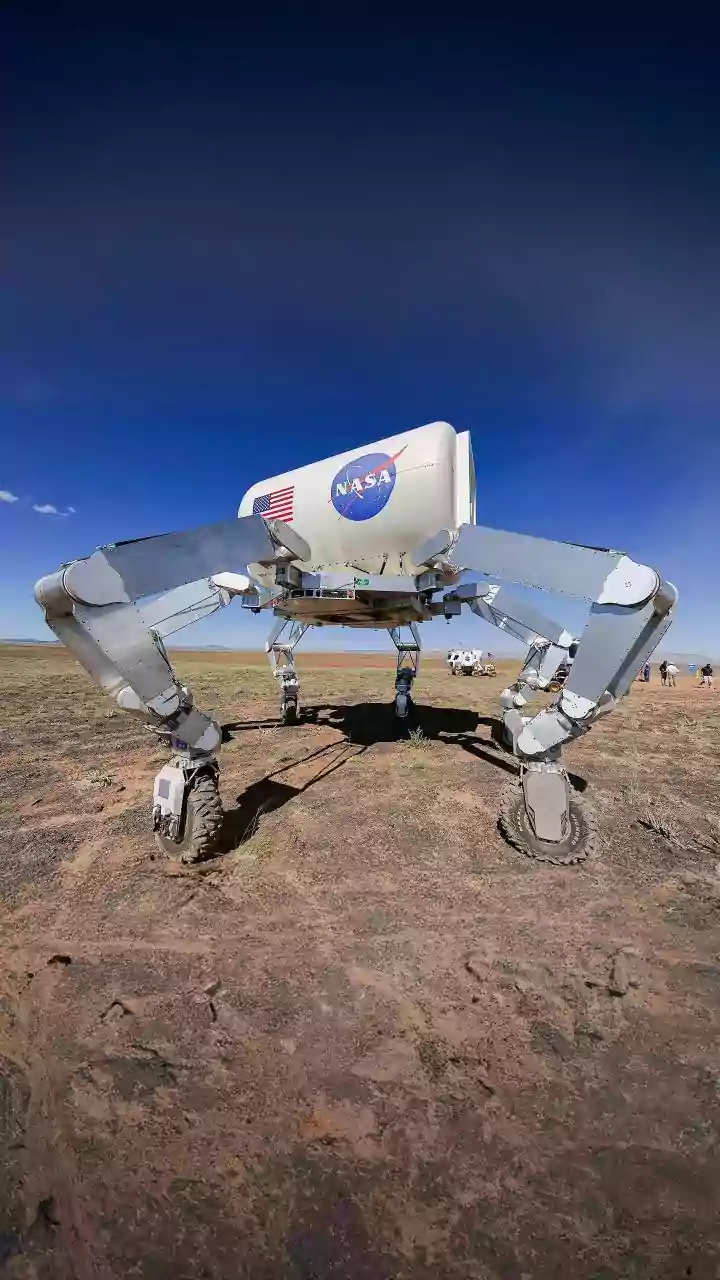
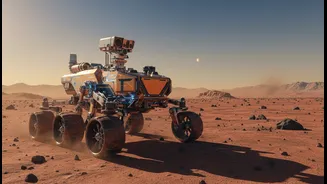
for resupplying the International Space Station and developing lunar landers, is now being applied to the Red Planet. Recently, NASA selected seven companies for its Science Transport and Robotic Innovation for Deployment and Exploration (STRIDE) initiative. This program aims to spur the development of next-generation robotic mobility systems that can operate on the challenging Martian surface. The goal is to create vehicles that can travel farther and access difficult terrain, opening up new frontiers for scientific discovery that are beyond the reach of current rovers like Perseverance and Curiosity.
Meet the New Players
The seven companies chosen represent a mix of established aerospace giants and innovative newcomers. They are AeroVironment, Astrobotic, Venturi Astrolab, Ground Control Robotics, Honeybee Robotics, Intuitive Machines, and MEI Technologies. Each of these firms has been deemed eligible for contracts with a total estimated value of $17 million. Their primary task is to conduct studies and develop concepts for advanced mobility systems. This isn't just about building better rovers; it's about creating a comprehensive surface architecture—the collection of habitats, vehicles, and scientific equipment that will one day support astronauts on Mars. This move signals NASA's role is evolving from being the sole developer of space hardware to becoming a customer and partner to a burgeoning commercial space industry.
Solving the Mobility Challenge
Exploring Mars is incredibly difficult. Past rovers, though highly successful, have faced limitations with mobility in fine Martian sand and have been hampered by dust storms that can block sunlight from their solar panels. The STRIDE initiative directly targets these problems by asking private industry to innovate. The program is looking for concepts for both surface and aerial technologies capable of carrying scientific payloads across the diverse Martian landscape. This could mean rovers with more robust wheels and power systems, or even advanced aerial drones that build upon the incredible success of the Ingenuity helicopter, which accompanied the Perseverance rover. By outsourcing this research and development, NASA can tap into a wider pool of ideas and potentially accelerate the development of technologies needed for both robotic and human missions.
Building on the Moon to Mars Blueprint
This initiative is a core part of NASA's overarching Moon to Mars strategy. The agency views the upcoming Artemis missions to the Moon as a crucial stepping stone. Lessons learned from establishing a sustainable human presence on the lunar surface, including the development of a base camp, will be directly applied to future expeditions to Mars. The architecture for Mars involves defining all the elements needed for long-term, human-led scientific discovery in deep space. This includes not just rockets and spacecraft, but also habitats, power systems, and the rovers that these seven companies will help conceptualize. By tackling these challenges in parallel—returning to the Moon while planning for Mars—NASA aims to create a sustainable and evolving blueprint for human exploration of the solar system.