
A Watery Signature, Light-Years Away
In a discovery that has electrified the astronomy community, scientists have confirmed unmistakable signs of water vapour in the atmosphere of K2-18b, a planet located about 120 light-years from Earth. While water has been detected on gas giants before,
finding it on a smaller, potentially rocky world orbiting within its star's habitable zone is a watershed moment. The findings, published recently in the journal Nature, represent a significant step forward in identifying worlds that could potentially support life. The data from the James Webb Space Telescope (JWST) was so clear that researchers could identify not just the presence of water, but also methane and other carbon-bearing molecules, suggesting a complex and dynamic atmosphere. This moves the planet from an interesting object of study to one of the most compelling targets in the search for habitable conditions outside our solar system.
Introducing the 'Hycean' World
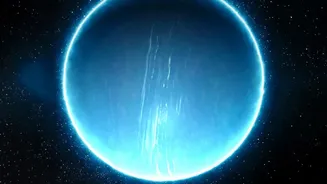
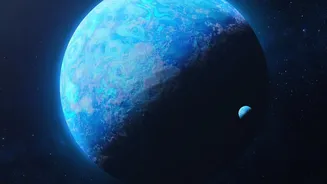
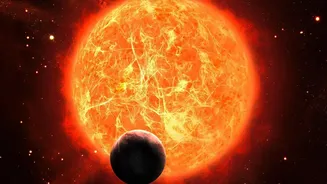
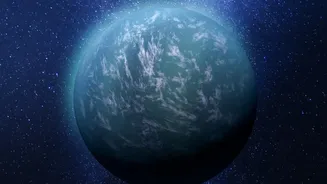
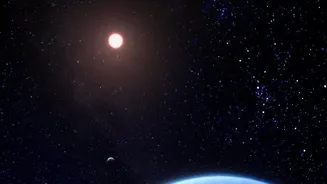
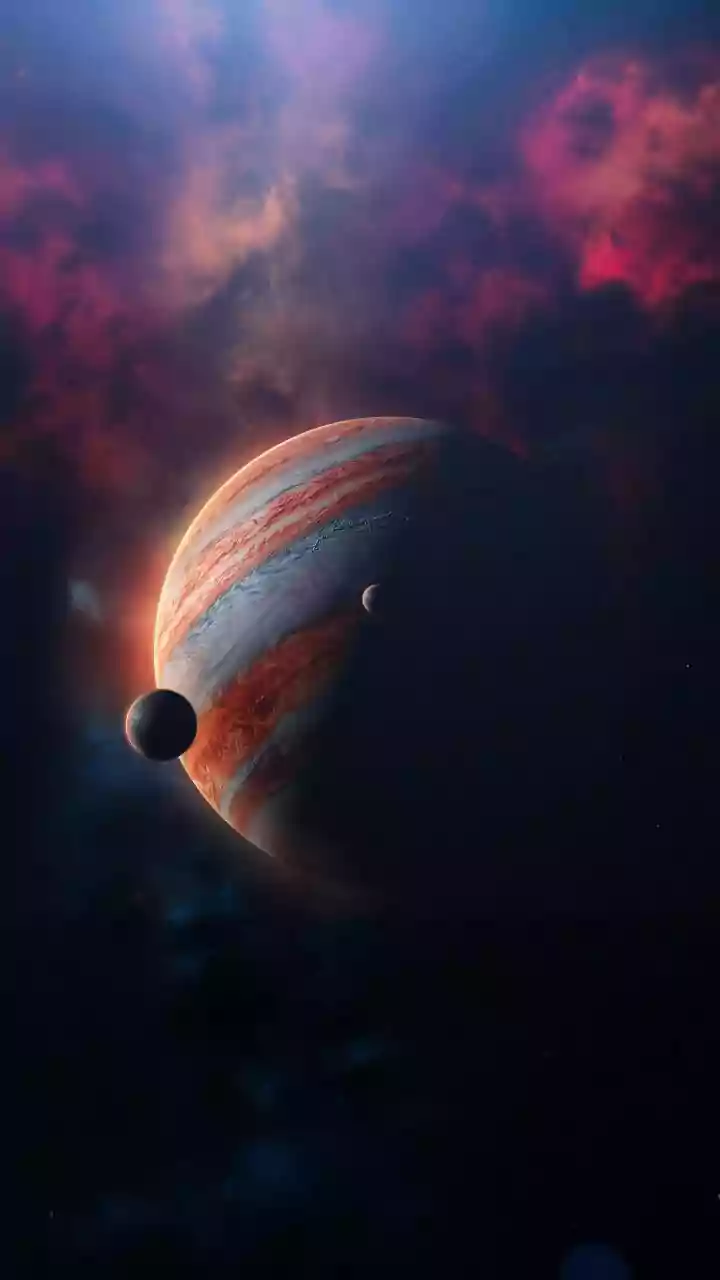
K2-18b is not quite an 'Earth 2.0'. It's classified as a 'sub-Neptune' or 'super-Earth,' roughly eight times the mass of our planet and about 2.6 times its radius. It orbits a red dwarf star, which is smaller and cooler than our sun. Despite its proximity to this star, the planet's temperature could be cool enough to support liquid water. Researchers theorise that K2-18b could be a 'Hycean' world—a hot planet covered by a global ocean underneath a hydrogen-rich atmosphere. While the high pressure of such an atmosphere presents challenges for life as we know it, some scientists believe it could still harbor microbial life forms within its vast ocean. The detection of carbon-based molecules alongside water vapor adds weight to the idea that the chemical building blocks for life may be present on this distant world.
How Webb Reads an Alien Sky
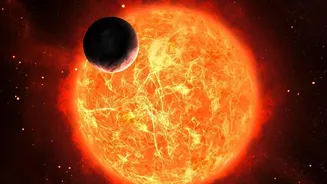
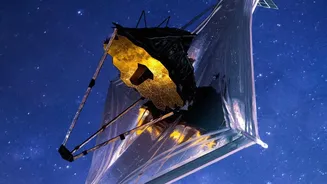
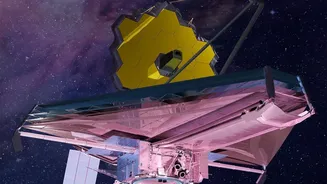
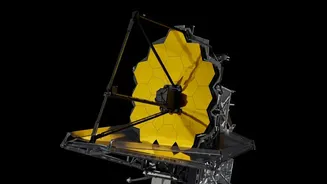
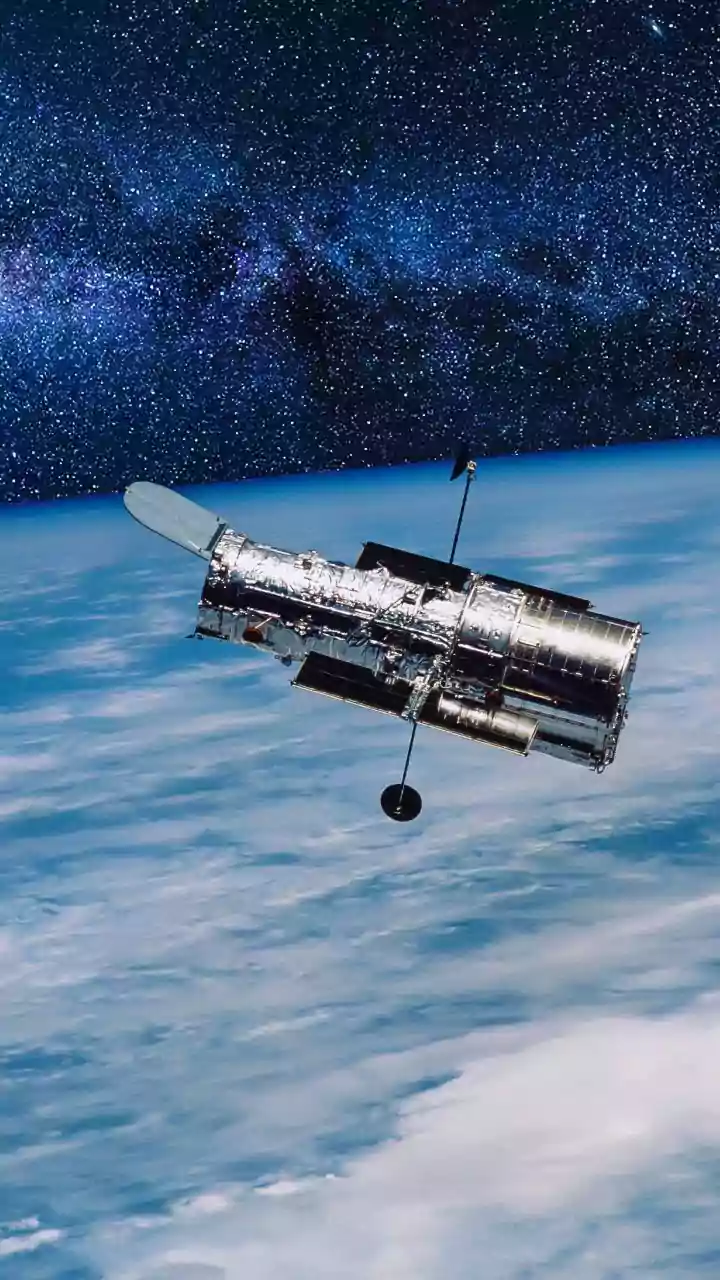
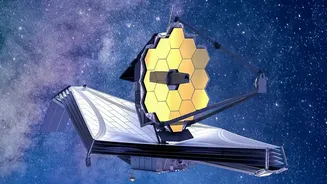
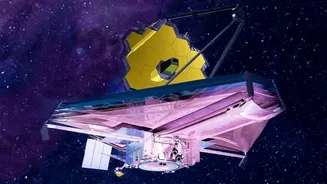
This groundbreaking discovery was made possible by the incredible power of the James Webb Space Telescope's instruments, particularly its Near-Infrared Imager and Slitless Spectrograph (NIRISS) and Mid-Infrared Instrument (MIRI). The technique used is called transmission spectroscopy. As K2-18b passed in front of its host star from our perspective, the telescope's sensors analyzed the starlight that filtered through the planet's atmosphere. Different molecules absorb light at specific wavelengths, leaving a unique chemical fingerprint. The unmistakable dip in the light spectrum corresponding to water vapour was a 'eureka' moment for the research team. This method allows astronomers to effectively 'read' the chemical composition of an atmosphere light-years away, a feat that was impossible with this level of precision before the JWST.
More Than Just Water
Water is a fundamental ingredient for life, but its presence alone is not definitive proof. The key is what else is present. The JWST's data also indicated the presence of methane and a lack of other molecules like ammonia, which provides clues about the planet’s atmospheric and geological processes. On Earth, methane is overwhelmingly produced by living organisms. While it can also be produced by geological activity, its existence alongside water vapour in a potentially temperate environment makes K2-18b an extremely high-priority target for follow-up observations. Scientists will now be looking for other 'biosignatures'—trace gases that are difficult to explain without a biological origin. The goal is to build a complete chemical inventory of the planet's atmosphere to determine if it is truly habitable.
A New Chapter in Astronomy
The confirmation of water vapour on K2-18b marks the beginning of a new era in exoplanet research. For decades, the search for habitable worlds was largely theoretical. Now, the JWST is providing concrete data on the atmospheres of these distant planets, revolutionising our understanding of planetary formation and evolution. Each new discovery helps refine which types of planets are the most likely to host life. From 'hot Jupiters' to 'fluffy' sub-Neptunes and now, potentially, water-rich worlds like K2-18b, the telescope is painting a diverse picture of the planets in our galaxy. This discovery not only proves the telescope's powerful capabilities but also brings humanity one tangible step closer to answering the profound question of whether we are alone in the universe.