







The Monsoon's March Across the Nation
As of early July, the Southwest Monsoon is active across large parts of the country. The India Meteorological Department (IMD) reports that conditions are favourable for the monsoon to cover the entire country within days, with its northern limit already
passing through Rajasthan and Punjab. While an active monsoon has helped reduce the nation's rainfall deficit, it has also unleashed heavy to very heavy rainfall in numerous regions, including the west coast, central India, and the northeastern states. Cities like Mumbai and Delhi have already experienced significant downpours leading to disruptions.
Air and Rail Travel Under Pressure
Spontaneous travel often relies on the efficiency of flights and trains, but both are highly susceptible to monsoon fury. Heavy rain, low visibility, and strong winds have already led to significant air traffic disruptions in major hubs like Mumbai. In early July, several flights had to be diverted to nearby airports like Ahmedabad and Surat due to severe weather. Airlines have issued advisories urging passengers to check their flight status before heading to the airport. The situation is similar for railways. Waterlogging on tracks has affected services, particularly on the Western Railway, and landslides have been known to disrupt key routes, including on the Konkan Railway. These weather-induced delays and cancellations make booking a last-minute ticket a gamble.
The Perils of the Open Road
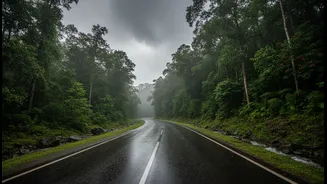
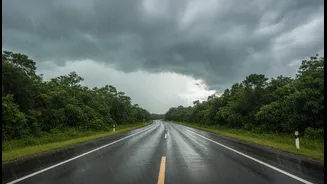
A spontaneous road trip is a classic adventure, but it’s one best avoided in many parts of India during the peak monsoon. Landslides are a major concern in hilly regions like Uttarakhand, Himachal Pradesh, and the Western Ghats. Recent heavy rains have already led to road closures on numerous state and national highways, including the Badrinath and Gangotri highways. Flash floods have also blocked roads in Himachal and Jammu & Kashmir. Even in cities and plains, torrential downpours can lead to severe waterlogging, bringing traffic to a standstill for hours, as seen in Delhi, Gurugram, and Mumbai. The newly inaugurated 'Missing Link' section of the Mumbai-Pune Expressway even failed its first monsoon test, forcing closures.
Regional Risks to Weigh
India’s geography means the monsoon’s impact varies. The West Coast, including Goa, Kerala, and coastal Karnataka, receives intense rainfall, which can make beach destinations less appealing due to rough seas and closed shacks. The Himalayan states, while scenically beautiful, are prone to dangerous landslides and flash floods, making trekking and road travel risky. The Northeast has also been battered, with floods inundating villages and damaging infrastructure in states like Assam and Arunachal Pradesh. Conversely, some regions like Rajasthan experience much lighter rainfall, offering a more predictable travel experience.
How to Plan for the Unpredictable
If you must travel, planning is no longer a suggestion—it's a necessity. Spontaneity needs to be replaced with strategy. First, build buffer days into your itinerary. A one-day trip can easily become a three-day affair if you're stranded by a landslide or a cancelled train. Second, pack smart. A waterproof jacket, quick-drying clothes, and non-slip footwear are non-negotiable. Keep electronics in dry bags. Third, stay informed. Monitor IMD weather alerts and local news for warnings about floods or road closures. Finally, choose your destinations wisely. Opt for places less prone to extreme weather or that have good indoor attractions like museums and galleries for when the skies open up.