

A Glimpse Across the Light-Years
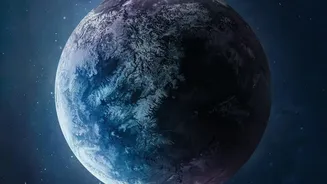
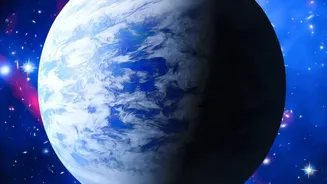
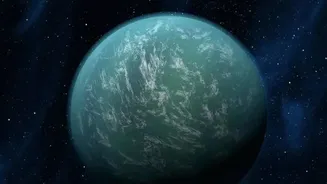
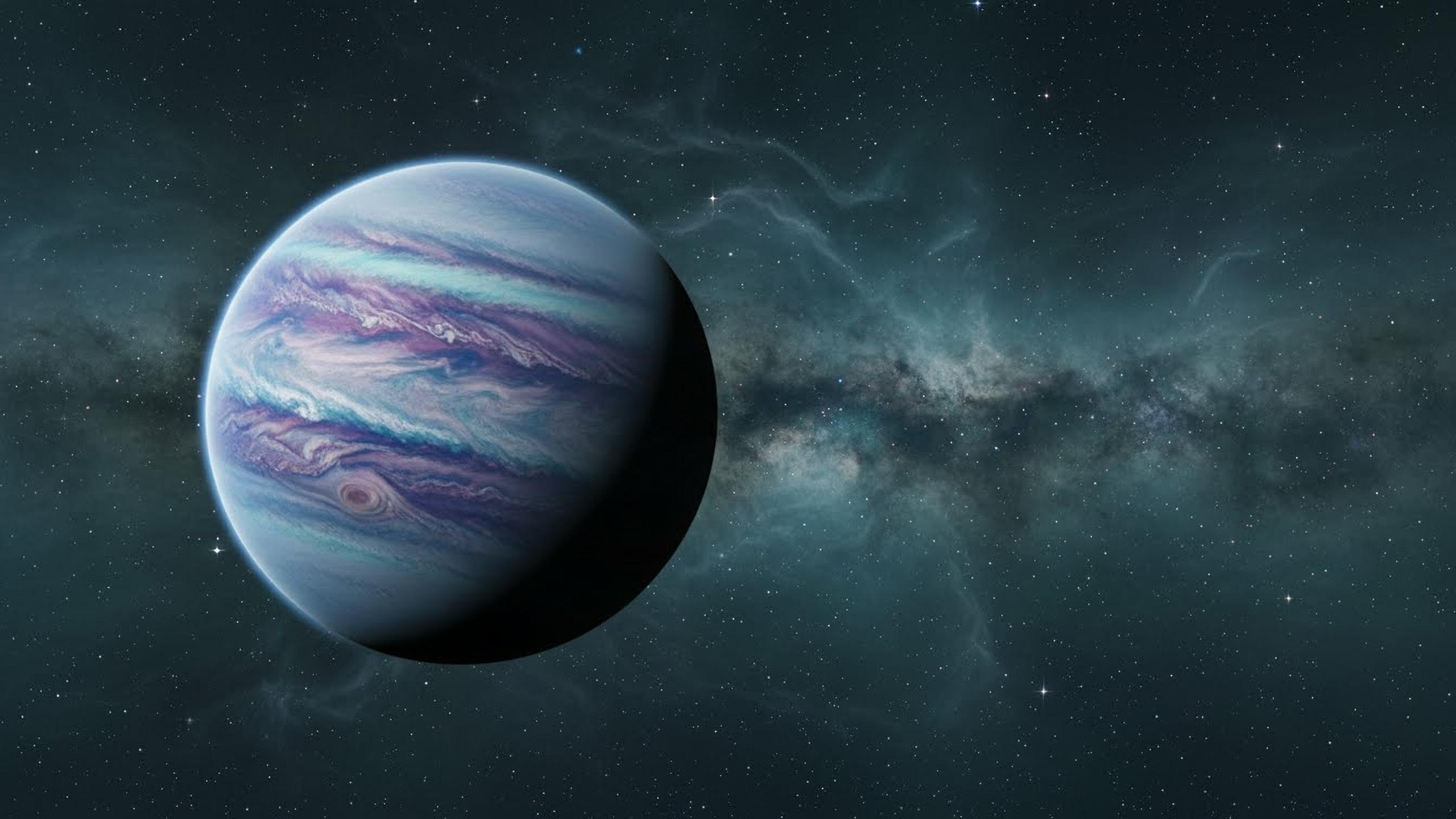
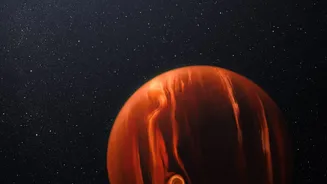
The discovery centres on an exoplanet known as GJ 1214 b, a world some 52 light-years away in the constellation of Ophiuchus. This isn't just any planet; it's a 'mini-Neptune', a class of planet larger than Earth but smaller than Neptune, which astronomers
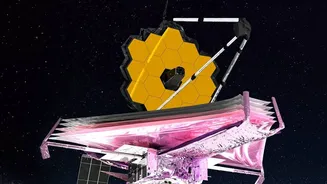
believe is the most common type in our galaxy. For years, GJ 1214 b has kept its secrets hidden behind a thick, impenetrable layer of haze. But the powerful infrared eyes of the JWST have finally pierced that veil, giving us our first real look at the chemical makeup of its atmosphere. The data clearly shows the signature of water vapour, a monumental finding that confirms the telescope's transformative power.
How Webb Reads the Air
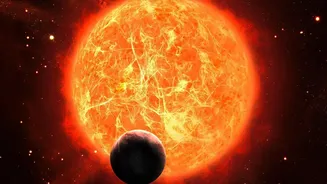
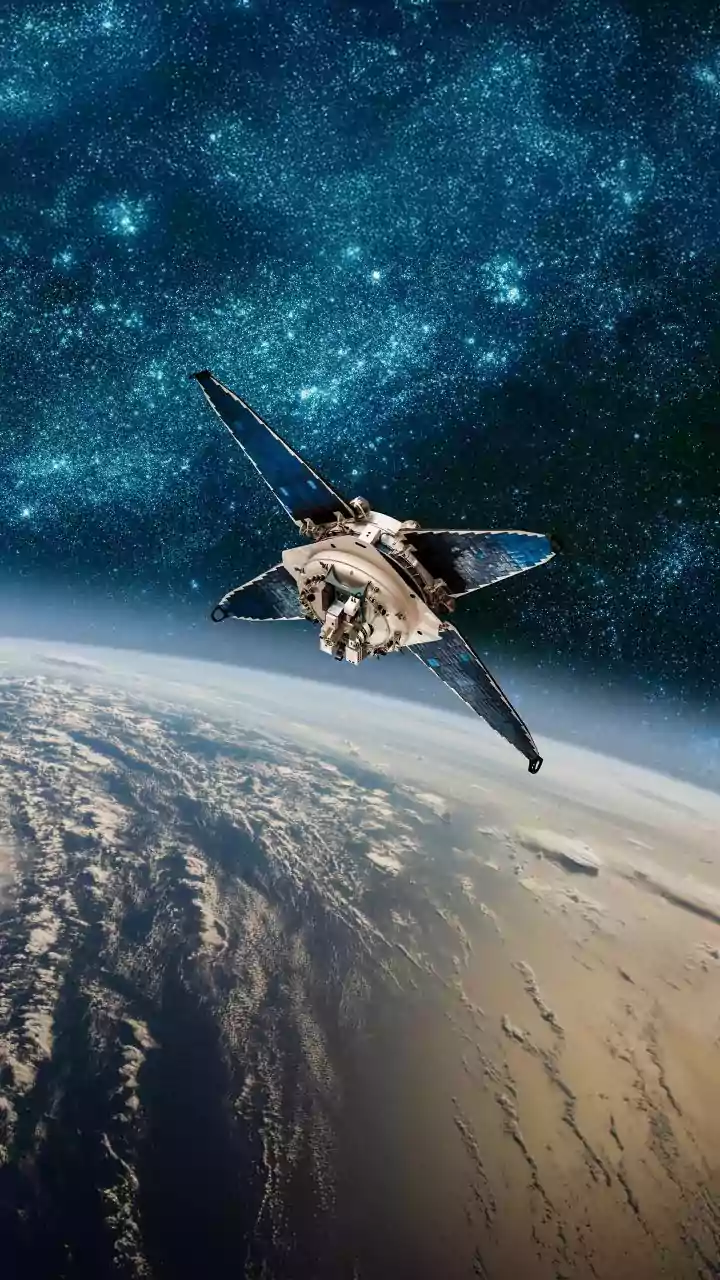
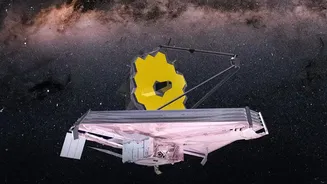
So how does a telescope 1.5 million kilometres from Earth 'taste' the air of a planet trillions of kilometres further away? The technique is called transmission spectroscopy, and it's brilliantly clever. As an exoplanet like GJ 1214 b passes in front of its host star from our perspective, a tiny fraction of the starlight filters through the planet's atmosphere. Different molecules in that atmosphere absorb specific colours, or wavelengths, of light. By capturing the starlight before and during this 'transit', astronomers can see which colours are missing. These missing pieces act like a chemical fingerprint. In this case, the specific wavelengths absorbed pointed unmistakably to the presence of water molecules. It's a method that has turned the atmospheres of distant worlds into cosmic laboratories.
A World of Steam and Haze
Before you imagine vast blue oceans, it's important to understand what kind of world GJ 1214 b is. It orbits its star every 38 hours at a distance of just over a million miles, making it incredibly hot. Daytime temperatures can soar to 279 degrees Celsius. This is far too hot for liquid water to exist on its surface. Instead, the water detected is in the form of steam, likely a major component of a thick, heavy atmosphere. The finding is significant because it suggests the planet could be a 'water world', meaning it may have formed with a substantial amount of water in its composition, even if it now exists as vapour. For a planet that was once a complete mystery, we now know its atmosphere is not a light, hydrogen-dominated one, but is instead rich with heavier molecules like water or methane.
More Than Just Water
The detection of water is the headline, but the full story is even more intriguing. By tracking the planet through its entire orbit, scientists created a heat map that revealed a massive temperature difference between its permanent day and night sides. This suggests how heat is being transported around the planet by its atmosphere. One of the most surprising findings was that the planet is incredibly reflective, meaning something in its atmosphere is bouncing a lot of starlight back into space. This has led scientists to conclude that the water vapour is mixed in with a thick layer of haze or clouds. While water is a key ingredient for life as we know it, its presence on GJ 1214 b is a clue about planetary formation, not habitability. It shows that water is a common ingredient in the formation of planets, even for worlds very different from our own.
The Next Frontier in Exploration
This discovery isn't just about one planet; it's about what comes next. It validates the JWST's ability to probe the atmospheres of these common, previously inscrutable mini-Neptunes. Each new piece of data helps scientists refine their models of how planets form and evolve. Astronomers will now use the telescope to look for other key molecules, like carbon dioxide, methane, and ammonia, in the atmospheres of this and other planets. They are particularly interested in finding 'biosignature gases'—molecules that, when found together, could be a strong indicator of biological activity. While GJ 1214 b is not a candidate for life, studying its atmosphere is a critical dress rehearsal for the main event: analysing the air of smaller, rocky planets within the habitable zones of their stars, where liquid water could exist and life might one day be found.