
More Than Just Decoration
A quiet but powerful shift is happening inside Indian homes. Homeowners are moving beyond catalogues and showrooms to create spaces that feel less manufactured and more meaningful. The trend involves thoughtfully placing handmade objects—items rich with
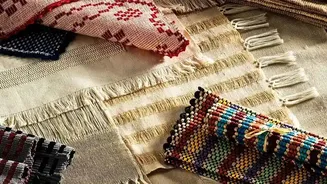
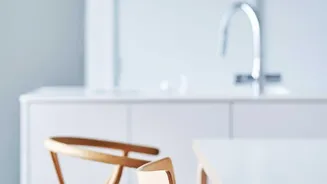
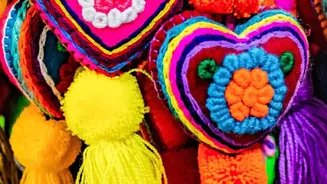
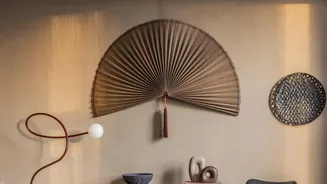
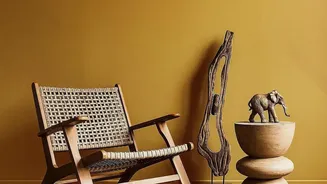
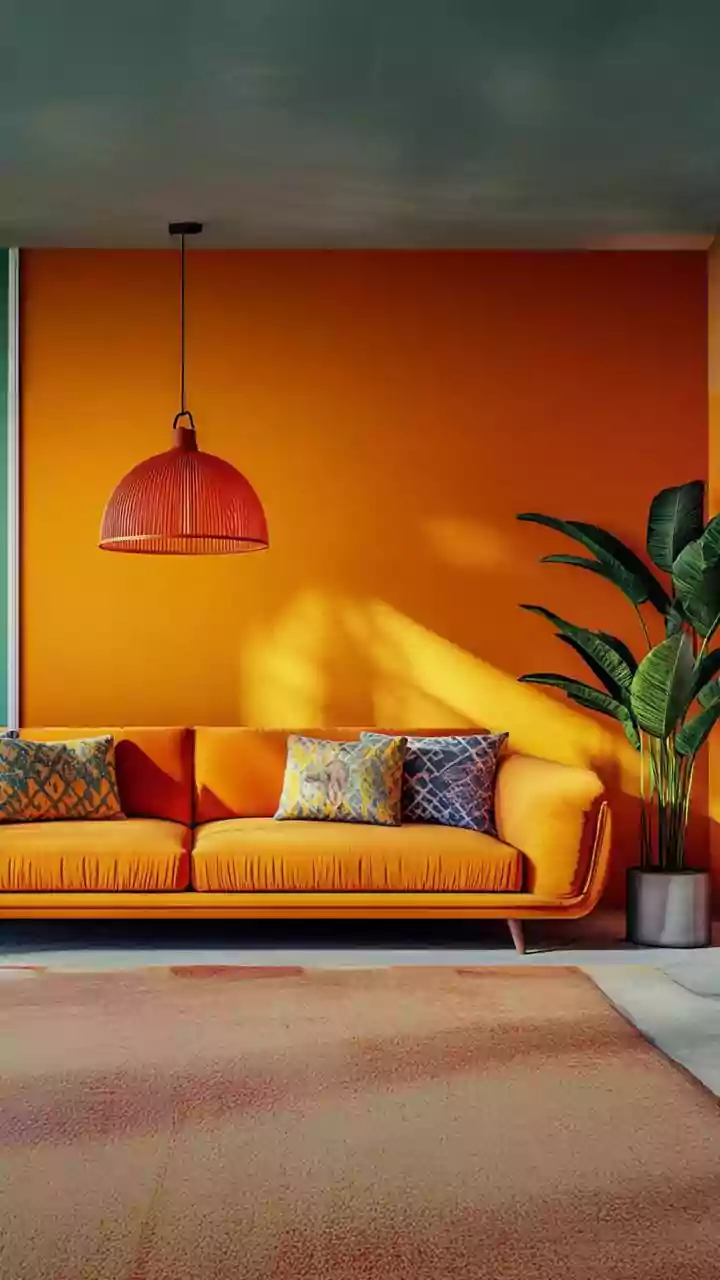
story and skill—alongside contemporary, mass-produced furniture. This isn't about creating a traditionally 'ethnic' look, but about injecting soul and personality into modern interiors. It’s a response to years of minimalist design that, while clean, could sometimes feel cold or impersonal. By adding a handcrafted piece, homeowners are choosing to support artisan communities and preserve generational skills. This conscious choice transforms decoration into an act of cultural preservation and personal expression.
The New Authenticity
This design movement redefines what an authentic Indian home looks like in the 21st century. For a long time, 'modern' was often interpreted as purely Western or minimalist. Today, there's a growing confidence in a hybrid aesthetic that is uniquely Indian. It acknowledges global trends but roots them in local heritage. A single, well-chosen handcrafted item, like a Dhokra figurine on a simple shelf or a hand-painted Pattachitra panel on a neutral wall, can anchor an entire room. These pieces carry the human touch, with tiny, beautiful irregularities that stand in warm contrast to machine-made perfection. They add a layer of history and emotion, making a space feel curated and deeply personal rather than simply assembled.
How to Master the Mix
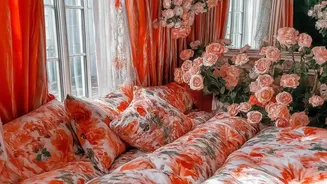
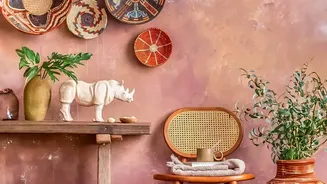
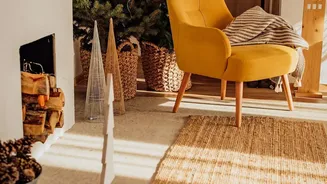
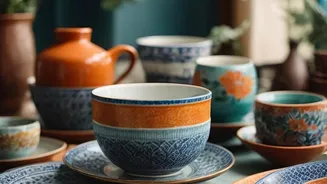
Blending these two worlds doesn't require a complete design overhaul. The key is balance and intentionality. Start small by introducing one or two accent pieces. Place a cluster of terracotta planters in a minimalist balcony, or drape a vibrant, block-printed textile over a neutral-toned armchair. The power lies in the contrast of textures: the raw, earthy feel of a jute rug against polished flooring, or the intricate carvings on a wooden chest placed beneath a sleek, modern mirror. Popular crafts that integrate beautifully include the gleaming metalwork of Dhokra from Bastar, the iconic blue pottery of Rajasthan, and the smooth, playful woodwork of Channapatna. The goal is to let each piece breathe, creating focal points that tell a story without cluttering the space.
A Story in Every Corner
Ultimately, this trend is about storytelling. That handwoven basket in the corner isn't just for storage; it’s a connection to a specific region's weaving traditions. That brass lamp wasn't just bought; it was made using an ancient casting technique passed down through generations. Homeowners are increasingly seeking this connection, choosing objects that resonate with their personal history or values. Many are rediscovering family heirlooms—a vintage brass urli, an old textile—and giving them a place of pride in their modern homes. This approach turns the home into a living gallery of personal and cultural memory. Each object has a past, a maker, and a reason for being there, making the home a richer, more engaging environment for everyone who lives in it.