



The Zero-Waste Reward
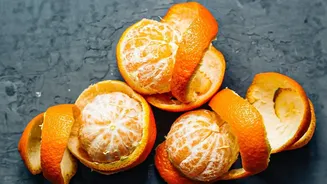
Turning citrus scraps into marmalade is one of the most satisfying kitchen projects. It's a simple act of transformation that saves food from the bin, fills your home with an incredible aroma, and rewards you with a gourmet preserve. The peels, which
are often discarded, are packed with essential oils and natural pectin. This means they hold the most intense citrus flavour and the very ingredient needed to help your marmalade set, all without needing store-bought additives. By using the whole fruit, you not only get more value for your money but also take a small, tangible step toward a lower-waste kitchen. It’s a win for your pantry and the planet.
Prepping Peels for Perfection
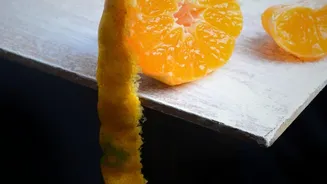
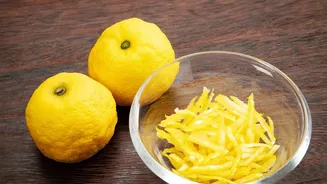
The key to delicious, not overwhelmingly bitter, marmalade lies in the preparation. The white layer under the colourful zest, known as the pith, is the main source of bitterness. While some bitterness is characteristic of marmalade, you can easily manage it. After washing your fruit, thinly slice the peels. To mellow them out, a crucial step is blanching. Place the sliced peels in a saucepan, cover them with cold water, bring it to a boil, and let it simmer for about 10 minutes before draining. Some cooks repeat this process two or three times, which significantly softens the peels and tames any harsh flavours, ensuring your final product is pleasantly zesty.
A Simple, All-Purpose Marmalade Recipe
This basic recipe works beautifully for oranges, lemons, grapefruit, or a mix of your favourites. For roughly two cups of prepared citrus peels, you will need about four cups of water and three to four cups of sugar, plus the juice of one lemon to help with setting. First, place your blanched and drained peels in a large, heavy-bottomed pot with the water. Bring to a boil, then reduce the heat and simmer for 30-40 minutes, or until the peels are very tender. Next, add the sugar and lemon juice, stirring until the sugar is fully dissolved. Increase the heat and bring the mixture to a rolling boil. Continue to cook, stirring occasionally, for about 20-30 minutes. The marmalade is ready when it thickens and a small amount dropped onto a cold plate wrinkles when you push it with your finger.
Adding Your Own Flavour Twists
Once you've mastered the basic technique, you can start experimenting with custom flavours. A stick of cinnamon, a few star anise pods, or a knob of fresh, grated ginger added during the simmering stage can infuse your marmalade with warm, spicy notes. A split vanilla bean can add a creamy, fragrant undertone that pairs beautifully with orange or grapefruit. For a more complex citrus profile, try mixing different types of peels together. A combination of sweet orange, tangy lemon, and slightly bitter grapefruit creates a marmalade with incredible depth. Don't be afraid to play around with small batches to find your signature blend.
Storing Your Liquid Gold
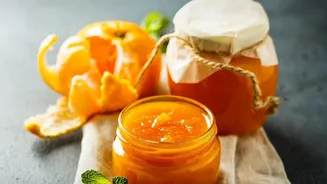
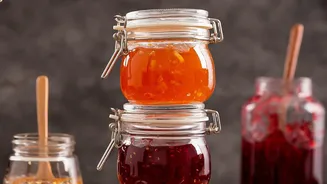
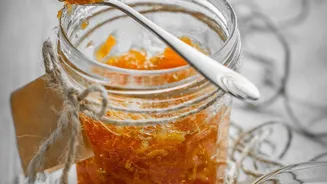
Proper storage is essential to enjoy the fruits of your labour for months to come. Once the marmalade is cooked, let it cool for a few minutes before carefully ladling it into clean, sterilised glass jars, leaving a small amount of headspace at the top. Seal the jars tightly while the marmalade is still hot. For long-term storage at room temperature, these jars should be processed in a boiling water bath. Unopened, properly sealed jars will keep in a cool, dark place for up to a year. Once a jar is opened, it should be stored in the refrigerator and will typically last for about a month.