




Understanding the NCR's Strict Mandates
The rulebook for commercial vehicles entering the National Capital Region (NCR) has become decisively stricter. As of November 1, 2026, a significant directive from the Commission for Air Quality Management (CAQM) takes full effect: all commercial goods
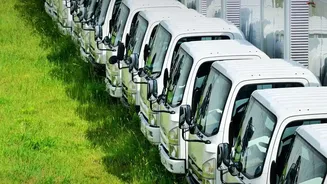
vehicles, including light, medium, and heavy-duty trucks, must be either BS-VI compliant, or run on cleaner fuels like CNG, LNG, or electricity to enter Delhi. This marks the end of a transition period that had previously allowed some BS-IV diesel vehicles carrying essential goods to operate. This isn't a temporary measure tied to winter pollution spikes; it is a year-round structural change. Furthermore, the Graded Response Action Plan (GRAP), which activates further restrictions as air quality worsens, has been revised. Even at Stage I, which was recently invoked, rules tighten for inter-state buses, permitting only electric, CNG, or BS-VI diesel buses from neighbouring states to enter Delhi-NCR.
The Force Behind the Rules: A Regional Air Crisis
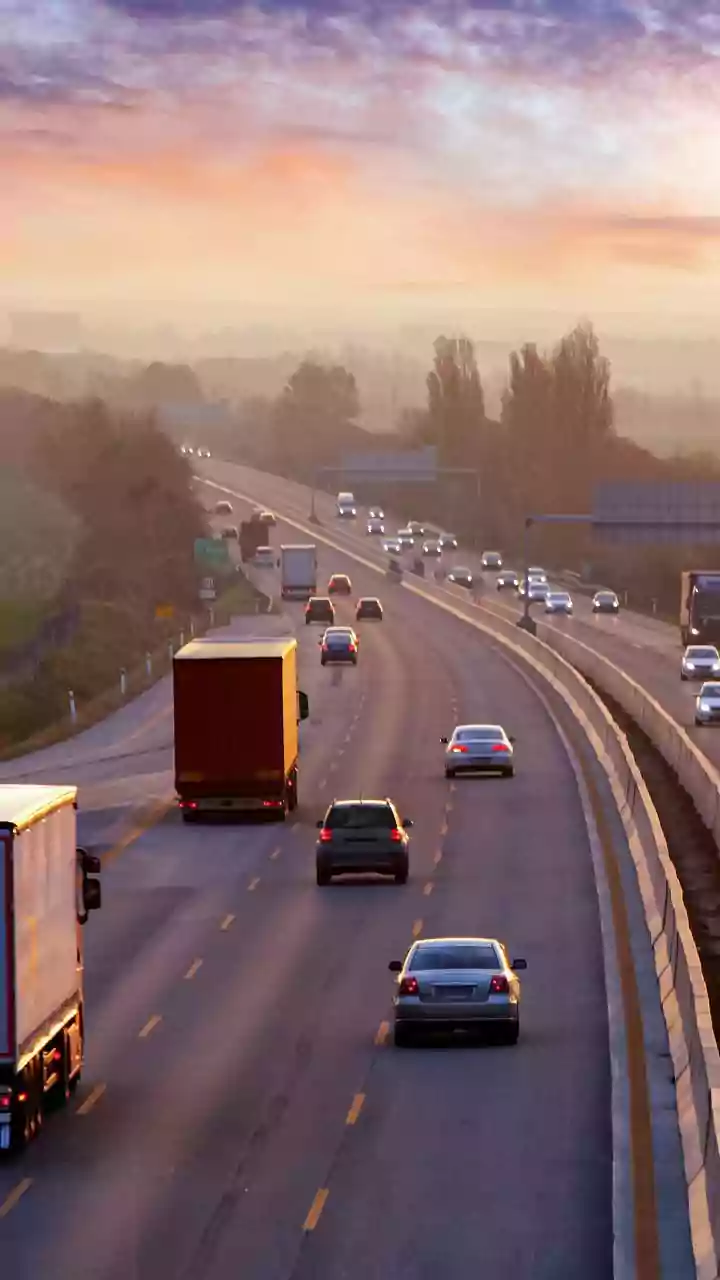
These regulations are not arbitrary. They are a response to a persistent public health crisis, with the transport sector identified as a primary contributor to Delhi's severe air pollution. Commercial vehicles, though a fraction of the total fleet, are responsible for a disproportionately high share of emissions due to their long operating hours and reliance on diesel. Studies have shown that transport contributes 20-40% of Delhi's PM2.5 pollution annually. The CAQM, the statutory body responsible for air quality in the region, is driving this policy shift. Its goal is to move beyond reactive, emergency measures to creating a sustained improvement in air quality. The data now clearly shows that the majority of truck traffic entering Delhi is not merely passing through but has the NCR as its destination, making regional fleet compliance essential for any meaningful change.
Beyond Delhi: Why Out-of-State Fleets Must Comply
A common misconception among operators based in Haryana, Uttar Pradesh, Rajasthan, or Punjab is that these rules are a 'Delhi problem'. This is no longer the case. The regulations apply to any vehicle seeking entry into the NCR. An advisory from the Gurugram Traffic Police has explicitly warned transporters and drivers to verify their vehicle's emission standards before heading towards Delhi. This means a truck loaded in Ludhiana or a bus starting from Jaipur will be stopped at the border if it does not meet the prescribed norms. The GRAP framework now extends its reach, with restrictions on certain vehicles applying to Haryana's Sonipat district, in addition to Gurugram, Faridabad, Ghaziabad, and Gautam Budh Nagar. The message is clear: the NCR is being treated as a single, integrated air-shed, and compliance is mandatory for all who operate within it.
The Steep Price of Ignoring the Norms
For fleet owners, non-compliance is a significant financial and logistical risk. Attempting to enter Delhi with a non-compliant BS-IV diesel truck after the deadline will result in denial of entry, leading to trip cancellations, delayed deliveries, and broken contracts. Authorities are enforcing these rules with fines and the potential impounding of vehicles. During periods of heightened pollution when higher stages of GRAP are invoked, restrictions become even more severe. Under Stage IV, for example, even some BS-IV vehicles previously granted exemptions for carrying essential goods are banned. The operational chaos caused by a truck being turned away at the border—including the need to arrange for trans-shipment to a compliant vehicle—can cripple profitability and damage a transporter's reputation for reliability.
Turning Compliance into a Strategic Advantage
While the transition to a BS-VI or alternative fuel fleet requires significant capital investment, viewing it solely as a burden is short-sighted. Aligning with NCR norms is now a fundamental requirement for doing business in one of India's largest economic zones. Operators who proactively upgrade their fleets will gain a crucial competitive advantage. They will be able to guarantee uninterrupted service to and from the NCR, regardless of the season or GRAP stage. This reliability will be a key differentiator for clients who need dependable supply chains. Furthermore, modern BS-VI vehicles and EVs offer better fuel efficiency and lower maintenance costs over their lifespan, providing a long-term operational benefit. Early adoption positions a transport business not just for compliance, but for sustainable growth and leadership in a rapidly modernising logistics industry.