



A Direct Connection At Last
Getting to the sun-drenched beaches and historic Portuguese forts of Daman from the capital has traditionally required a multi-leg journey. Travellers would typically endure a long train ride of over 15 hours or fly to a nearby city like Surat or Mumbai
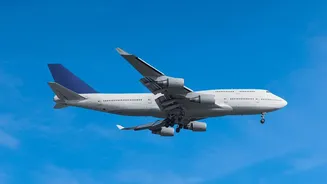
and complete the trip by road. That has all changed with the recent launch of a direct flight service by Alliance Air from Delhi's Indira Gandhi International Airport (IGI) to Daman Airport (NMB). This new route is a game-changer, cutting down the total travel duration to just under three hours and putting a spontaneous coastal weekend within easy reach for Delhiites.
The Old Way: Flights, Trains, and Roads
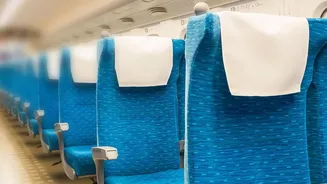
Before the introduction of this direct flight, the most common aerial route was flying from Delhi to Surat, a journey of about 90 minutes. From Surat, Daman is approximately a two to three-hour drive. Factoring in airport transfers and wait times, the entire trip could easily consume five to six hours. Alternatively, many opted for the train, with services from Hazrat Nizamuddin station in Delhi to Vapi, the nearest major railhead to Daman. While more economical, this option involved a lengthy travel time of 14 hours or more, followed by a final road transfer to Daman. These options, while functional, added significant time and complexity to any travel plan.
The Frequency Face-Off
This is where the comparison becomes crucial for travellers planning their itinerary. The new direct Alliance Air flight is, at present, a limited service. It operates twice a week, specifically on Mondays and Wednesdays. In stark contrast, flights from Delhi to the nearest major hub, Surat, are abundant. Airlines like IndiGo and Air India Express operate multiple direct flights daily, with dozens of departures every week. This high frequency provides immense flexibility, allowing travellers to pick from morning, afternoon, or evening departures any day of the week. While the direct Daman flight offers unparalleled point-to-point speed, its low frequency requires more rigid planning.
Comparing Time and Convenience
The new direct flight saves a remarkable amount of time, estimated to be over 10 hours compared to the train journey. Even when compared to the fly-and-drive option via Surat, it eliminates the hassle of changing modes of transport and navigating an additional leg of the journey. For a traveller whose schedule aligns with a Monday or Wednesday departure, the convenience is undeniable. However, for those needing to travel on other days of the week, the established route via Surat remains the only viable air travel option, despite the longer overall travel time.
What About the Cost?
Cost is another important factor. Fares for the new direct flight to Daman are reported to be around ₹7,000 one-way. While significantly more expensive than a train ticket, the price is competitive when you consider the value of the time saved. Flight prices to Surat can vary widely based on demand and booking time but often fall within a similar range. A traveller opting for the Surat route must also budget for the additional cost of a taxi or bus to Daman, which can add to the overall expense. Therefore, when the direct flight is available, its cost can be seen as a comprehensive price for a much simpler journey.
A Boost for Regional Connectivity
The launch of the Delhi-Daman route is a significant development under the government's regional connectivity scheme (RCS-UDAN), aimed at making air travel more accessible and connecting smaller towns. By adding Daman to its network, Delhi's IGI Airport now connects to 90 domestic destinations, reinforcing its status as India's largest aviation hub. This new service is expected to not only boost tourism but also facilitate business travel to one of western India's key manufacturing regions, known for its pharmaceutical, plastics, and engineering industries.