




The Price of Celebration
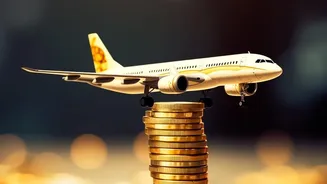
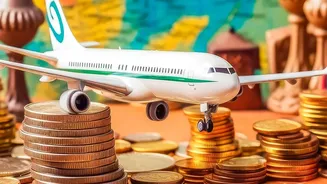
This year, the cost of flying home for Diwali is testing the budgets of millions. A combination of factors, including elevated Aviation Turbine Fuel (ATF) prices and reduced airline capacity, has sent fares skyrocketing. Reports from October 2026 show
that on popular domestic routes, ticket prices are surging dramatically. For instance, one-way flights from major cities like Mumbai and Bengaluru to destinations such as Patna and Varanasi were reportedly crossing the ₹15,000 mark and even reaching as high as ₹26,000 for travel just before Diwali. According to one survey, a majority of air travellers are paying over 50% more than they did in the previous year. This price pressure isn't limited to flights; hotel rates in popular destinations are also expected to see a significant jump, with premium properties in places like Goa climbing by over 40% post-Diwali.
An Unstoppable Urge to Travel
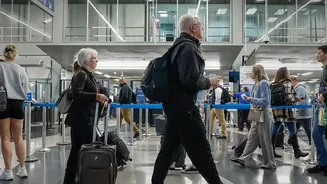
Despite the daunting prices, booking platforms and travel agencies are reporting an unprecedented rush. Travel bookings for the festive quarter are reportedly up by as much as 50% compared to last year, with some platforms seeing a 3x to 4x growth in bookings for the October to December period. This trend suggests a fundamental shift in consumer behaviour. The desire to reconnect with family, celebrate festivals, and take a well-deserved break appears to be outweighing financial constraints. Experts point to a strong sense of pent-up demand and a change in spending priorities, where experiences like travel are now valued more highly than ever.
Where is Everyone Headed?
The travel rush is fanning out across the country and beyond. Domestically, perennial favourites like Goa remain top of the list, but there's also a growing interest in drive-to destinations and regional circuits, thanks to improved highway connectivity. Travellers are exploring wildlife sanctuaries like Pench and Gir, and hill stations such as Ooty and Kasauli. Spiritually significant cities are also a major draw. Ayodhya, with its grand Deepotsav celebrations the evening before Diwali, and Amritsar, which celebrates Bandi Chhor Divas at the illuminated Golden Temple, are expecting huge crowds. For those looking for a royal touch, the decorated markets and palaces of Jaipur and Udaipur are popular choices. On the international front, destinations with easy visa requirements are seeing a surge. Many are skipping the usual domestic rush for quick getaways to places like Sri Lanka, Bhutan, and Kazakhstan.
The 'Why' Behind the Splurge
So, what is fuelling this determination to travel against the tide of high costs? Several factors are at play. For one, Diwali 2026 falls on a Sunday (November 8), creating a long weekend that is perfect for a short trip. Many travellers are also getting smarter about their bookings, planning well in advance or showing flexibility with their dates to avoid the absolute peak fares. But the larger driver seems to be psychological. After years of restrictions and uncertainty, the social and emotional significance of being with loved ones during India's biggest festival has taken precedence. It's not just about a holiday; it's about reclaiming traditions and making up for lost time. This festive season is proving that for many Indians, the emotional return on investment from travel is worth the high price tag.
Navigating the New Travel Normal
While last-minute planners will feel the pinch, many are adapting their strategies. Travel experts note that booking several months in advance, typically between May and July for Diwali, is the best way to secure reasonable fares. For those booking closer to the date, being flexible can lead to significant savings. Flying on Diwali day itself can sometimes be cheaper than the days immediately preceding it. Similarly, opting for connecting flights or choosing secondary airports can help mitigate the high costs. The trend also shows a rise in package deals and bookings with vacation ownership companies, as travellers look for more predictable and value-driven options. This surge in festive travel, even in a high-cost environment, signals a resilient and evolving Indian traveller who is prioritising experiences and connections.