




Ignoring Mosquito Protection
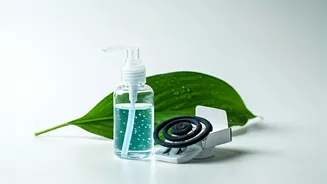
One of the most dangerous monsoon mistakes is underestimating mosquitoes. The rainy season creates ideal breeding grounds for them in stagnant water—puddles, flower pots, coolers, and even discarded tyres. This leads to a surge in vector-borne diseases
like dengue, malaria, and chikungunya, which can cause severe fever, joint pain, and other serious complications. It's not enough to simply swat them away. Proactive prevention is key. Ensure there is no standing water in or around your home. Use mosquito repellents on exposed skin, especially during dawn and dusk when Aedes and Anopheles mosquitoes are most active. Installing mesh screens on windows and doors and using mosquito nets at night can provide an effective barrier, drastically reducing your risk of bites and subsequent illness.
Indulging in Street Food
A hot plate of pakoras or a spicy vada pav seems like the perfect monsoon snack, but this is the riskiest time to indulge in street food. The high humidity and moisture in the air promote rapid bacterial growth. Water used by vendors might be contaminated, leading to water-borne diseases like cholera, typhoid, and jaundice. Leafy vegetables and pre-cut fruits are particularly susceptible to contamination from dirty water and unhygienic handling. While the temptation is strong, it's wiser to prepare your favourite monsoon snacks at home where you can control the quality of ingredients and hygiene. If you must eat out, choose well-established restaurants with high standards of cleanliness rather than roadside stalls.
Walking Through Stagnant Water
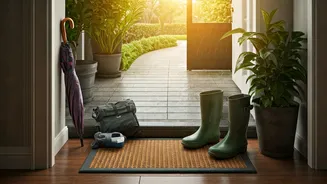
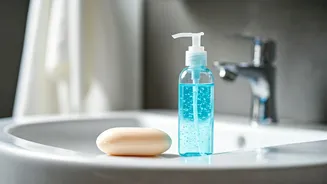
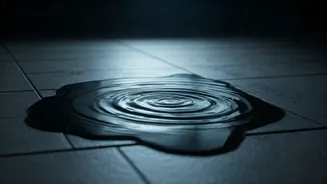
Wading through flooded streets is sometimes unavoidable, but it's a mistake to do so without taking precautions. Puddle and flood water is a cocktail of sewage, garbage, and animal waste, teeming with harmful bacteria and viruses. This exposes you to a range of health issues, most notably leptospirosis, a bacterial infection that can enter your body through cuts or abrasions on your feet. It can also lead to nasty fungal infections like athlete's foot. If you have to walk through water, wear waterproof footwear like rubber boots. As soon as you get home, wash your feet and legs thoroughly with soap and warm water, and dry them completely. Pay close attention to the spaces between your toes.
Wearing Damp Clothes or Shoes
Getting caught in a downpour is a classic monsoon experience, but staying in wet clothes or shoes for long is a recipe for trouble. Damp fabrics create a warm, moist environment perfect for fungal and bacterial growth, leading to skin infections, rashes, and a weakened immune system that makes you more susceptible to colds and flu. The same goes for your footwear; damp shoes can quickly cause fungal infections on your feet. Always change into dry clothes as soon as possible after getting wet. Use an iron to press clothes that feel slightly damp to ensure they are completely dry before you wear or store them. Make sure your shoes are fully aired out and dry before you put them on again.
Forgetting About Hydration
With the cooler temperatures and lower sun intensity, it’s easy to forget to drink enough water. However, dehydration can still occur. Your body continues to lose fluids through sweat, especially in humid conditions, and not replenishing them can weaken your immune system. A weaker immune system is less effective at fighting off the various infections that are common during the monsoon. Ensure you drink plenty of boiled or filtered water throughout the day. Herbal teas like ginger or tulsi tea are also excellent choices, as they not only hydrate but also have immunity-boosting properties that can help you fend off seasonal illnesses.
Neglecting Indoor Air Quality
We often focus on outdoor risks, but high humidity affects our indoor environment too. Dampness can lead to the growth of mould and mildew on walls, furniture, and in closets. These fungi release spores into the air, which can trigger allergies, asthma attacks, and other respiratory problems. To combat this, ensure your home is well-ventilated. Open windows for a few hours on dry, sunny days to let fresh air circulate. Use exhaust fans in kitchens and bathrooms to reduce moisture. Dehumidifiers can be a great investment for particularly damp homes. Keeping your indoor environment dry and clean is just as important as avoiding outdoor hazards.