





The Gut's Hidden World
For years, health advice has been delivered with a broad brush: eat this, not that. But a wave of new research is showing why that approach is fundamentally flawed. At the centre of this new understanding is the gut microbiome—the trillions of bacteria
and other microbes living in our digestive tracts. A recent, groundbreaking study of diverse communities across India and Sri Lanka, called the South Asian MicroBiome ARray (SAMBAR), has produced the first reference database for the region. This is crucial because, until now, South Asian populations have been significantly under-represented in global microbiome research, making up less than 1% of samples. This lack of data meant that what is 'normal' for an Indian gut could easily be misinterpreted. These studies confirm that the gut is not just a passive digestive tube; it's a dynamic ecosystem that profoundly influences everything from metabolism to immunity.
Why 'One Size Fits All' Fails
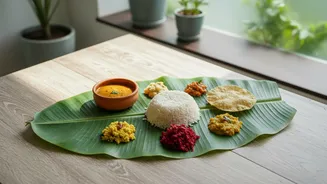
The most significant finding from this body of research is the sheer diversity of responses, not just between global populations, but within South Asia itself. One study highlighted how traditional diets, like those rich in dairy and grains in trans-Himalayan communities, are associated with unique gut bacteria adapted to those specific foods. Researchers found that geography and community affiliation explained more variation in gut microbes than just a simple rural-urban split. This means two people living in the same city, eating the same meal, could have vastly different metabolic reactions based on their unique microbial signatures, which have been shaped by generations of culture and diet. This explains why a diet that causes weight loss in one person might have no effect on another. It’s not about a lack of willpower; it’s about a fundamental difference in biology.
The South Asian Context Matters
Why is this research so important for India? The region is experiencing a rapid rise in cardiometabolic disorders like type 2 diabetes, heart disease, and obesity. Simultaneously, urbanisation is changing diets, often shifting away from fibre-rich traditional foods towards ultra-processed options high in sugar. One study found that for Indo-Canadians, ultra-processed foods made up over 60% of daily calories, compared to just 12% for Indians living in India, leading to a loss of beneficial gut bacteria. The new research shows these lifestyle shifts have different effects on different communities. For example, some groups have gut microbes that help them digest wheat and dairy, even without the common genetic mutation for lactase persistence found in Europeans. This suggests their microbiomes have adapted over time. Understanding these unique, local adaptations is the first step toward tackling public health challenges in a way that is relevant to the population.
The Main Check: Your Personal Biology
So, what is the 'main check' for readers? It is the vital realization that your body is the ultimate authority. The era of blindly following a universal diet plan is over. The research empowers you to be skeptical of one-size-fits-all wellness trends. The 'check' is a reminder to pay closer attention to how you personally feel after eating certain foods. This shift toward personalized nutrition is not about expensive, niche wellness models but about making public health more targeted and effective. It’s about understanding that the needs of an adolescent girl, a pregnant woman, or an elderly person are all different, and their gut microbiomes reflect that. Your diet and health are not a standardized test; they are a personalized conversation between your food, your genes, and the unique microbial world within you.
What Should You Do Now?
This doesn't mean you should abandon all dietary advice. Instead, it suggests a more mindful approach. Focus on traditional, diverse diets rich in fibre and fermented foods, which have been shown to support a healthy gut. Pay attention to your body’s signals—bloating, energy levels, and overall well-being—after meals. While we are still years away from truly personalized nutrition plans being widely available, this research is the foundation. Scientists are now working to connect specific microbes to specific diseases, which could eventually lead to therapies that alter the gut microbiome. For now, the best strategy is to embrace the diversity on your plate, honour traditional food wisdom, and listen to the most accurate health expert you have: your own body.