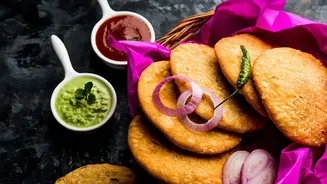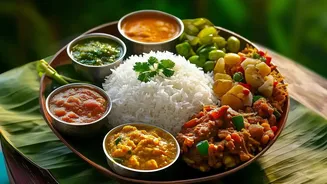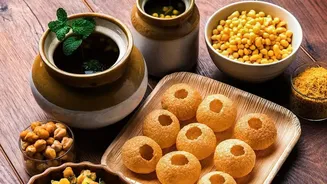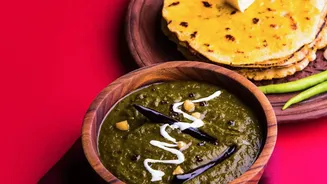






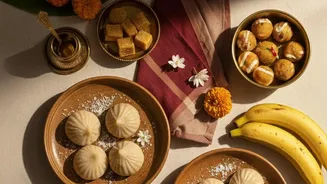
The taste of home is making a comeback. From forgotten pickles to festival sweets, artisanal brands are reviving India's regional food traditions. This isn't just about nostalgia; it's a story of savvy business and cultural pride.
A Craving for Authenticity and Wellness
The demand for regional
delicacies is being driven by a significant shift in consumer behaviour. In a post-pandemic world, there is a heightened awareness of health, wellness, and the origin of our food. Consumers are increasingly turning away from mass-produced products with complex supply chains, seeking out foods they perceive as more natural and trustworthy. This has created a perfect opening for brands offering products rooted in tradition. There's a powerful element of 'regional taste nostalgia' at play, where familiar flavours evoke strong emotional connections to home, family, and cultural identity. This desire for authenticity isn't just about taste; it's about connecting with a story and a sense of belonging that larger, national brands often struggle to provide.
The Digital-First Playbook
The rise of these artisanal brands would be impossible without the internet. By adopting a Direct-to-Consumer (D2C) model, entrepreneurs can bypass the high costs and logistical challenges of traditional retail. Social media platforms like Instagram and Facebook have become their primary storefronts and marketing channels. Through vibrant photos, behind-the-scenes videos of the cooking process, and collaborations with food influencers, these brands build a community and tell their story directly to a niche, engaged audience. This digital approach allows them to reach customers across the country who are searching for specific regional products, whether it's authentic Kerala banana chips or preservative-free ice pops.
Selling Stories, Not Just Products
For these brands, marketing is less about advertising and more about storytelling. They are not just selling a packet of masala; they are selling the story of a specific region's heritage, a grandmother's secret recipe, or the cultural significance of a particular dish. This narrative is woven into every aspect of the brand, especially the packaging. Thoughtful design, which often incorporates local motifs, traditional patterns, and artisanal aesthetics, communicates authenticity and quality before the customer even tastes the product. Brands are finding that consumers are willing to pay a premium for products that offer this emotional connection and a tangible link to Indian heritage.
From Local Kitchens to National Pantries
Success stories abound, illustrating the power of this model. Brands like Patil Kaki offer home-style snacks that focus on preserving traditional recipes with hygienic preparation. Others, like Lahori, started from a home kitchen in Punjab to build a new category with its bottled jeera soda. MasterChow successfully pivoted from a physical restaurant to selling bottled sauces during the lockdown, finding a huge market for premium pan_Asian cooking at home. These companies often start by serving a local community or diaspora craving the tastes of home, and then leverage scalable logistics and a strong digital presence to expand their reach nationwide.
The Road Ahead: Scaling with Soul
While the opportunity is immense, the path to growth is not without challenges. A key hurdle is scaling up production without compromising the 'artisanal' quality that defines the brand. Maintaining consistency, managing supply chains for locally sourced ingredients, and ensuring food safety are critical as operations expand. Furthermore, as the market proves to be lucrative, these smaller brands will increasingly face competition from FMCG giants who are now adapting their own strategies to cater to the demand for regional products. The brands that succeed will be those that can automate and streamline their processes for growth while staying true to the authentic story and quality that earned them their initial following.