
What is Lippan Kam?
Lippan Kam, which translates to “mud work” or “plastering work” in Gujarati, is a traditional mural craft originating from the Kutch region of Gujarat. Also known as mud-and-mirror work, this art form was traditionally practiced by women of the pastoral
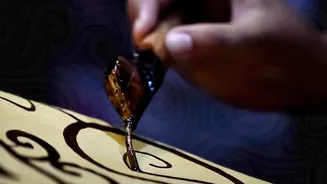
communities, such as the Rabari, to decorate the interior and exterior walls of their circular mud houses, called 'bhungas'. Using their fingers, they would sculpt intricate, geometric, and nature-inspired motifs—like peacocks, camels, and flowers—in bas-relief. The most defining feature is the embedding of small, shimmering pieces of mirror, or 'aabhla', which catch the light and brighten up the interiors.
The Soul of Sustainability
At its heart, Lippan Kam is an inherently eco-friendly art form. Traditionally, the primary material was a pliable mixture of clay and camel or wild ass dung, which acted as a natural binding agent. This mixture was not only locally available and biodegradable but also served a functional purpose. The thick mud relief work provided excellent insulation, helping to keep homes cool in the scorching desert summer and warm during winter nights. The mirrors, often repurposed glass, were strategically placed to reflect the dim light from a single lamp, illuminating the entire home.
From Rural Walls to Urban Lofts
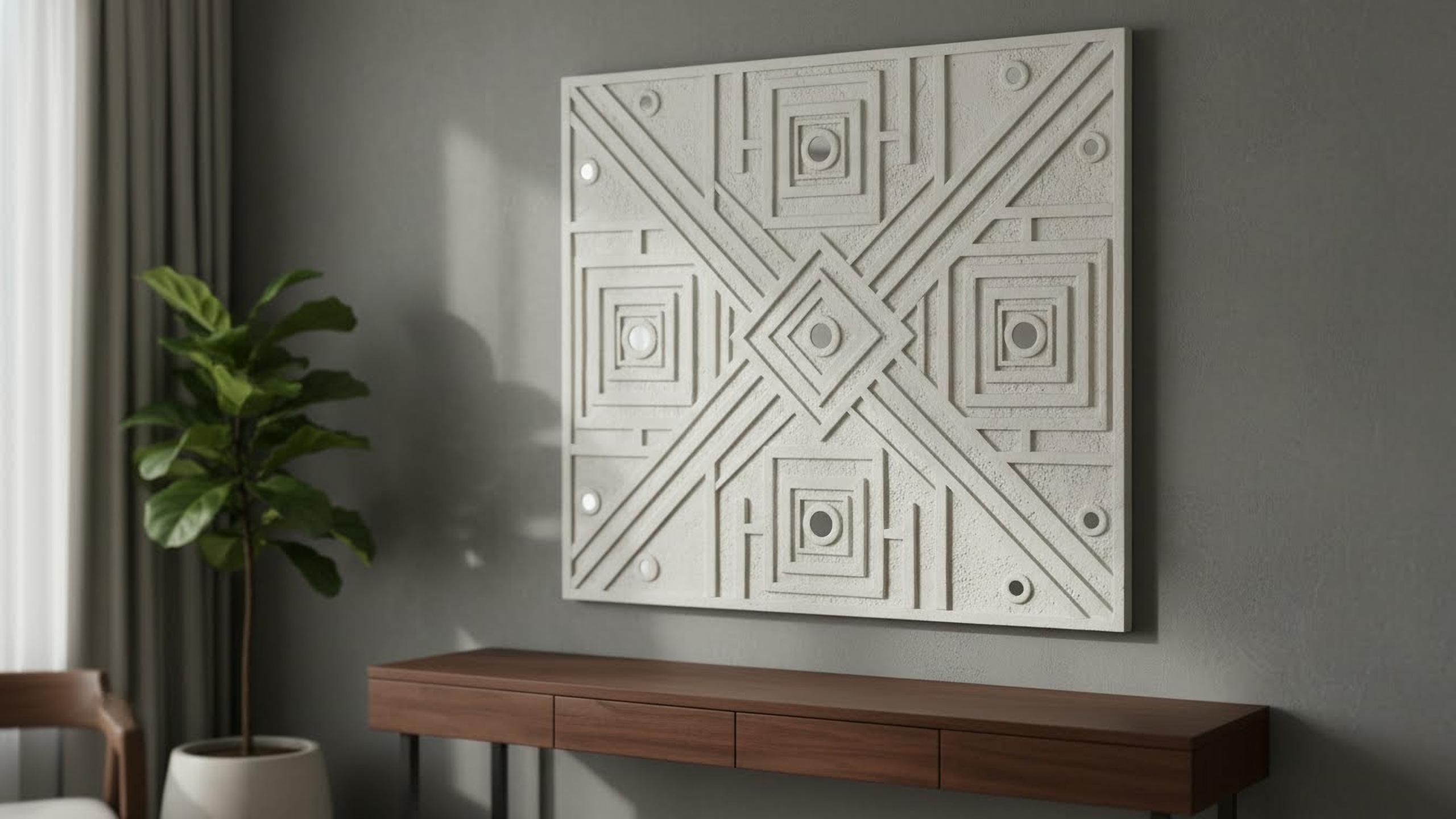
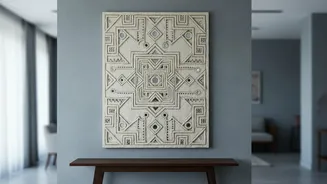
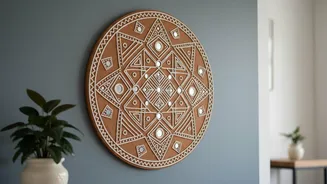
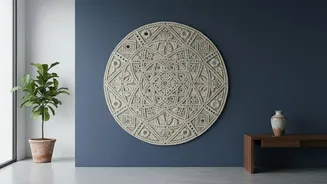
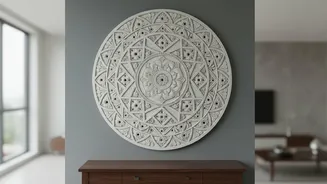
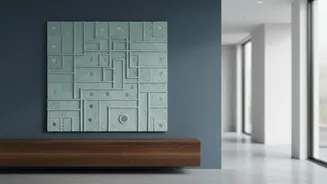
The very thing that made Lippan Kam so unique—being part of a home’s walls—also limited its reach. Today, however, the art form has undergone a remarkable transformation to suit modern urban living. Instead of being sculpted directly onto walls, artisans now create Lippan art on portable wooden or MDF boards. This allows city dwellers to hang these stunning panels just like any other piece of wall art, bringing the craft's rustic charm into contemporary apartments without any permanent structural changes. While traditionalists still use natural clays, many modern artisans have adapted their materials, using eco-friendly air-dry clays and adhesives to make the art more durable and accessible for a wider audience.
Aesthetic and Cultural Appeal
The appeal of Lippan art in an urban setting is multifaceted. For one, it offers a powerful antidote to mass-produced decor. Each panel is handcrafted, ensuring that no two pieces are exactly alike. The combination of earthy, textured clay and glistening mirrors creates a visual interplay that is both rustic and sophisticated. It fits seamlessly into various interior design styles, from minimalist and bohemian to contemporary, adding a layer of texture and a unique focal point. Beyond its beauty, owning a piece of Lippan art is a way to connect with a rich cultural heritage and support the artisan communities that are keeping this centuries-old tradition alive.
Bringing Lippan Art Home
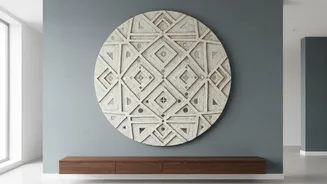
Integrating this traditional art into your apartment is surprisingly easy. A large, circular Lippan panel can serve as a stunning statement piece in a living room, while smaller panels can be grouped together to create an eye-catching gallery wall in a hallway or bedroom. Many artists also create Lippan-adorned mirrors, storage boxes, and other decorative items. With its growing popularity, authentic pieces are now available through online marketplaces and platforms dedicated to promoting Indian handicrafts. For the creatively inclined, DIY Lippan art kits have also become widely available, offering a hands-on way to engage with the craft and create a personalised piece for your home.