



The Great Skin-Forward Shift
The world of makeup is experiencing a significant evolution, moving away from the heavy, full-coverage looks that once dominated. Consumers and artists alike are embracing a philosophy that celebrates real skin, with all its unique textures and tones.
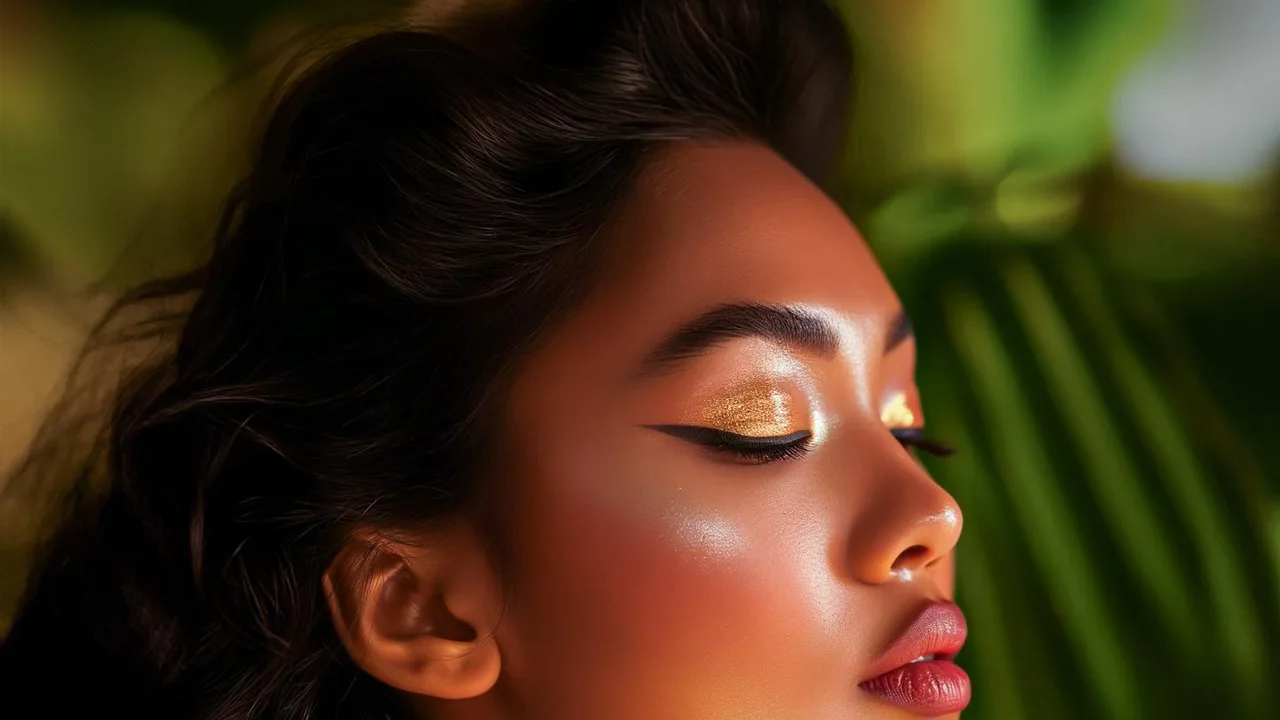
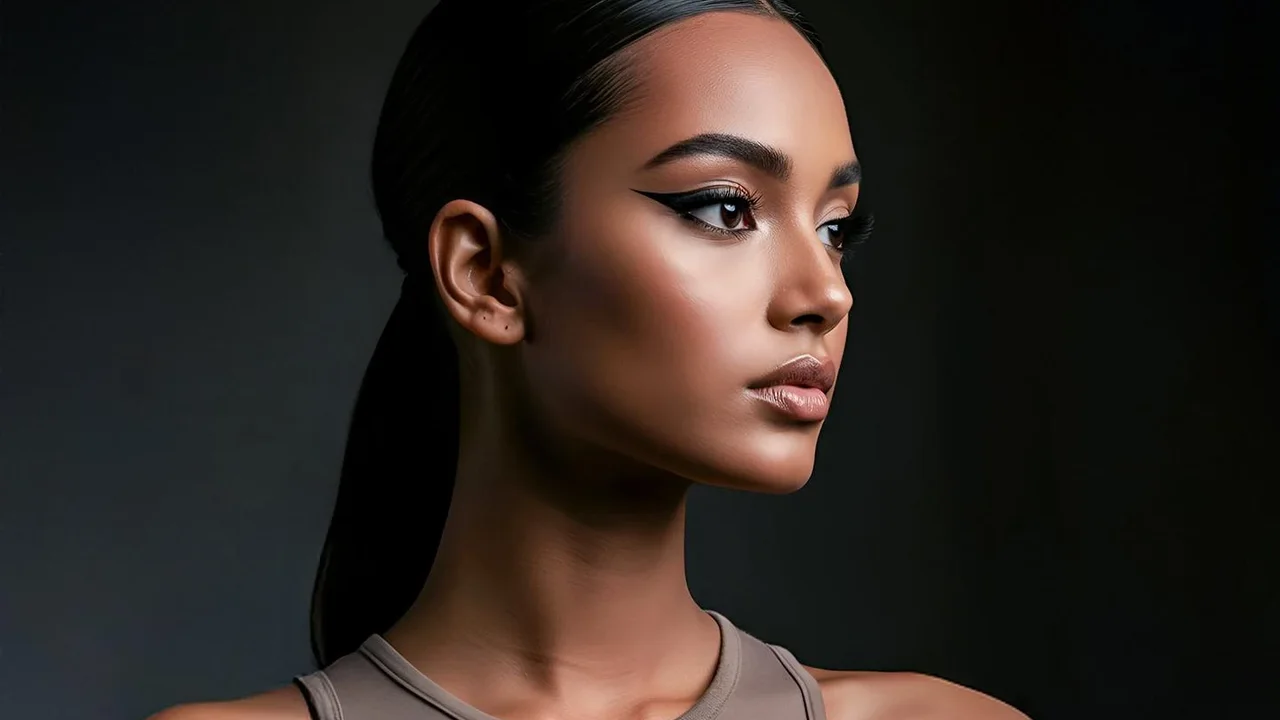
This cultural shift favours makeup that enhances rather than conceals, focusing on creating a luminous, healthy-looking complexion that appears fresh and hydrated. The harsh, flat matte finishes of the past are being replaced by soft-focus, blurred effects that refine the skin without masking its natural dimension. This move isn't about rejecting makeup, but about using it more intentionally to achieve a polished, yet effortlessly wearable look. The goal is no longer about achieving a flawless mask, but about letting your own skin shine through, only better.
Meet the 'Invisible' Bases
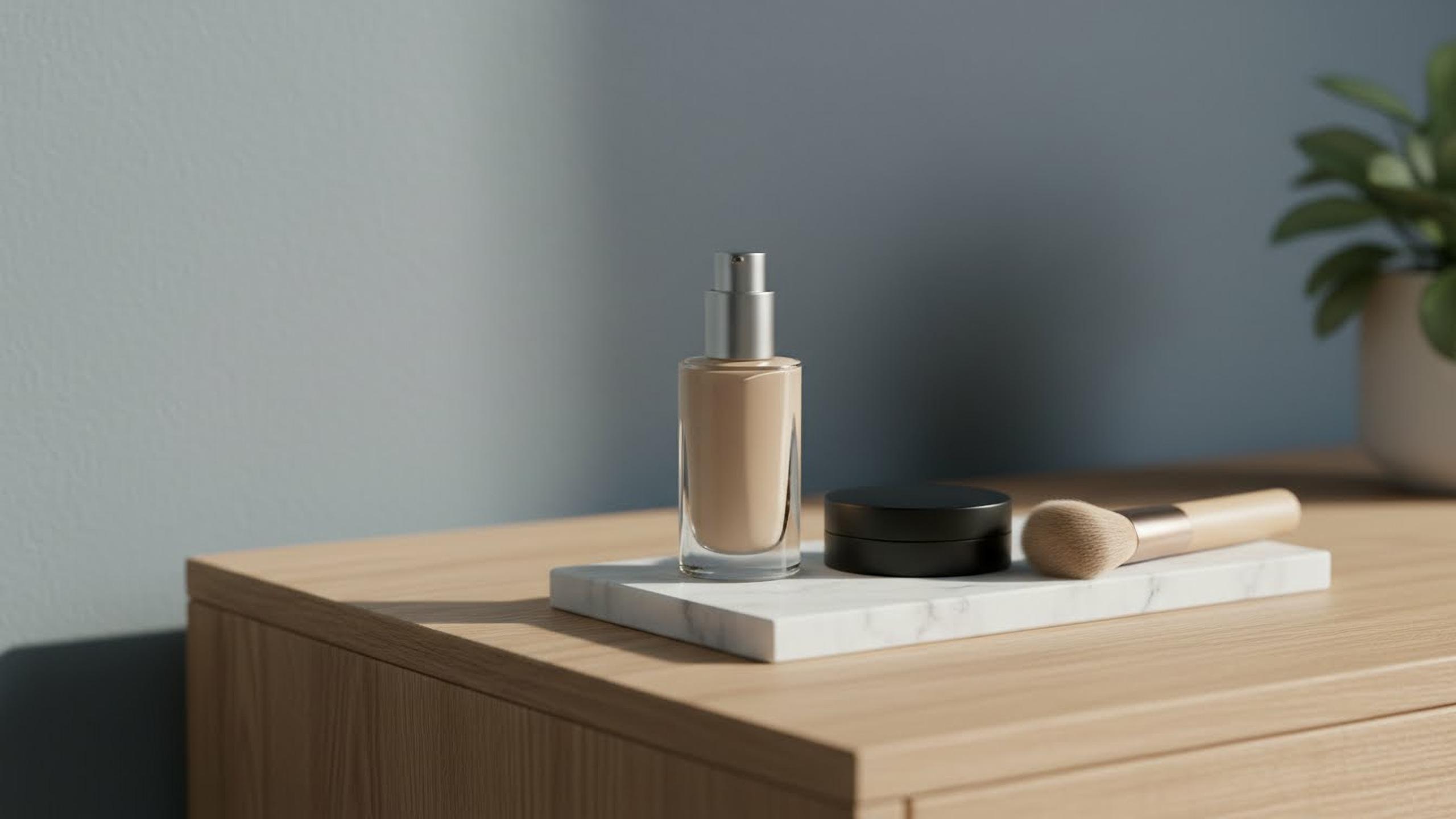
The heroes of this new trend are hybrid products that merge high-performance skincare with lightweight pigments. These are not your traditional foundations. Instead, look for terms like 'skin tint', 'serum foundation', or 'tinted oil'. A skin tint typically offers the sheerest whisper of colour, perfect for subtly evening out skin tone without providing heavy coverage. Serum foundations go a step further, combining the benefits of a potent skincare serum—often packed with ingredients like hyaluronic acid and antioxidants—with light, buildable pigment. These formulations are usually thin, fluid, and feel weightless, sinking into the skin much like a moisturiser for a 'your skin but better' effect. The technology behind them uses advanced, breathable polymers and micro-encapsulated pigments that spread evenly without feeling thick or suffocating.
How to Find Your Perfect Match
Choosing the right formula depends on your skin type and desired finish. For those with oily or combination skin, modern lightweight foundations can offer a natural matte or 'cloud skin' finish—a soft, velvety texture that controls shine without looking dry or chalky. If you have dry skin, a hydrating serum-infused foundation will be your best friend, providing a dewy, radiant glow while nourishing your skin with active ingredients. When it comes to shade, many of these new formulas are more forgiving than their full-coverage counterparts. Some even feature adaptive shade technology that adjusts to your specific skin tone for a seamless match. However, with many Indian brands still offering a limited shade range, it's crucial to test the product in natural light to ensure it complements your undertones and doesn't leave a white cast.
Application Is Everything
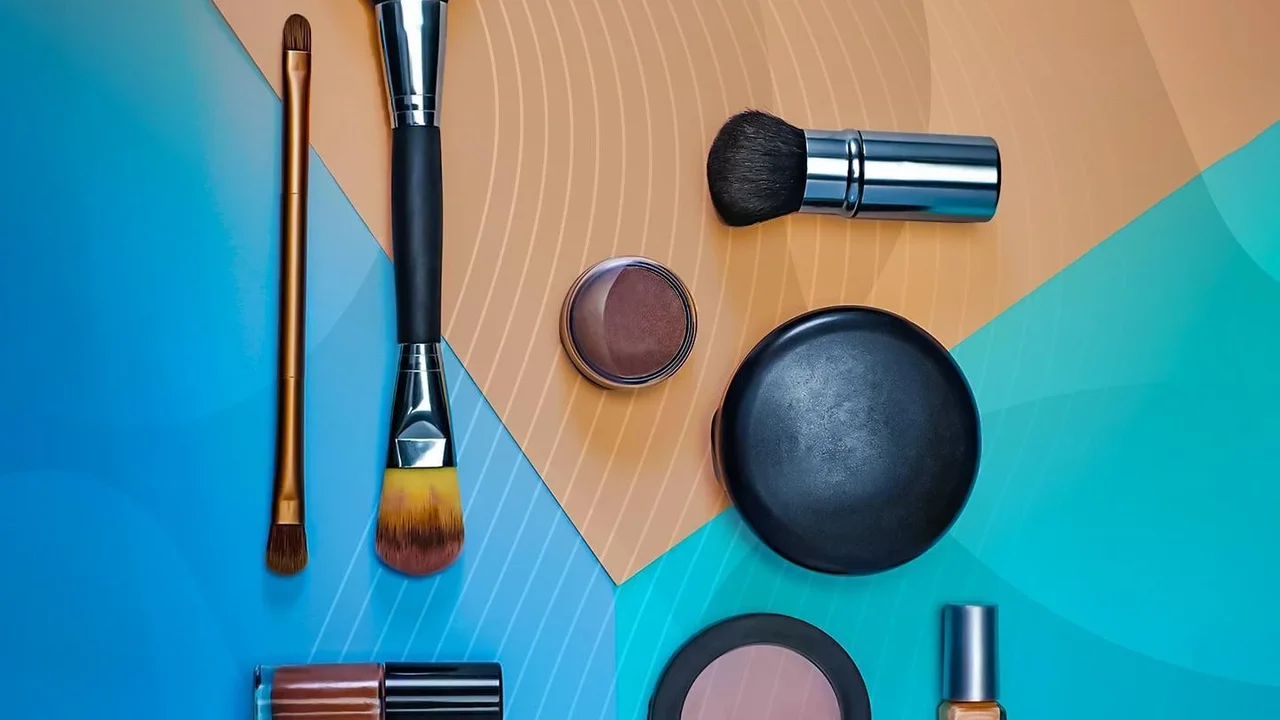
To achieve a truly invisible finish, how you apply your base is just as important as the product you choose. For the most natural, skin-like look, use your fingertips. The warmth of your hands helps to melt the product into your skin, blending it seamlessly. Start with a very small amount and build coverage only where you need it, such as in the centre of the face or over areas of redness. For a more polished, airbrushed effect, a damp makeup sponge is an excellent tool. It sheers out the product and presses it into the skin for a refined, silky glow. A brush can also be used, but opt for a stippling or buffing brush and use light, circular motions to avoid streaks. The key is to blend, blend, blend until there are no discernible lines between the product and your skin.
Is the Invisible Look for Everyone?
While the trend toward sheerer coverage is a beautiful celebration of natural skin, it's fair to ask if it works for everyone. These products are ideal for those who are generally happy with their skin and are looking for a light touch to even things out and add a bit of polish. They provide enough coverage to minimise minor discolouration and redness, creating a healthy, unified complexion. However, for those dealing with significant acne, scarring, or hyperpigmentation they wish to conceal, a sheer skin tint might not provide the desired level of coverage. That doesn't mean the trend is off-limits. You can still embrace the philosophy by using a lightweight base all over and then spot-concealing with a higher-coverage product only on the specific areas that need it. This 'pinpoint concealing' technique allows you to get the coverage you want while still letting the rest of your natural skin show through.