


The Rise of the Visual Feast
In the last decade, social media has profoundly changed how we dine. Image-centric platforms, led by Instagram, have turned every meal into a potential viral moment. This has given birth to the concept of 'Instagrammable' food, where the visual appeal
of a dish is as important, if not more so, than its taste. With a significant percentage of diners, particularly millennials and Gen Z, using platforms like Instagram to discover new restaurants, establishments have had no choice but to adapt. A visually striking dish is no longer just a bonus; it's a powerful marketing tool. The phenomenon is simple: diners see a beautiful plate of food online, feel a sense of FOMO (fear of missing out), and are motivated to visit the restaurant to experience it themselves.
Your Order Is Now a Marketing Tool
The core reason restaurants design dishes for digital sharing is simple: free advertising. Every customer with a smartphone is a potential content creator and marketer for the brand. When a diner posts a photo of a stunning meal, they are providing an authentic, user-generated endorsement to their followers. This organic reach is often more powerful and cost-effective than traditional advertising. Some studies show that a vast majority of consumers research restaurants online before visiting, and a restaurant's social media presence heavily influences their decision. By creating a dish that is inherently shareable, a restaurant encourages this digital word-of-mouth, building brand recognition and driving foot traffic without spending a rupee on ad space.
The Science of a 'Gram-Worthy' Dish
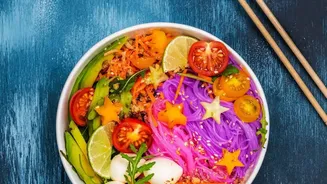
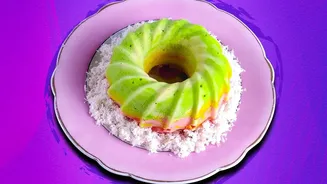
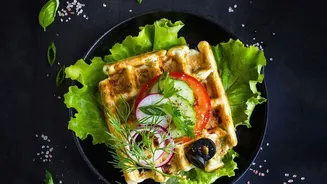
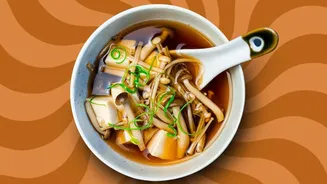
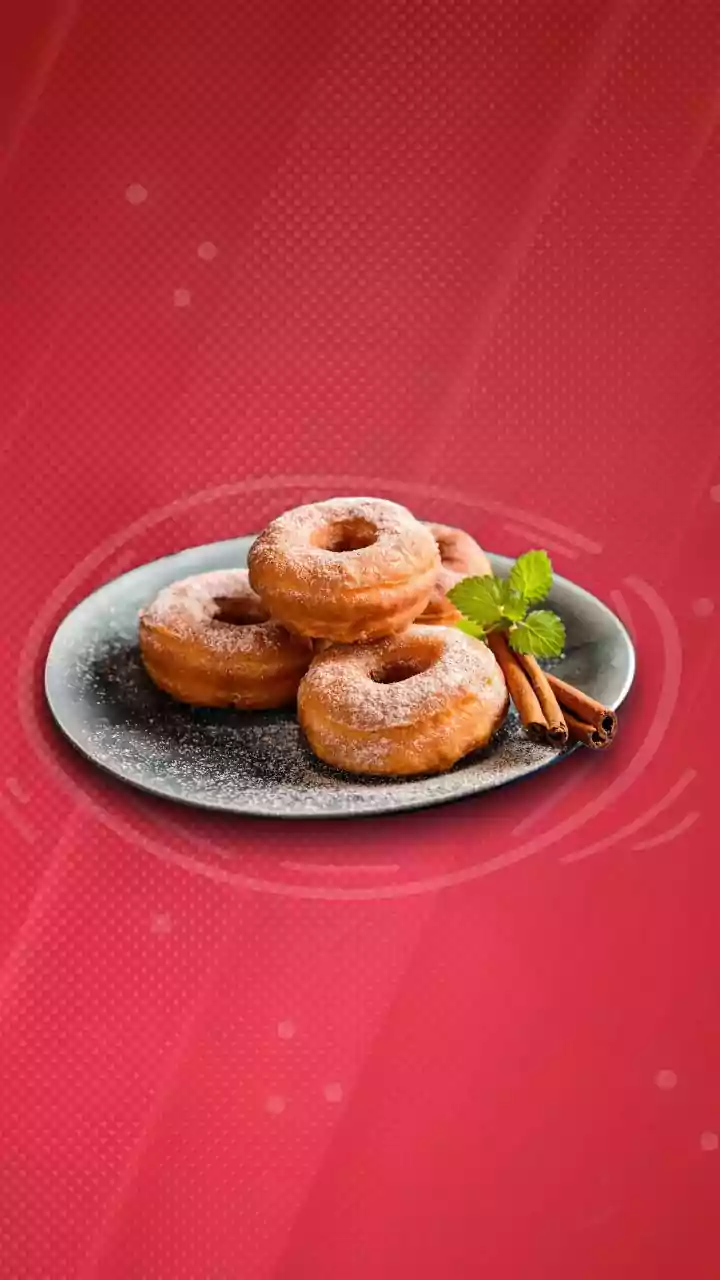
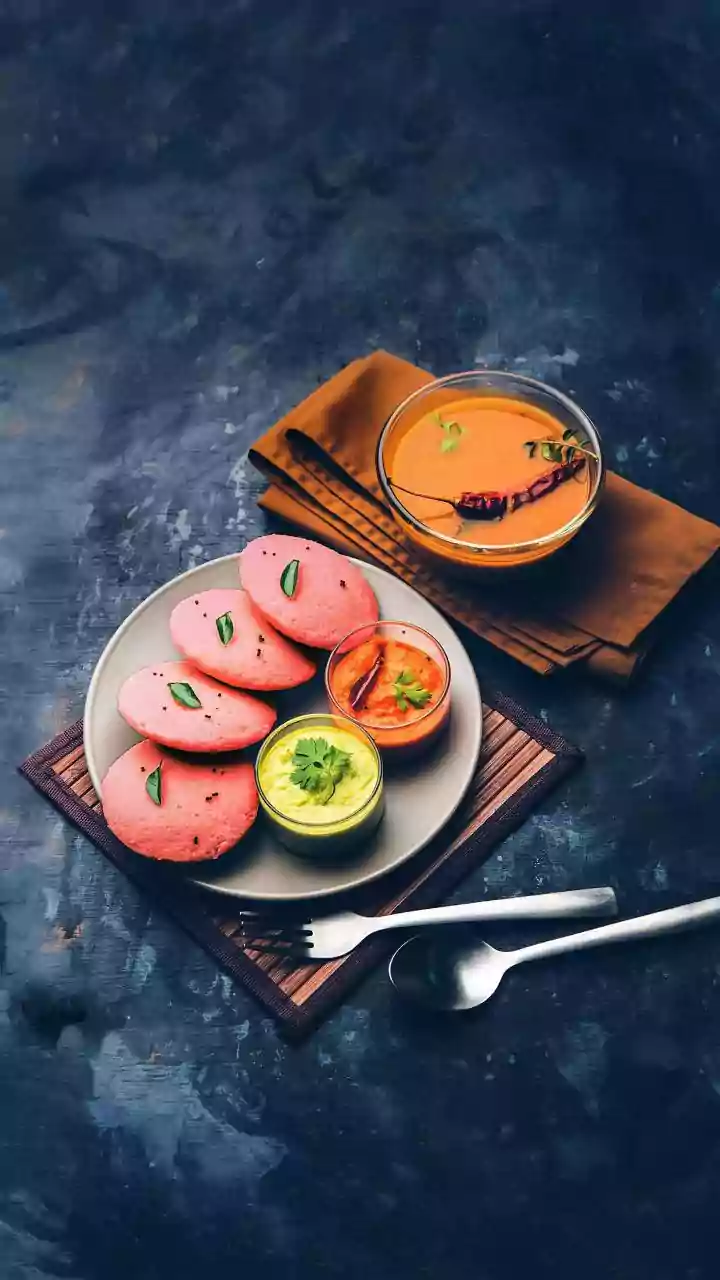
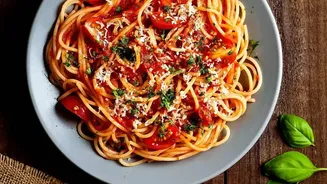
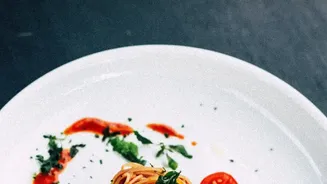
Creating a photogenic dish is both an art and a science. Chefs and menu designers now think like food stylists, employing specific techniques to make their creations pop on a small screen. Bright, contrasting colours are key, as they signal freshness and quality to the brain. This has fueled trends like rainbow-coloured foods, unicorn-themed desserts, and the use of vibrant ingredients like ube or butterfly pea flower. Another strategy involves texture and unique forms, such as deconstructed classics, charcoal-infused 'goth' foods, or interactive elements like smoke-filled cloches or melting chocolate spheres. Even the plateware is chosen with care; slate slabs or plates with complementary colours can make a dish stand out. The goal is to create a visual hierarchy that draws the eye and makes the dish instantly compelling.
The Psychology of the Digital Diner
The trend isn't just driven by restaurants; it's fueled by our own psychological needs. Sharing photos of food is a form of self-expression and personal branding—it tells a story about who we are and what we value. Posting a picture of an artful dish from a trendy restaurant can signal good taste and social status. For many, it's also about creating a shared experience and fostering connection. Interestingly, some research suggests that the ritual of taking a photo before a meal can actually increase our anticipation and make the food taste better. This act of documentation satisfies a need for validation and creates a visual diary of our pleasurable experiences.
When Taste Takes a Backseat
However, this focus on aesthetics is not without criticism. A common concern is that in the race for the most likes, the actual flavour and quality of the food can become secondary. Dishes designed to be visually extreme, like overloaded milkshakes or items saturated with food colouring, may look incredible but can be overwhelming or bland to eat. Critics argue that some 'Instagrammable impostor' restaurants generate immense initial buzz with photogenic but mediocre food, only to fade away once the novelty wears off. There's a growing conversation around finding a balance, ensuring that the substance of a meal lives up to its style. After all, while a photo might bring a customer in once, it's the quality of the food and the overall experience that ensures they return.