







The Promise: A Perfectly Optimised Day
Imagine a world with no more back-and-forth emails trying to find a 30-minute slot that works for five people. Picture your calendar automatically protecting blocks of 'deep work' time, ensuring you can actually focus without constant interruptions. This
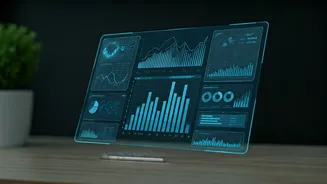
is the utopia sold by advanced automated scheduling networks. These are not just simple calendar apps; they are intelligent systems powered by AI that analyse the calendars of entire teams or companies. Their goal is to orchestrate schedules seamlessly, finding the optimal time for meetings, prioritising tasks, and even ensuring you get a lunch break. The promise is revolutionary: to eliminate the mental load of time management and give employees back their most valuable resource—focus.
How This AI Actually Works
Companies like Reclaim.ai, Clockwise, and Asana are embedding this intelligence into their platforms. The process is deceptively simple from the user's end. You connect your calendar and define your preferences: your ideal working hours, how much focus time you need per week, and how you rank the importance of different meeting types. The AI then gets to work. It scans everyone's availability and commitments, understands the flexibility of each event (e.g., a one-on-one is more movable than a board meeting), and shuffles calendars accordingly. If a low-priority meeting is blocking a crucial focus session, the AI might automatically suggest a new time. It’s like having a hyper-efficient personal assistant for your entire team, constantly optimising for peak productivity and minimal friction.
Myth: Technology Will Solve Burnout
The headline claim is that this technology can 'wipe out' office exhaustion. Burnout has become an epidemic in corporate India, fuelled by long hours, high pressure, and an 'always-on' culture. The idea that a piece of software can solve this deeply human and systemic problem is incredibly appealing. If only our schedules were more efficient, the thinking goes, we wouldn't feel so overwhelmed. The technology promises to create the perfect balance, freeing us from the tyranny of the disorganised calendar and allowing us to finally breathe.
Reality: It Optimises the Work, Not the Workload
Here's the hard truth: burnout is rarely a time management problem. It's a workload and culture problem. An AI scheduler can make an 80-hour work week more efficient, but it's still an 80-hour work week. These tools are exceptional at optimising for the tasks they are given, but they can't question the tasks themselves. If a company's culture promotes overwork, the AI will simply become a tool to pack more 'optimised' work into every available minute. It can prevent meeting conflicts but can’t prevent a manager from setting unrealistic deadlines. Instead of curing burnout, it risks making unsustainable workloads more manageable, thereby hiding the root cause and delaying real cultural change. A smarter schedule doesn't help if the volume of work is the core issue.
Myth: You Regain Control of Your Time
Another major selling point is autonomy. By setting your preferences for focus time and working hours, you are supposedly telling the machine how you want to work. The algorithm respects your boundaries, giving you back control from chaotic, meeting-heavy days. You are no longer a passive victim of others' meeting invitations; you are the master of your own schedule, with the AI acting as your loyal guardian.
Reality: The Algorithm Becomes the New Boss
Handing your schedule over to an algorithm means you lose the human element of negotiation. Previously, you could have a conversation with a colleague to move a meeting, explaining your context. Now, you’re arguing with a system that has already decided the 'optimal' path based on preset rules. And who sets those rules? Typically, the company does. The AI might be configured to always prioritise a manager's schedule over a junior employee's focus time. What happens when your 'protected' focus block is repeatedly overridden for 'high-priority' meetings defined by management? Instead of empowering you, the algorithm can become an invisible, inflexible authority figure that dictates your day. It introduces a new layer of digital bureaucracy, where efficiency trumps empathy and context.