



A Celestial Double Feature
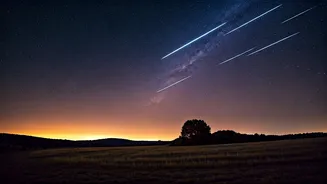
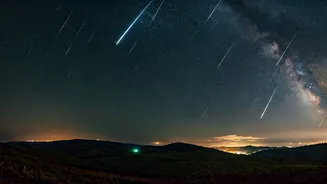
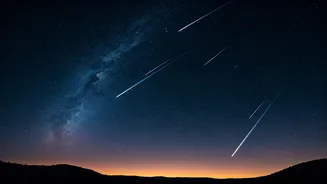
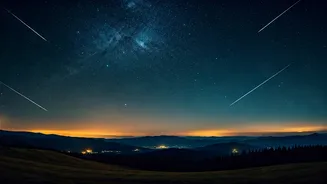
The end of July 2026 offers a rare treat for skywatchers: two meteor showers peaking at the same time. The Southern Delta Aquariids and the Alpha Capricornids are both set to reach their maximum activity on the night of July 30-31. The Southern Delta Aquariids is
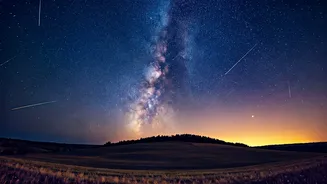
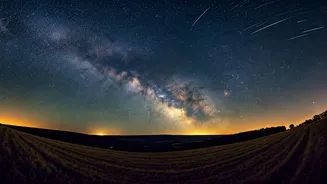
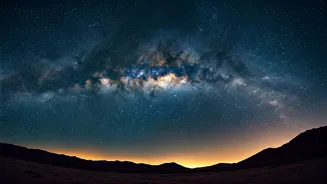
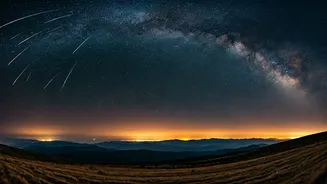
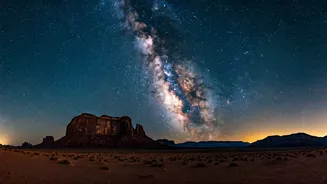
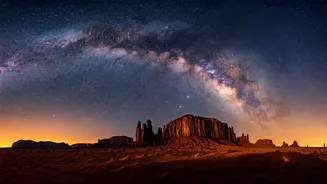
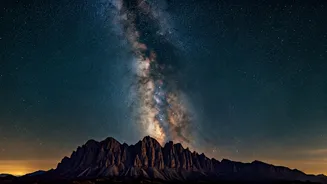
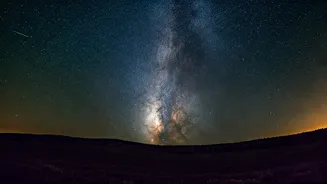
an average shower, capable of producing up to 25 meteors per hour under ideal conditions, though they are often faint. The Alpha Capricornids shower is less active, with only about five meteors per hour, but it's known for producing exceptionally bright and sometimes colourful fireballs. The combination means you have a chance to see both faint, streaking meteors and a few spectacular, memorable ones on the same night. This period is also an excellent time to view the core of our own galaxy, the Milky Way, which appears as a luminous, cloudy band stretching across the southern sky.
The Challenge: A Bright Moon
There is a significant catch for this year's shows. The full "Buck Moon" occurs just two days before the meteor shower peaks, meaning the sky will be illuminated by a nearly 98% full moon for most of the night. This bright moonlight will act as a form of natural light pollution, washing out many of the fainter meteors from the Delta Aquariids. However, all is not lost. The Alpha Capricornids are famous for their bright fireballs, which can be vivid enough to punch through the lunar glare. Your best bet is to be patient and focus on the potential for these brighter meteors. The hours just before dawn, after the moon has set or is low on the horizon, will offer the darkest conditions and the best viewing opportunities.
Escaping the City's Glow
The biggest obstacle for most people is artificial light pollution. The constant glow from streetlights, buildings, and vehicles creates a haze that obscures all but the brightest celestial objects. To truly experience a meteor shower, finding a dark sky location is essential. This doesn't necessarily mean a cross-country expedition. Often, a 30 to 60-minute drive outside a major city can make a dramatic difference. Look for parks, nature reserves, or even quiet rural roads that are shielded from direct city lights by hills or trees. The goal is to find a spot with a wide, unobstructed view of the sky, away from the immediate glare of any single light source. Allow your eyes at least 20-30 minutes to fully adapt to the darkness; this will dramatically increase the number of stars and meteors you can see.
Finding Dark Skies in India
India, with its diverse geography, offers numerous locations to escape the city lights. For those seeking the absolute best, the high-altitude deserts of Ladakh and Spiti Valley in Himachal Pradesh are world-class stargazing destinations, offering some of the darkest skies accessible. In fact, Hanle in Ladakh is India's first designated Dark Sky Reserve. For more accessible options, consider the salt flats of the Rann of Kutch in Gujarat, the sand dunes outside Jaisalmer in Rajasthan, or the coffee plantations of Coorg in Karnataka. National parks like Pench and Kanha in Central India, or wildlife sanctuaries like Binsar in Uttarakhand, also provide dark skies away from urban centres. Even hill stations or the outskirts of smaller towns can offer a significant improvement over city viewing.
How to Prepare for Your Night Out
You don't need expensive equipment to enjoy a meteor shower; the best tool is your own eyes. Binoculars and telescopes have a narrow field of view, making them impractical for catching the fleeting streaks of meteors. The most important thing is to be comfortable. Bring a blanket or a reclining lawn chair so you can lie back and look up without straining your neck. Pack warm clothes, as even summer nights can get chilly, along with some snacks and a warm drink. A red-light torch is helpful for finding your way around without ruining your night vision—you can easily make one by covering a regular torch with red cellophane. Finally, be patient. Meteor watching involves waiting, so settle in and enjoy the quiet majesty of the night sky.