



Choose Rain-Loving Plants
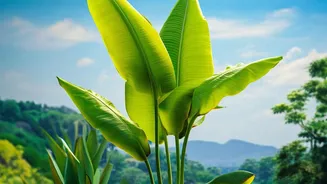
The single most important decision for a successful monsoon garden is plant selection. Some plants thrive in the high humidity and consistent moisture, while others are prone to rot. Opt for monsoon-friendly varieties that love a good drenching. Flowering
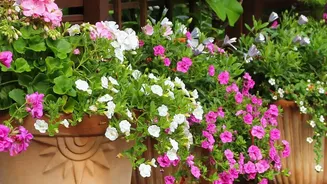
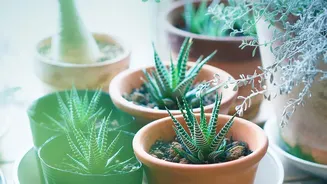
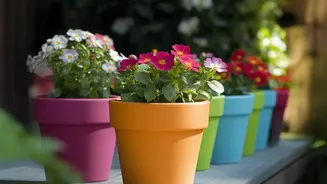
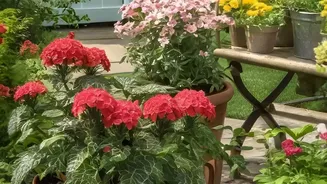
plants like hibiscus, balsam, rain lily, and periwinkle (sadabahar) bloom profusely during this season. For fragrant evenings, consider jasmine (mogra). If you prefer foliage, plants like coleus, areca palm, and money plants grow vigorously in the humid conditions. Herbs such as mint, lemongrass, and tulsi also do very well, providing fresh additions to your kitchen. Conversely, succulents, cacti, and jade plants should be moved to a sheltered spot to protect them from excessive water.
Prioritise Drainage Above All Else
Waterlogging is the number one enemy of container plants during the monsoon. Every pot must have unobstructed drainage holes at the bottom. Before the season starts, it's a good practice to check these holes, as they can get clogged with compacted soil or roots over time. A simple trick to improve drainage is to elevate your pots using pot feet, bricks, or a plant stand. This small gap allows excess water to flow away freely and prevents the pots from sitting in puddles, which can cause root rot. When potting, use a well-aerated soil mix. Adding materials like coco peat or coarse sand can prevent the soil from becoming a dense, water-retaining block.
Rethink Your Watering Schedule
The most common mistake during the rainy season is overwatering. With regular showers, your plants will need far less manual watering. Never water on a fixed schedule. Instead, check the soil by touching it; if the top inch feels dry, then it might be time to water, but if it's moist, leave it be. On days with continuous, heavy rain, your plants may not need any additional water for a week or more. Remember that pot saucers or trays can collect water and become breeding grounds for mosquitoes. It's best to remove them for the season or ensure you empty them daily.
Guard Against Pests and Diseases
High humidity creates the perfect environment for fungal diseases and pests. Powdery mildew, which appears as white dusty patches on leaves, is very common. To prevent this, ensure good air circulation by not crowding your plants too closely together. Regularly inspect your plants, especially the undersides of leaves, for common monsoon pests like aphids, mealybugs, and slugs. Keeping your pots free of fallen leaves and debris can also help, as this wet material can encourage fungal growth and hide pests. For control, a simple spray of neem oil solution can work as a natural and effective preventative measure.
Provide Shelter from the Storm
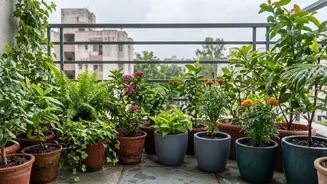
While monsoon showers are beneficial, intense downpours and strong winds can damage delicate plants. If your balcony is exposed, consider grouping smaller pots together behind larger, sturdier ones for protection. You can also move more fragile plants closer to the wall or under an overhang during a heavy storm. Taller plants or those with slender stems might need support. Use small stakes or ties to prevent them from bending or snapping in gusty winds. This little bit of structural support can make all the difference between a plant that thrives and one that struggles.