






A Delicious New Trend
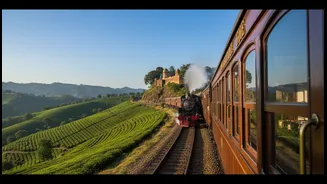
The way people travel across India is changing. While historical monuments and natural wonders remain popular, a new priority has emerged: food. Culinary tourism is experiencing a massive surge, with market analysts projecting the industry to grow significantly
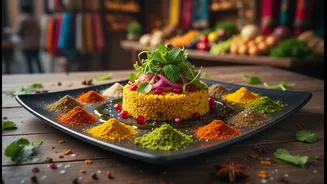
in the coming years. This isn't just about fine dining; it's about authentic, immersive experiences. Travellers, especially millennials and Gen Z, are driven by a desire for unique cultural encounters, and what’s more cultural than food? Social media has played a huge role, with food bloggers and influencers showcasing hyper-local dishes and inspiring a new generation to travel not just for a new profile picture, but for a new flavour profile. State tourism boards and private operators are responding, curating dedicated food trails that go beyond restaurants to include farm visits, cooking classes, and guided street food walks.
Royal Feasts in Rajasthan
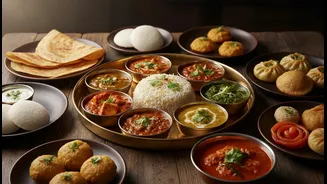
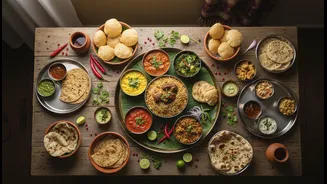
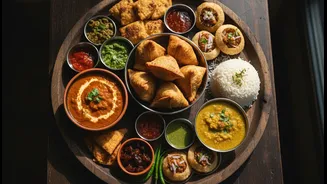
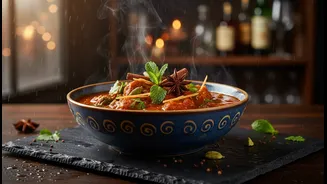
Rajasthan offers a journey into the kitchens of kings. The state's cuisine is as bold and vibrant as its culture, shaped by its arid climate and royal history. A food trail here is a lesson in flavour and tradition. Imagine starting your day with Pyaaz Kachori in Jaipur, a flaky pastry filled with spiced onions, before moving on to a traditional thali featuring Dal Baati Churma. The real star, however, is the legendary Laal Maas, a fiery mutton curry that was once a favourite of royals after hunting expeditions. Many tours now offer more than just tasting; you can join cooking classes in heritage havelis to learn the secrets of these age-old recipes or take guided street food crawls through the bustling lanes of Jaipur and Udaipur to sample local delights like Mirchi Bada.
Spice and Coast in Kerala
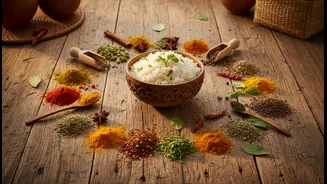
Down south, the food trails of Kerala offer a completely different, yet equally enchanting, experience. Known as 'God's Own Country', its cuisine is a rich tapestry of influences, from ancient Syrian Christian communities to Arab spice traders. A trail here is a sensory journey through spice plantations and coastal villages. Experiences range from feasting on a traditional Sadya served on a banana leaf to savouring fresh seafood at a coastal shack. You can learn to cook with fresh coconut and local spices in a family home or explore the distinct Mappila (Malabar Muslim) cuisine, famous for its Thalassery Biryani. From the famous Appam and stew for breakfast to the unique delicacies found in local toddy shops, Kerala's food is an exploration of its geography and history.
The Wazwan Wonders of Kashmir
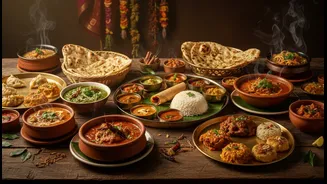
For the truly adventurous palate, a journey to Kashmir to experience the Wazwan is a must. More than just a meal, Wazwan is a multi-course culinary ritual, a symbol of Kashmiri hospitality and artistry. This grand feast traditionally consists of up to 36 dishes, prepared overnight by a master chef known as a 'Vasta Waza'. While traditionally reserved for weddings, many restaurants in Srinagar now offer a Wazwan experience. Guests are seated around a large copper platter called a 'trami' to share dishes like Rista (pounded meatballs in a fiery gravy), Rogan Josh, and the creamy Gushtaba, which signals the end of the feast. This trail is a deep dive into the Persian and Central Asian influences that have shaped the valley's unique food culture over centuries.
Beyond the Big Names
The beauty of India's food trails is their sheer diversity. You can follow the scent of fresh seafood and Portuguese-influenced dishes on a heritage walk through Goa’s Latin Quarter. In Amritsar, a trail could lead you from the world's largest community kitchen at the Golden Temple to dhabas serving buttery Amritsari Kulchas and creamy lassis. Lucknow's trails are steeped in the Nawabi legacy of slow-cooked kebabs and aromatic biryanis. Meanwhile, cities like Delhi and Mumbai offer chaotic, exhilarating street food trails (Khau Gallis) where you can sample dozens of unique snacks in a single evening. Each trail is an invitation to explore, connect with local communities, and understand the soul of a place in the most delicious way possible.