




Your Gut: The Second Brain
It might sound strange, but your gastrointestinal tract is often called a "second brain." This is because it's lined with millions of nerve cells and is in constant, two-way communication with your actual brain. This network, the gut-brain axis, is a bustling
highway of information, using nerves like the vagus nerve, hormones, and immune signals to chat back and forth. This conversation is profoundly influenced by the trillions of microorganisms living in your gut, collectively known as the microbiome. When this community is balanced, it supports clear thinking and emotional stability; when it's not, it can contribute to issues like anxiety, low mood, and trouble concentrating.
Fermentable Fiber: Fuel for a Happy Mind
Fermentable fiber is a type of dietary fiber that your body can't digest on its own. Instead, it travels to your large intestine where it becomes the perfect meal for your beneficial gut bacteria. These fibers are also known as prebiotics. As your gut microbes feast on these fibers, they produce powerful compounds called short-chain fatty acids (SCFAs), such as butyrate. These SCFAs are star players in the gut-brain connection. They help strengthen the gut barrier, reduce inflammation throughout the body (including the brain), and can influence the production of brain-derived neurotrophic factor (BDNF), a protein that is essential for the growth and maintenance of brain cells.
Probiotics: The Friendly Reinforcements
If prebiotics are the food, probiotics are the beneficial bacteria themselves. These are live microorganisms that, when consumed in adequate amounts, add to the population of good microbes in your gut. A healthy gut microbiome is crucial because it helps produce a surprising amount of the body's neurotransmitters—the chemical messengers that regulate how we feel. For example, about 90-95% of your body's serotonin, the "happiness molecule," is made in the gut, along with other key mood regulators like dopamine and GABA. By reinforcing the good bacteria, probiotics help ensure this vital production line runs smoothly, supporting better mood regulation and a calmer response to stress.
From Science to Your Shopping Cart
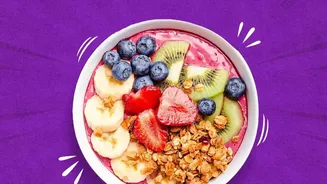
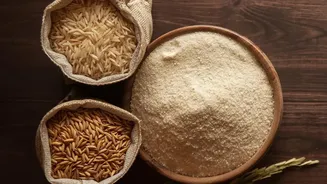
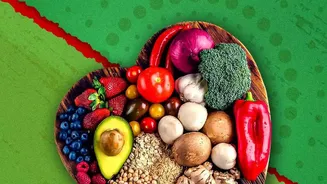
So, how do you put this knowledge into practice? It’s simpler than it sounds and starts with what you add to your grocery list. To increase your intake of fermentable fiber (prebiotics), focus on a colorful variety of plant-based foods. Excellent sources include onions, garlic, leeks, asparagus, bananas (especially when slightly green), oats, and beans. These foods provide the necessary fuel for your existing gut bacteria to thrive and produce those brain-boosting SCFAs.
Stocking Up on Probiotic Power
To introduce more beneficial bacteria directly, look for fermented foods that contain live and active cultures. Yoghurt and kefir are classic choices, but the options don't stop there. Consider adding kimchi (a spicy Korean fermented cabbage), sauerkraut (its European cousin), kombucha (a fermented tea), and miso (a fermented soybean paste) to your meals. These foods not only bring unique flavours but also deliver a dose of diverse microbes to support the complex ecosystem in your gut, which studies suggest may help improve cognitive function and lower stress.