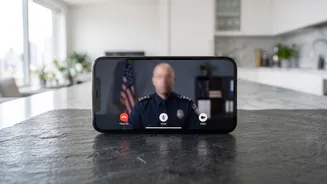







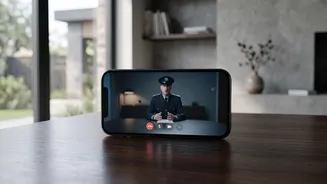

Imagine a call from someone claiming to be a CBI officer, accusing you of a crime and placing you under 'digital arrest'. This isn't a movie plot; it's a scam that has prompted cyber police across India to issue urgent public advisories.
What is 'Digital Arrest'?
First, it is crucial
to understand that a 'digital arrest' is not a real legal procedure in India. It is a term for a sophisticated cyber fraud where criminals impersonate officials from law enforcement agencies like the police, CBI, or Enforcement Directorate. The scammer contacts a victim, usually by phone or video call, and falsely claims the person is implicated in a serious crime, such as money laundering or drug trafficking. The goal is to create panic and extort money by threatening immediate arrest if the victim doesn't comply.
The Anatomy of the Scam
The fraud follows a chillingly effective script. It begins with an unsolicited call, where the scammer uses official-sounding jargon and may even provide a fake case number. To appear legitimate, they might use video calls with a backdrop resembling a police station or show forged ID cards and arrest warrants. The core tactic is psychological manipulation; they demand the victim stay on the call, sometimes for hours or even days, isolating them from family and friends who might recognize the fraud. This continuous surveillance is what they term the 'digital arrest'.
Why Police Are Raising the Alarm
Cyber police departments and national agencies are issuing advisories because of the scam's escalating frequency and the staggering financial losses involved. Collectively, victims across India are believed to have lost thousands of crores. The scams are no longer isolated incidents but are often run by organized transnational networks, with 'scam centres' located in Southeast Asian countries. These operations use advanced technology like SIM boxes to mask their locations, making them difficult to trace and prompting a large-scale response, including probes by the CBI under 'Operation Chakra'. The sheer volume of complaints and the severity of the financial and psychological damage have made public awareness a top priority for law enforcement.
How to Spot the Red Flags
Recognizing the warning signs is the best defence. Be immediately suspicious of any unsolicited call from someone claiming to be a law enforcement official who threatens you with arrest. A real government agency will never demand money transfers or 'settlement fees' over the phone to clear your name. Other major red flags include being pressured to act immediately, being instructed not to talk to anyone else, and being asked to provide sensitive information like bank details or OTPs. Remember, Indian law has no provision for arresting someone over a video call.
What to Do If You're Targeted
If you receive such a call, the most important thing to do is stay calm and not panic, as fear is the scammers' primary weapon. Do not follow any instructions. The best course of action is to disconnect the call immediately. Do not transfer any money or share any personal information. After disconnecting, block the number. You should then immediately report the incident to the National Cyber Crime Helpline by dialling 1930 or by filing a complaint on the official portal, www.cybercrime.gov.in. Informing your bank is also a critical step if you have shared any financial details.