


Your Visa-Free Entry Explained
For Indian citizens, the biggest hurdle for a spontaneous trip has been removed. As of September 2026, Malaysia offers visa-free entry for Indian passport holders for tourism and social visits of up to 30 days. This policy is in effect until at least
December 31, 2026. There's no visa fee to pay on arrival. However, this isn't a completely document-free pass. Before you fly, you must fill out the Malaysia Digital Arrival Card (MDAC) online, which should be completed within the three days prior to your arrival. At immigration, be prepared to show your passport with at least six months of validity, a confirmed return flight ticket, and proof of accommodation. It's also wise to have evidence of sufficient funds for your trip.
Getting There and In-Between
Your journey will likely start at Kuala Lumpur International Airport (KLIA). From there, navigating the capital is straightforward. To travel the 355 km stretch to Penang, you have three main backpacker-friendly options. The bus is the most economical choice, with tickets costing as little as $7-$14 and the journey taking about five to six hours. Numerous companies run services throughout the day and night from Kuala Lumpur's Terminal Bersepadu Selatan (TBS). The train offers a more scenic and slightly faster route, taking around four hours to reach Butterworth, the station on the mainland opposite Penang Island. From Butterworth, a short ferry ride will take you to George Town. A budget flight is the fastest option in terms of air time (about an hour), but once you factor in airport transfers and check-in, the total time is comparable to the train.
Kuala Lumpur: The Urban Jungle
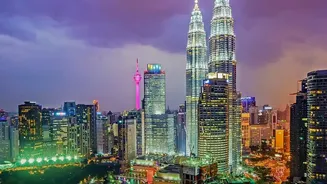
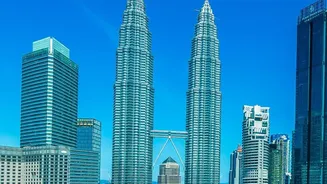
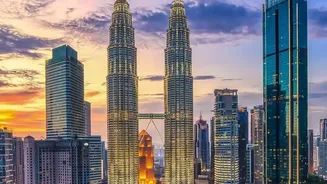
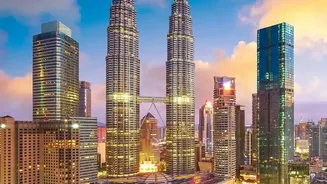
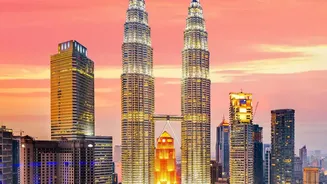
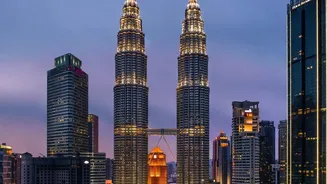
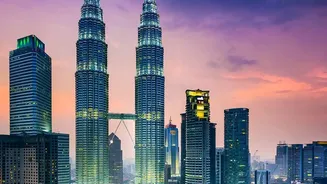
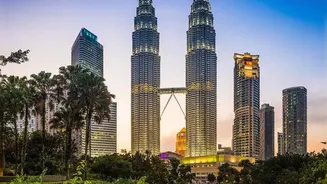
In Kuala Lumpur, base yourself in areas like Chinatown or Bukit Bintang, which are popular with backpackers and offer easy access to sights and public transport. Hostels like Mingle Hostel and Reggae Mansion are well-known for their social atmospheres. Your days in KL can be a mix of iconic sights and hidden gems. Marvel at the Petronas Twin Towers (viewing them from the adjacent KLCC Park is free and spectacular), and climb the 272 colourful steps at the Batu Caves, a stunning Hindu shrine just outside the city. For a dose of nature within the city, explore the Perdana Botanical Gardens or the KL Forest Eco Park. When it comes to food, explore the street food haven of Jalan Alor or the bustling markets of Chinatown on Petaling Street.
Penang: Heritage and Hawker Food
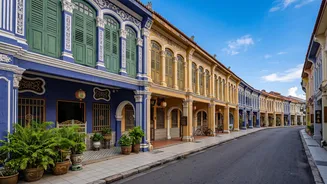
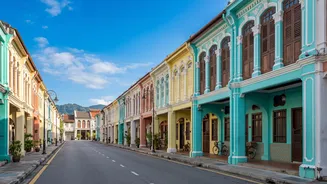
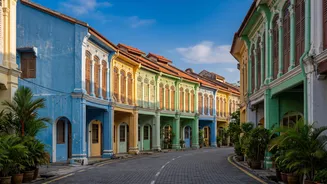
In Penang, the heart of the backpacker scene is George Town, a UNESCO World Heritage Site. The areas around Love Lane and Chulia Street are packed with budget-friendly guesthouses and hostels. Penang is best explored on foot. Spend your days hunting for the famous street art murals, exploring the unique Clan Jetties on the waterfront, and soaking in the colonial architecture. For a change of scenery, head up Penang Hill via its funicular railway for panoramic views of the island, and don't miss a visit to the sprawling Kek Lok Si Temple, one of Southeast Asia's largest Buddhist temples. But the real highlight of Penang is its food. From the legendary Char Kway Teow to the tangy Asam Laksa, the island is a paradise for food lovers. Lively hawker centres like Red Garden Food Paradise offer a dizzying array of delicious and affordable meals.
Budget, Money, and Practical Tips
Malaysia is a very affordable destination. A shoestring backpacker can get by on approximately 100-160 Malaysian Ringgit (MYR) per day. This budget covers a dorm bed in a hostel (around 36-80 MYR), meals from street food stalls and hawker centres (7-25 MYR per meal), and using public transport. Mid-range backpackers might spend around 175-275 MYR daily, allowing for private rooms, a mix of street food and restaurant meals, and some paid activities. It is advisable to get a local SIM card or an eSIM upon arrival for easy navigation and connectivity. ATMs are widely available, but it's always good to have some cash on hand, especially for smaller food stalls and markets. The weather is typically hot and humid, so pack light clothing, but be prepared for rain, especially between August and November.