






What Exactly Is Water Weight?
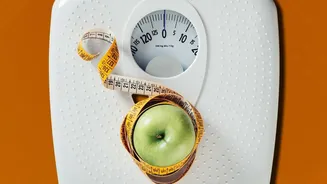
Before we dive into the hormonal aspect, let's clarify what water weight is. It's simply extra fluid held in the tissues and cavities of your body. Unlike body fat, which is gained over weeks of a consistent calorie surplus, water weight can appear suddenly,
even overnight. This 'weight' is a mix of water, sodium, and other substances that can cause feelings of puffiness or bloating. It's a low-grade, temporary condition for most people and often resolves on its own within a few days. Think of it as your body's fluid balance being temporarily out of sync, not a reflection of your long-term health or fat loss progress.
The Hormonal Connection to Fluid Balance
Hormones are chemical messengers that regulate countless bodily functions, including how your body manages fluid. Several key hormones can influence whether your body holds onto water or lets it go. The main players in this daily drama are often related to your menstrual cycle and your stress levels. Hormones like estrogen, progesterone, and cortisol can directly or indirectly tell your kidneys to hold onto more sodium. And where sodium goes, water follows. This is a natural, albeit sometimes annoying, part of how our bodies maintain equilibrium.
Your Menstrual Cycle and Bloating
For many women, the most predictable time for water retention is in the days leading up to their period. This is a classic symptom of premenstrual syndrome (PMS). In the second half of the menstrual cycle, after ovulation, progesterone levels rise. While progesterone can have a mild diuretic effect, the dramatic fluctuation and interplay with estrogen are what's key. Estrogen, in particular, can increase water retention by causing the body to hold onto sodium. This hormonal shift can lead to a temporary weight gain of a few pounds, along with that all-too-familiar feeling of being bloated and puffy, which typically resolves once menstruation begins.
Stress, Cortisol, and Water Retention
Ever noticed you feel puffier after a few nights of poor sleep or a particularly stressful week? You can thank cortisol, often called the 'stress hormone'. When you're stressed, your adrenal glands release cortisol. This hormone can cause your body to retain sodium, which in turn makes you hold onto water. This is an ancient survival mechanism, but in our modern world of chronic stress, it can lead to persistent feelings of bloating and swelling. Elevated cortisol can remain in your system for hours, meaning the effects of a stressful day can linger.
The Role of Aldosterone and Diet
Another crucial hormone is aldosterone, which is produced by the adrenal glands and plays a direct role in managing your body's balance of salt and water. Its main job is to tell the kidneys to reabsorb sodium, which helps maintain blood pressure and fluid volume. Factors like a high-salt diet can trigger this system, leading to more water being held in your tissues. The interaction is simple: more salt in your diet signals the body that it needs to retain water to dilute the sodium, and aldosterone helps carry out this command.
How to Manage Hormonal Fluctuations
While you can't stop your hormones from fluctuating, you can take steps to minimise the discomfort of water retention. Staying hydrated is key; it sounds counterintuitive, but drinking enough water helps your body flush out excess sodium. Focusing on a diet rich in potassium from foods like bananas and leafy greens can help counteract sodium's effects. Managing stress through gentle exercise, meditation, or better sleep can help lower cortisol levels. Finally, being mindful of your intake of salty, processed foods, especially in the days you know you're prone to bloating, can make a significant difference.