





The October Humidity Challenge
October in many parts of India presents a unique challenge for fitness enthusiasts. The monsoon has retreated, but the humidity often lingers, creating a hot and muggy environment. When you exercise in these conditions, your body has to work overtime
to cool itself down. Sweat is your body's primary cooling system, but when the air is already saturated with moisture, sweat doesn't evaporate efficiently from your skin. This means your body produces even more sweat in an attempt to regulate its temperature, leading to significant fluid loss. This excessive sweating doesn't just deplete your water levels; it also drains your body of essential minerals, making post-workout recovery feel much tougher.
What Are Electrolytes, Really?
You've likely heard the term 'electrolytes' in sports drink ads, but what are they? In simple terms, electrolytes are essential minerals—like sodium, potassium, magnesium, and calcium—that carry an electric charge when dissolved in water. These minerals are vital for your body to function correctly. They play a crucial role in regulating fluid balance, enabling nerve signals to fire, and allowing your muscles to contract and relax. Think of them as the tiny managers that keep your body's most critical systems running smoothly, from your heartbeat to every single muscle movement during your workout.
The Link Between Sweat, Fatigue, and Recovery
When you sweat heavily during a humid workout, you lose a significant amount of these vital electrolytes. An imbalance can lead to a range of unpleasant symptoms that slow down your recovery, including painful muscle cramps, dizziness, weakness, and persistent fatigue. While drinking plain water is crucial for rehydration, it doesn't replace the lost minerals. In fact, drinking excessive amounts of plain water can sometimes dilute the remaining electrolytes in your system, potentially worsening the imbalance. This is why you might still feel sluggish and sore long after you've finished your cool-down, even if you’ve been sipping water.
How Electrolyte Water Speeds Things Up
This is where electrolyte-infused water comes to the rescue. By replenishing not just the water but also the essential minerals you've lost, these drinks aid recovery in several ways. Sodium, the most abundant electrolyte lost in sweat, helps your body retain water more effectively, leading to faster and more efficient rehydration than water alone. Potassium and magnesium are critical for muscle function; they help your muscles relax properly after exercise, reducing the likelihood of post-workout cramps and soreness. By restoring this mineral balance quickly, you're giving your muscles and nerves exactly what they need to repair and recover, helping you feel energised sooner.
Choosing Your Electrolyte Source
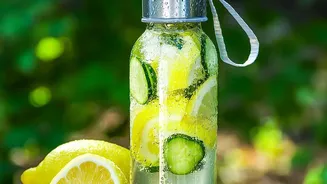
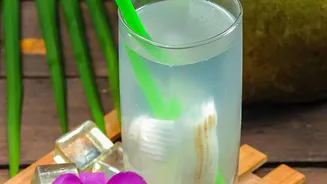
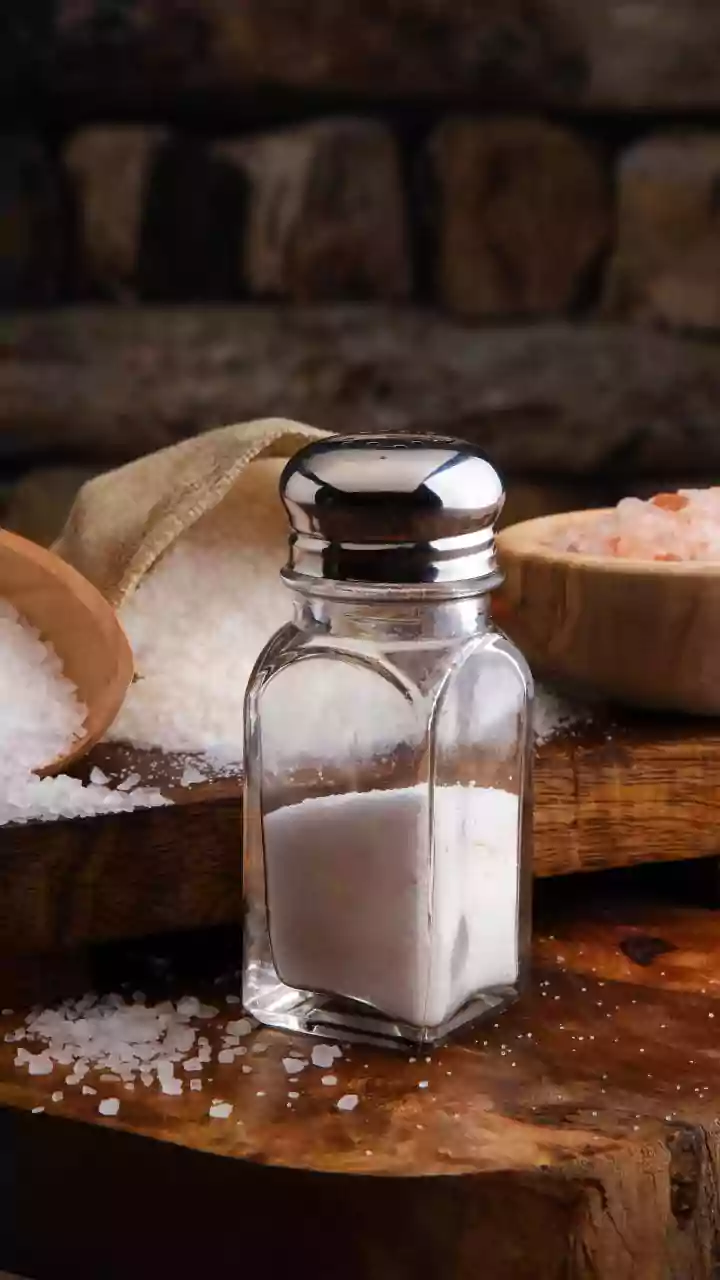
Replenishing electrolytes doesn't always require a commercial sports drink, which can sometimes be high in sugar. You have plenty of options. Electrolyte powders or tablets that dissolve in water are a convenient, low-sugar choice. However, you can also turn to natural sources. Coconut water is a fantastic natural electrolyte drink, rich in potassium. A simple and effective homemade solution involves adding a pinch of salt (for sodium and chloride) and a squeeze of lemon (for potassium and magnesium) to your water bottle. You can also support your recovery by eating foods rich in these minerals, such as bananas, avocados, leafy greens, nuts, and yogurt.