


Your Immediate First Steps
As soon as you get home, act quickly. The longer your shoes stay waterlogged, the higher the chance of damage. Start by removing the laces and insoles; this opens up the shoe, allowing air to circulate more freely. If the insoles are removable, take them
out to dry separately. Wipe off any excess mud or dirt from the outside of the shoes first, then use a towel to gently press and blot away as much surface water as you can. This initial prep work is crucial for an effective and even drying process.
The Golden Rule: Avoid Direct Heat
It might be tempting to place your soaked shoes near a heater, use a hairdryer, or leave them in direct, harsh sunlight to speed things up. Resist this urge. Exposing footwear, especially leather, to high, direct heat can cause the material to become brittle, crack, or warp. The intense heat can also damage the adhesives that hold your shoes together, leading them to fall apart prematurely. Patience is key; gentle, indirect drying methods are always the safest bet.
The Classic Method: Newspaper Power
The most well-known and effective method for drying shoes involves old newspapers. Crumple up sheets of newspaper and stuff them firmly inside each shoe, making sure to pack them all the way to the toe. The paper is highly absorbent and will draw moisture out from the inside. For best results, wrap the outside of the shoes in newspaper as well. Check the paper every few hours; if it feels damp, replace it with fresh, dry sheets. Depending on how soaked they are, your shoes could be dry within a day.
Modern Drying Alternatives
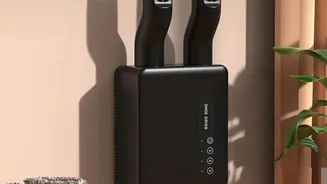
If you don't have newspaper, other household items work well. Microfiber towels or paper towels can be stuffed inside shoes for good absorption. Uncooked rice, known for rescuing wet electronics, can also be a saviour for footwear. Pour some into a sock, tie it off, and place it inside your shoe to act as a natural moisture absorber. For a more modern approach, placing your shoes in a room with a dehumidifier or near a fan can significantly speed up drying time by improving air circulation. A fan blowing cool air across the shoes is particularly effective.
Tips for Different Shoe Materials
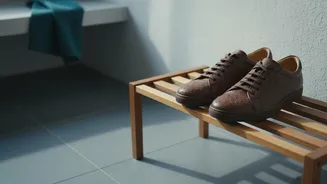
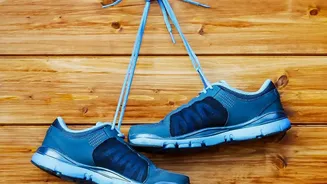
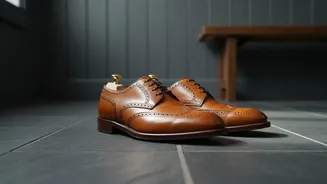
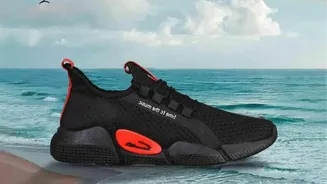
Not all shoes are created equal, and different materials require specific care. For leather shoes, it's vital to let them air dry slowly at room temperature, stuffed with paper or cedar shoe trees to maintain their shape. Suede is delicate and should be blotted with a towel, stuffed loosely, and left to dry completely before you attempt to brush the napped surface back into place. For athletic shoes made of canvas or mesh, you can be a bit more aggressive with a fan. These materials are more durable and benefit from the increased airflow.
Banishing Unpleasant Odours
Dampness creates a perfect breeding ground for odour-causing bacteria and fungi. Once your shoes are completely dry, you may notice a lingering musty smell. To combat this, sprinkle a generous amount of baking soda inside each shoe and let it sit overnight to absorb the odours. You can also place dry tea bags inside your shoes, as they are natural deodorizers. Another effective remedy is to spray the inside with a solution of equal parts white vinegar and water, which helps kill bacteria. Let them air out thoroughly after any odour treatment.
The Hidden Dangers of Damp Feet
Wearing damp shoes is more than just a discomfort; it poses health risks. The warm, moist environment inside a wet shoe is ideal for the growth of fungi, which can lead to conditions like athlete's foot (tinea pedis). Prolonged exposure to moisture can also soften the skin on your feet, making it more susceptible to blisters, tears, and bacterial infections. It's crucial to ensure your footwear is completely dry before wearing it again to protect your foot health.