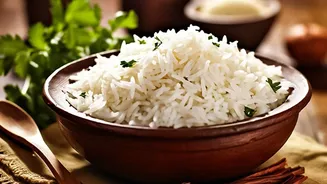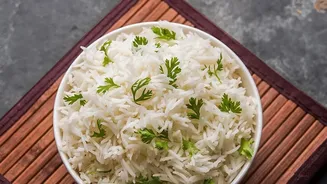






Why Your Rice Gets Sticky
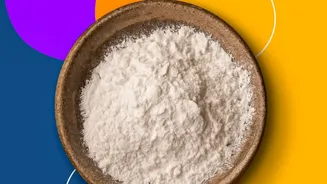
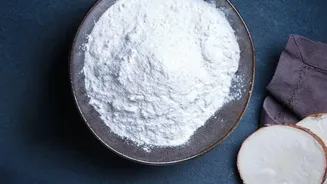
The primary reason basmati rice becomes sticky is excess surface starch. During milling and transport, a fine powder of starch coats the dry grains. When this isn't removed, it dissolves in the hot cooking water, creating a glue-like substance that binds
the grains together. Other common mistakes include using too much water, which leads to mushy rice; cooking on excessively high heat, which can break the delicate grains; stirring during cooking, which releases more starch; and skipping the crucial resting period after cooking. By understanding these pitfalls, you can easily avoid them.
The Non-Negotiable First Step: Rinsing
Rinsing your basmati rice is the single most effective step toward achieving fluffy grains. The goal is to wash away that loose surface starch. To do it correctly, place your rice in a bowl, cover it with cold water, and gently swirl the grains with your fingers before pouring the cloudy water off. Repeat this process three to five times, or until the water goes from milky-white to mostly clear. It will never be perfectly transparent, but this simple act ensures the grains cook as individuals rather than a single, starchy clump.
To Soak or Not to Soak?
While rinsing is essential, soaking is a highly recommended extra step. Soaking basmati rice for 20 to 30 minutes in cold water before cooking allows the grains to hydrate evenly. This pre-hydration has several benefits: it helps the grains cook more evenly, reduces cooking time, and allows them to expand to their maximum length without breaking. The result is dramatically longer, more elegant, and perfectly separated grains. For special dishes like biryani, this step is considered almost essential for the best texture.
Mastering the Water-to-Rice Ratio
Using the wrong amount of water is a common mistake that leads to mushy rice. While some packages suggest a 2:1 ratio, a more reliable starting point for the stovetop absorption method is 1 cup of basmati rice to 1.5 cups of water. This ratio can be slightly adjusted based on the age of the rice and your preference. If you've soaked your rice, you may need to reduce the water slightly, as the grains have already absorbed some moisture. Finding your perfect ratio might take a little practice, but 1:1.5 is a trusted baseline.
The Art of Gentle Cooking
Once your rice and water are in a heavy-bottomed pot, the cooking process requires a gentle hand and patience. Bring the water to a boil over medium-high heat, then immediately reduce the heat to the lowest possible setting. Cover the pot with a tight-fitting lid and let it simmer for 10-12 minutes. Crucially, do not stir the rice or lift the lid. Stirring can break the delicate grains and release more starch, while lifting the lid lets the essential steam escape, disrupting the cooking process. Trust the steam to do its work.
The Final Secret: Let It Rest
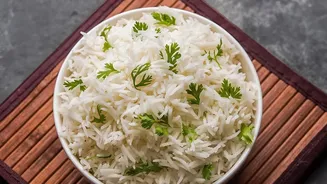
Perhaps the most overlooked step is also one of the most important. Once the cooking time is up, remove the pot from the heat but keep the lid on. Let the rice rest undisturbed for at least 5 to 10 minutes. This allows the residual steam to finish cooking the grains and for the moisture to redistribute evenly throughout the pot. The grains will firm up during this stage, making them less likely to break. If you fluff the rice immediately, the bottom will be wetter than the top, and the delicate grains can turn mushy.