

The Enduring Legacy of Rajasthani Clay
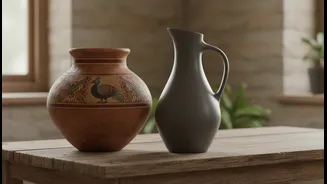
For centuries, the potter's wheel has been the rhythmic heart of villages across Rajasthan. From the ubiquitous matka that cools water naturally to the festive diyas that light up homes, clay has been integral to daily life. Regions like Alwar, known
for its paper-thin 'Kagzi' pottery, and Molela, famous for its terracotta plaques of deities, have nurtured unique traditions passed down through generations. This craft is more than a livelihood; it's a repository of cultural identity, with skills and secrets transferred from parent to child. The clay itself, sourced from local riverbeds and lakes, is considered sacred, a gift from the earth that is shaped by human hands into objects of utility and beauty.
A Craft at a Crossroads
Despite this rich heritage, traditional pottery has faced significant challenges. The onslaught of cheaper, mass-produced plastic and steel alternatives has seen demand for traditional earthenware dwindle. Many artisan families struggle with low incomes, inconsistent sales, and a lack of direct market access, often relying on middlemen. Furthermore, the younger generation, seeing the financial precarity, has been less inclined to take up the family craft, leading to fears of these ancient skills fading into obscurity. The seasonal nature of demand, often peaking only during festivals, makes it difficult to sustain a livelihood year-round.
The Design Intervention
This is where a new chapter begins, written by collaboration. Designers and social enterprises are partnering with these artisan communities, not to overhaul their craft, but to build upon its inherent strengths. The goal is not to replace tradition but to make it relevant to a contemporary audience. This intervention involves co-creating new product lines that fit modern lifestyles while preserving the soul of the craft. Design institutions and collectives are helping to bridge the gap between ancestral wheel-throwing methods and the demands of an urban market, focusing on functionality, aesthetics, and quality control. These partnerships often provide artisans with training, better tools, and perhaps most importantly, a steady and respectful channel to new customers.
From Traditional Forms to Modern Tables
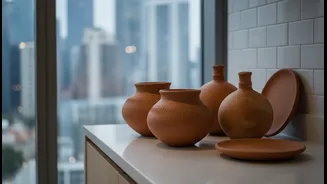
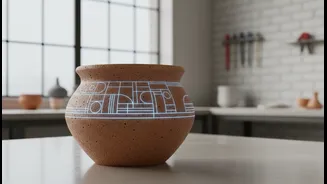
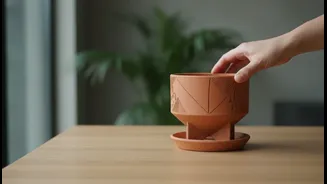
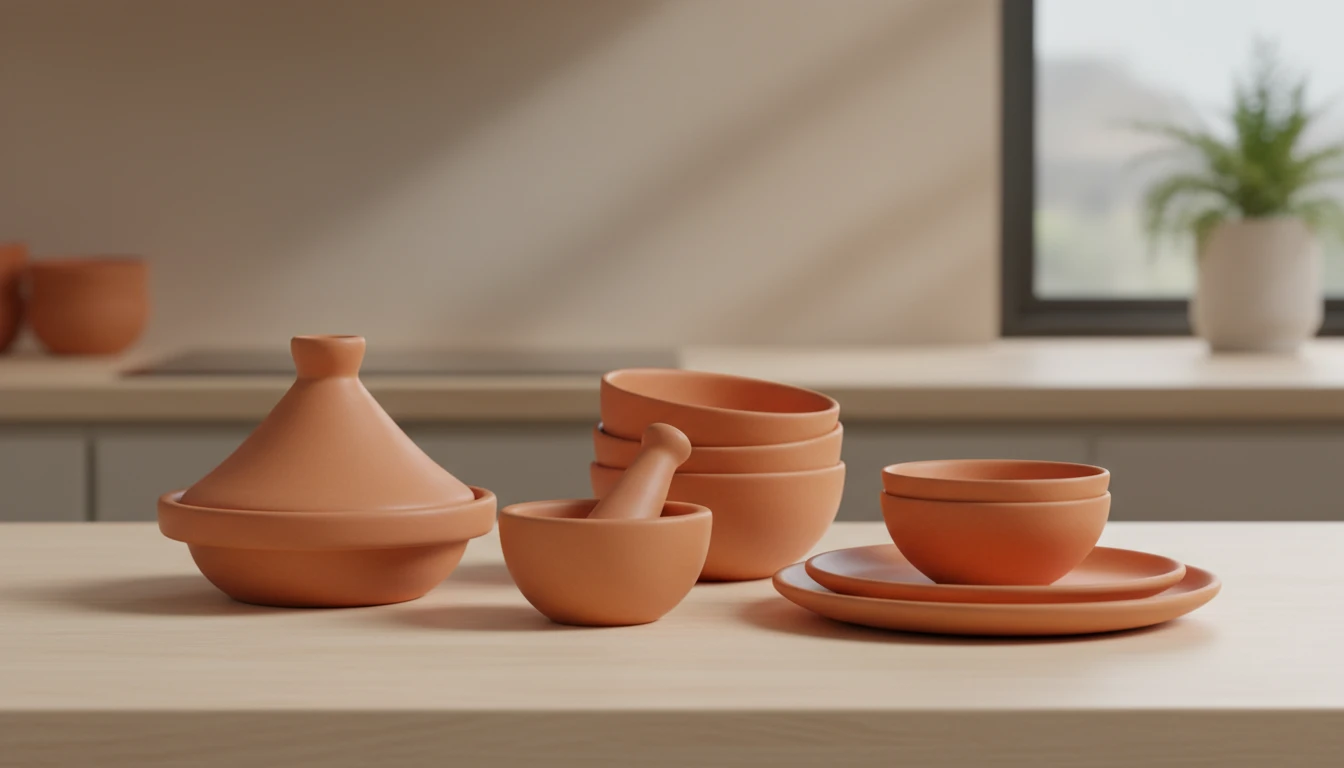
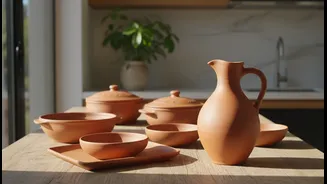
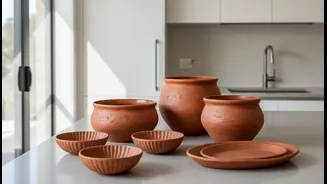
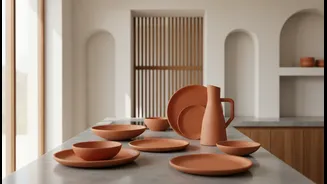
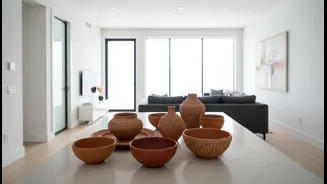
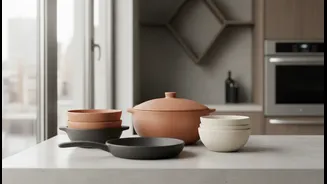
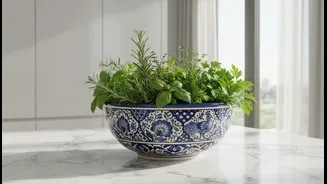
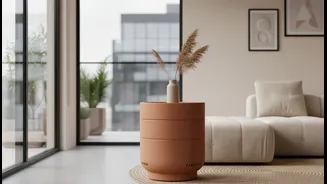
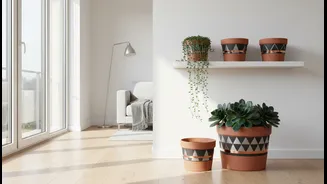
The results of these collaborations are transforming kitchens and dining tables. The humble matka is reimagined as a sleek water dispenser with a smart wooden lid. Simple bowls are reshaped with minimalist aesthetics, perfect for serving pasta or salads. The earthy texture of terracotta is being applied to coffee mugs with ergonomic handles, baking dishes, and elegant serving platters. Designers are working with potters to experiment with new, food-safe glazes and contemporary forms, moving beyond purely decorative items to create functional art. These products retain the charm of a handcrafted object while offering the practicality required in a modern home, appealing to a growing base of consumers looking for sustainable and story-rich goods.
Empowerment and a Sustainable Future
This fusion of craft and design does more than just create beautiful objects; it creates opportunity. By connecting potters with urban and even international markets, these initiatives provide a more stable and substantial income. It allows artisans to earn a dignified livelihood from their ancestral skills, fostering pride and encouraging younger community members to see pottery as a viable career. Organisations like Swadeshi Blessings and platforms like Khamir have been instrumental in these efforts, ensuring artisans are key partners in the process. This model of conscious commerce helps preserve a vital piece of India's cultural heritage by making it economically sustainable and celebrated in a new, modern context.