








The 'Why' Behind the Wanderlust
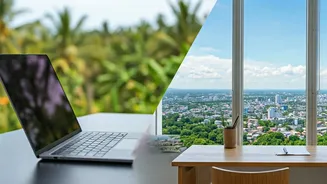
The biggest driver of this trend is undoubtedly the remote work revolution. Before the pandemic, the idea of working from a cafe in Goa or a Himalayan homestay was a dream for most. Now, it’s a reality for a growing number of Indian professionals. With
hybrid work models becoming standard, employees are no longer tethered to a physical office, giving them the freedom to travel for longer periods without sacrificing their careers. This flexibility is coupled with a widespread sense of burnout. Many are seeking to escape the pressures of city life and reconnect with nature and themselves. Instead of a quick break that barely scratches the surface, people want trips that allow them to genuinely unwind, reset, and return with a renewed sense of purpose. This has led to a surge in what's being called 'slow travel'—the choice to spend more time in fewer places.
From Tourist to Temporary Local
A longer trip isn’t just an extended holiday; it’s a completely different mindset. The goal shifts from seeing the sights to experiencing a place like a local. Travellers are renting apartments instead of hotel rooms, shopping at local markets, and building relationships within the community. This shift is reflected in booking data, with platforms like Airbnb reporting that stays longer than 28 days are becoming increasingly common. The focus is on immersion—taking a cooking class, volunteering, or simply finding a favourite neighbourhood cafe. The rise of 'workcations' and 'bleisure' (blending business and leisure) travel means that professional and personal life are merging in new and exciting ways, often turning a work trip into an extended family adventure.
The Indian Traveller's Long Game
This trend is particularly strong in India, where a young, digitally-savvy workforce is eager to explore. Travellers are increasingly swapping crowded tourist hubs for quieter, lesser-known destinations. Domestically, places like Dharamshala, Rishikesh, and the quiet corners of Goa are seeing a surge in interest from those looking to escape urban noise. People are discovering that India doesn't have a single tourist season, but rather a series of unique experiences that change throughout the year. Internationally, destinations in Southeast Asia and Europe are becoming popular choices for long-term stays. The appeal of a lower cost of living combined with rich cultural experiences makes places like Bali, Vietnam, and Portugal incredibly attractive.
Making the Long Haul Happen
The logistics of a long-term trip are also becoming easier to navigate. More than 50 countries now offer 'digital nomad visas' specifically designed for remote workers, including Indian citizens. These visas provide a legal framework to live and work in a country for an extended period, from one year to five. Popular options for Indians include countries like Spain, Portugal, Malaysia, and Thailand, each with its own set of income and work requirements. This official recognition by governments is a clear sign that the infrastructure to support long-term travel is solidifying. For those planning such a trip, the key is flexibility—both in your itinerary and your mindset. The freedom to stay longer in a place you love or change your plans spontaneously is one of the greatest rewards of slow travel.