







Fortify Your Immune System
Monsoon brings a drop in temperature and a rise in viral infections. Strengthen your body’s defences by incorporating immunity-boosting foods into your diet. Think citrus fruits rich in Vitamin C, turmeric, ginger, and garlic. A warm bowl of soup isn't
just comforting; it's a great way to stay hydrated and get your nutrients. Avoiding heavy, oily street food, which can be a breeding ground for germs in this season, is also a wise move.
Waterproof Your Home Preemptively
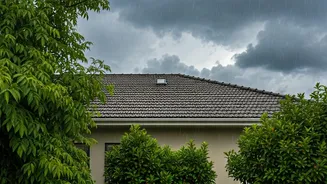
Don’t wait for the first leak to appear in your ceiling. Before the downpour gets intense, conduct a thorough check of your home’s exterior. Look for cracks in the walls, roof, and around window sills. Seal them with appropriate waterproofing compounds. Also, ensure your drains and gutters are clear of debris to prevent water from collecting and seeping into your foundation. A little proactive work saves a lot of trouble later.
Prioritise Electrical Safety
Water and electricity are a deadly combination. Monsoon humidity can affect wiring and electrical points. Get a qualified electrician to check for any exposed wires or faulty switches. Avoid touching switches with wet hands. It’s also a good idea to unplug appliances like televisions and computers during heavy thunderstorms with lightning to protect them from power surges. An earth leakage circuit breaker (ELCB) is a crucial safety device for this season.
Prep Your Vehicle for Wet Roads
Driving in the rain is challenging enough without a car breakdown. Before the monsoon sets in, get your vehicle serviced. Pay special attention to your tyres; they should have adequate tread to grip wet roads and prevent aquaplaning. Check your brakes, wipers, and headlights to ensure they are in perfect working condition. A car that is ready for the rain is a much safer car for you and others on the road.
Eat Right and Stay Hydrated
Your digestive system can be sensitive during the monsoon. Stick to light, home-cooked meals. Avoid raw vegetables and salads unless they are thoroughly washed with clean water. Drink plenty of boiled or purified water to stay hydrated and flush out toxins. Herbal teas with ingredients like tulsi, ginger, and mint are excellent for keeping coughs and colds at bay while providing warmth and comfort.
Assemble a Monsoon Emergency Kit
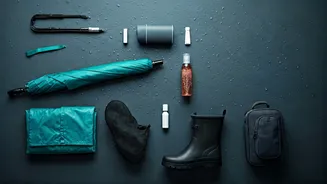
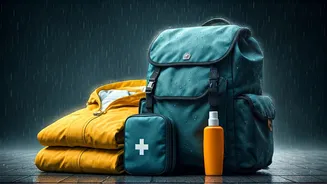
Power cuts and waterlogging can leave you stranded. Be prepared by creating a simple emergency kit. It should include a powerful torch with extra batteries, a power bank for your phone, a first-aid kit with basic medicines, antiseptic liquid, and bandages. Having some non-perishable snacks and a few bottles of drinking water on hand is also a smart idea, especially if you live in a low-lying, flood-prone area.
Combat Dampness and Musty Odours
The high humidity of the monsoon can lead to dampness, mould, and a persistent musty smell in your home. Ensure good ventilation by opening windows whenever it's not raining. Use dehumidifiers or place silica gel packs, camphor balls, or even bowls of salt in closets and closed spaces to absorb excess moisture. Regularly air out your clothes, shoes, and leather goods to prevent fungal growth.
Dress Smartly for the Climate
Choosing the right fabric can make a huge difference to your comfort. Ditch heavy materials like denim and opt for light, breathable, and quick-drying fabrics like cotton, nylon, or polyester blends. These won't stick to your skin when wet and will dry faster, preventing you from catching a chill. Bright colours can lift your spirits on a gloomy day and also make you more visible to traffic.
Protect Your Precious Gadgets
Moisture is the enemy of electronics. Invest in waterproof bags or good-quality zip-lock pouches for your phone, laptop, and other gadgets when you step out. If a device does get wet, turn it off immediately, remove the battery if possible, and let it dry completely before trying to switch it back on. Placing it in a container of uncooked rice can help draw out the moisture.
Keep Mosquitoes at Bay
Stagnant water is a breeding ground for mosquitoes, which spread diseases like dengue, malaria, and chikungunya. Do a weekly check around your home and empty any containers holding water—flower pots, old tyres, or air cooler trays. Use mosquito nets, repellents, and ensure your windows have mesh screens to prevent these pests from entering your home. Keeping your surroundings clean is your best defence.