



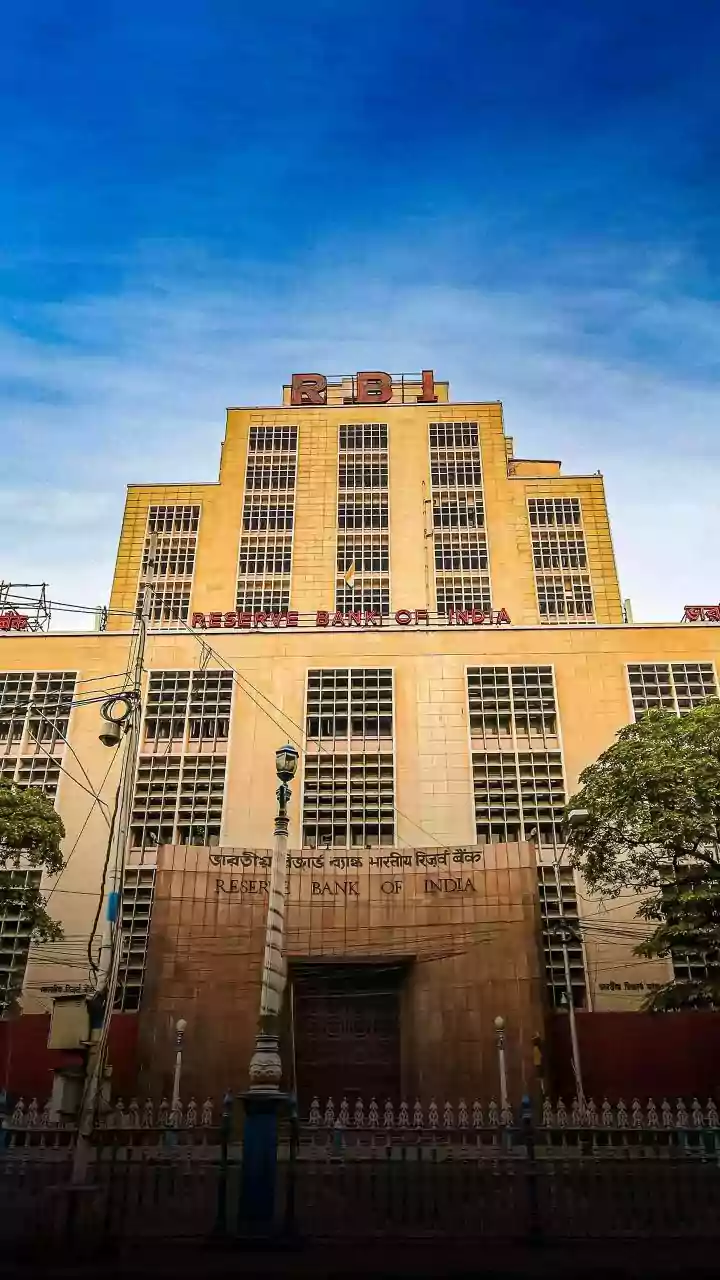



A Snapshot From Registration Data
The simplest way to gauge the health of the property market is to look at registrations, and the latest numbers for Mumbai tell a compelling story. In August 2026, the city recorded 12,503 property registrations. This figure represents an 11% increase
compared to the same month last year, making it the strongest August for property registrations in over a decade. This year-on-year growth signals sustained buyer interest. For the first eight months of 2026, total registrations stood at 106,659, a notable 6.8% increase from the same period in 2025. The government’s revenue from stamp duty collections, a direct result of these transactions, also climbed 12% year-on-year to ₹1,123 crore in August. While there was a minor dip in registrations compared to July 2026, the annual growth trend confirms that underlying demand remains robust.
What’s Fuelling the Demand?
Several powerful forces are keeping Mumbai's housing market active. A primary driver is the city's ongoing infrastructure upgrade. The expansion of the metro network and improved road connectivity are significantly cutting down commute times, making previously overlooked suburban areas more attractive and accessible. This doesn't just change travel patterns; it changes perceptions of livability, bringing more locations into the consideration set for prospective buyers. Another critical factor is the rise of redevelopment. With a scarcity of open land, much of the new housing supply, especially in established neighbourhoods, comes from rebuilding older structures. For homebuyers, this offers the unique advantage of purchasing a modern home in a mature locality without the long wait for new infrastructure to develop. Data shows redevelopment’s share of housing sales has jumped to 15% in the last two years, up from just 6% previously, indicating a strong preference for these properties.
The Price and Supply Equation
Despite persistent demand, property prices in Mumbai are seeing steady, not speculative, growth. Average residential prices rose about 4% in the first half of 2026 compared to the previous year. However, Mumbai is not a single, uniform market. Prices in premium South Mumbai can range from ₹45,000 to over ₹75,000 per square foot, while central suburbs like Ghatkopar and Mulund offer more accessible entry points between ₹18,000 and ₹28,000 per square foot. Interestingly, market trends show a shift towards higher-value homes. The share of homes sold for under ₹50 lakh has decreased, while homes in the ₹1-2 crore and ₹2-5 crore brackets are gaining traction. This suggests that buyers are increasingly prioritising larger spaces, better amenities, and prime locations. New property launches are keeping pace with sales, ensuring that supply continues to meet the resilient demand.
Making the Big Buying Decision
With a market this complex, the decision to buy a home in Mumbai requires careful thought beyond just tracking price trends. The first step is a realistic budget assessment. Financial experts advise that your home loan EMI should not exceed 30-45% of your take-home monthly income. Remember to account for additional costs like stamp duty, registration, GST (for under-construction properties), and interior expenses, which can add 10-15% to the property's base price. Securing a pre-approved home loan can give you a clear budget and strengthen your negotiating position. Experts also stress the importance of looking beyond city-wide averages and researching the specific micro-market you're interested in. Evaluate the area's connectivity, social infrastructure like schools and hospitals, and future development plans. Ultimately, the right question isn't just whether prices will rise, but whether a particular property makes long-term financial and practical sense for your specific needs.