
The Plant-Based Mineral Challenge
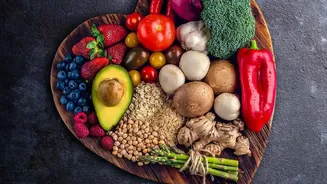
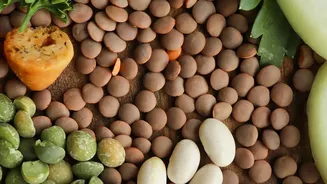
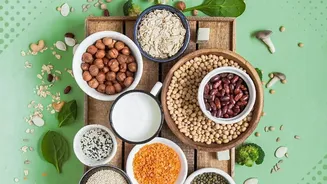
Plant-based foods like lentils, beans, spinach, and whole grains are packed with iron. However, this iron, known as non-heme iron, is less easily absorbed by our bodies compared to the heme iron found in animal products. This is partly due to compounds
called phytates, which are present in grains, legumes, and seeds. Phytates can bind to minerals like iron and zinc, forming insoluble complexes that our bodies struggle to break down and use, effectively locking away some of the nutrients. This doesn't mean these foods are less healthy, but it does mean we can be strategic to get the most out of them.
Vitamin C: The Key to Unlocking Nutrients
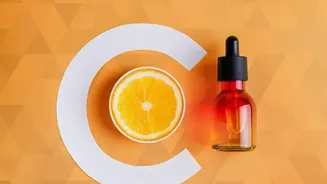
This is where Vitamin C comes to the rescue. This powerful vitamin, also known as ascorbic acid, is a potent enhancer of non-heme iron absorption. It works in two main ways. First, it helps convert the iron from its harder-to-absorb ferric (Fe³⁺) form into the more soluble ferrous (Fe²⁺) form, which our intestines can absorb more readily. Second, Vitamin C forms a soluble complex with iron, which prevents it from being locked up by inhibitors like phytates. Studies have shown that adding even a moderate amount of Vitamin C to a meal can significantly increase iron absorption, with some research suggesting a boost of up to 67%. Just 50 mg of Vitamin C per meal, the amount in about half a bell pepper, can make a real difference.
Power-Up Your Breakfast
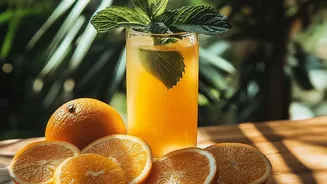
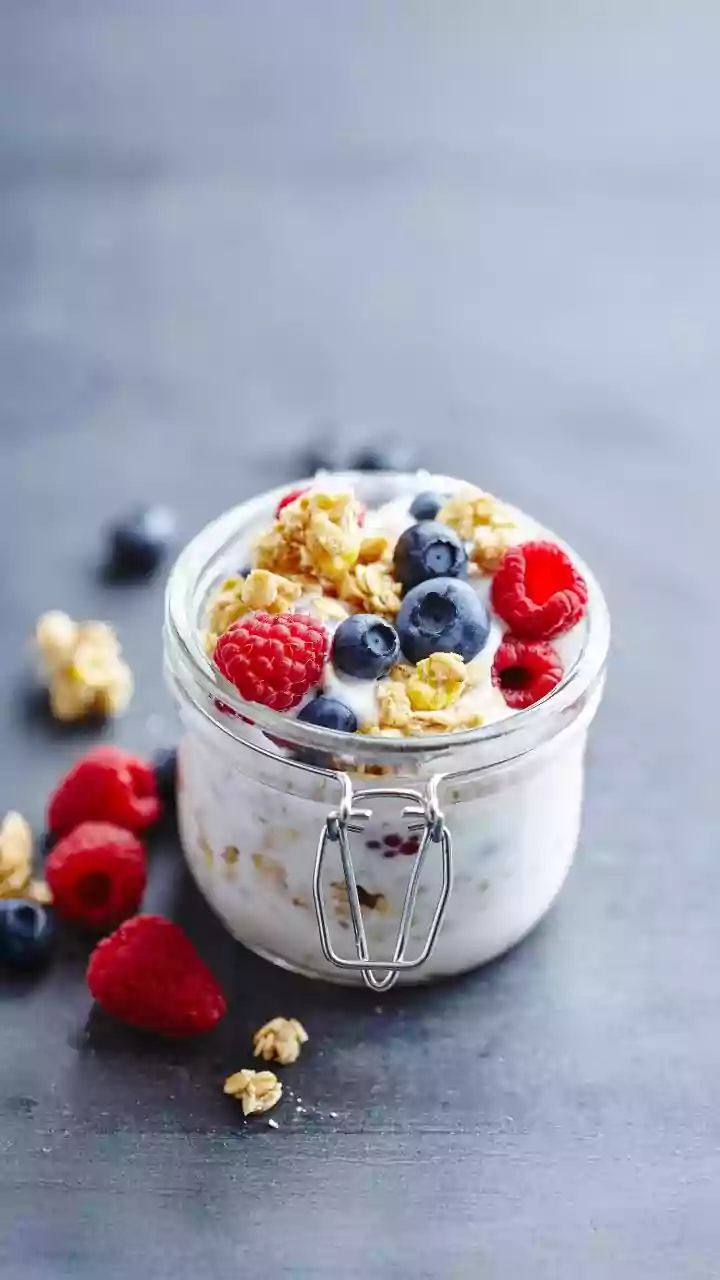
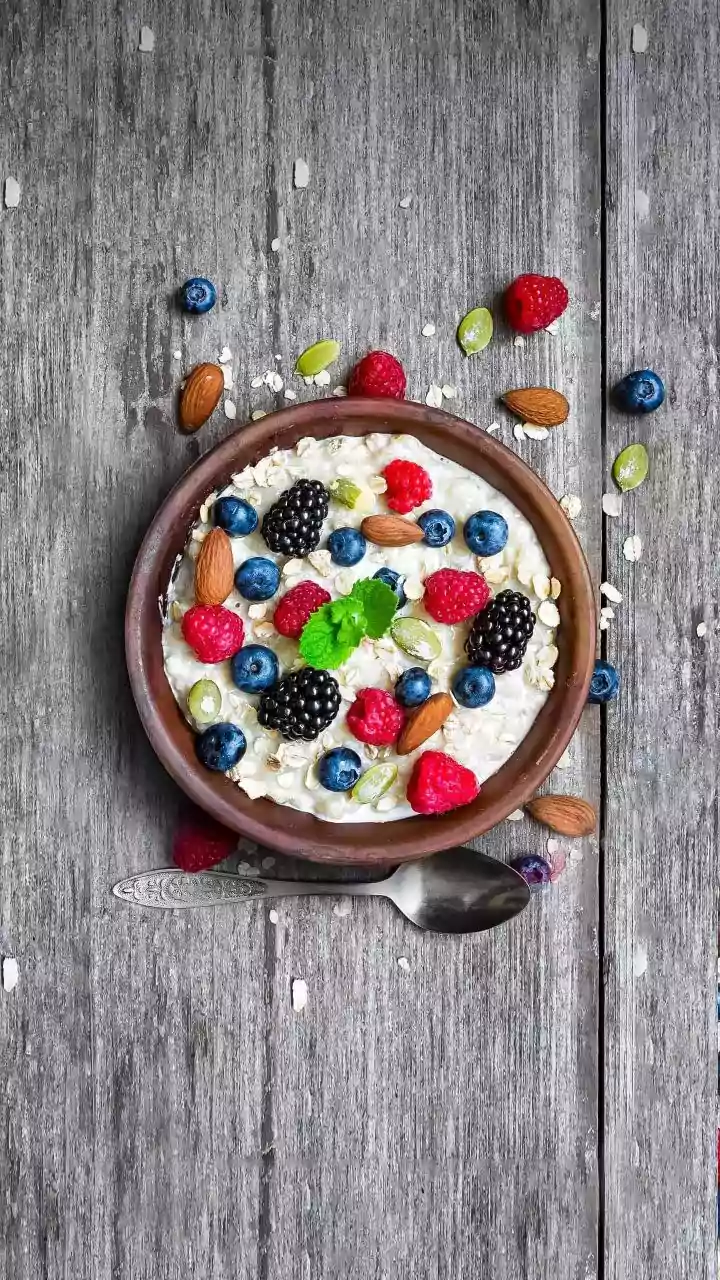
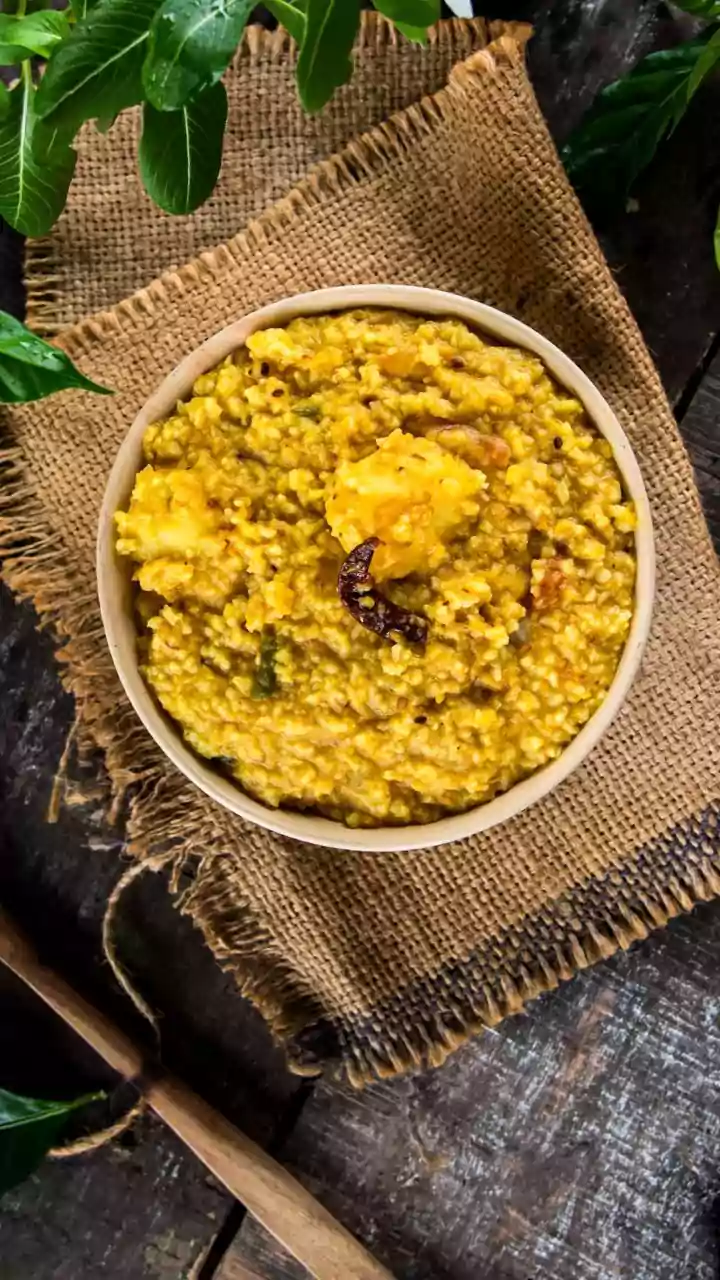
Starting your day with a smart combination can set you up for nutritional success. Many common Indian breakfast choices are already rich in plant-based iron. For example, if you enjoy poha, simply squeezing a generous amount of lemon juice over it before eating introduces the Vitamin C needed to boost iron uptake. Another great option is pairing a bowl of oatmeal or a millet porridge with Vitamin C-rich fruits. Topping your meal with fresh strawberries, mango, or a handful of berries works wonders. Even a side of papaya or a small glass of fresh orange juice alongside your meal can effectively enhance mineral absorption from your grains.
Revolutionise Your Lunch and Dinner
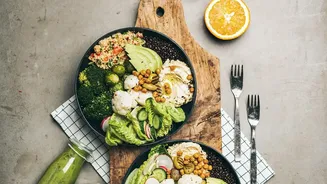
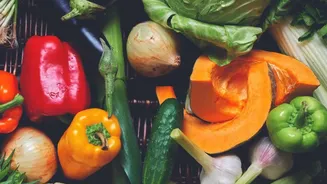
Applying this principle to your main meals is just as easy and delicious. A classic Indian thali offers a perfect opportunity. A squeeze of fresh lemon or lime over your dal (lentils) or palak (spinach) dishes is a traditional practice that has a strong scientific basis. When preparing chana masala or rajma, including tomatoes in the base gravy adds a healthy dose of Vitamin C. You can also serve your meal with a side of kachumber salad made with tomatoes, onions, and a lemon dressing. Another fantastic pairing is a tofu or paneer stir-fry loaded with colourful capsicum (bell peppers) and broccoli, which are excellent sources of Vitamin C. The vitamin C from the vegetables will help you absorb more iron from the tofu and greens.
Smart Snacking and Food Choices
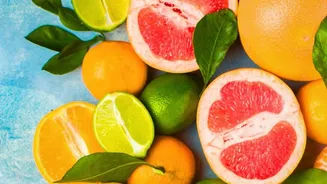
Snacks and general food choices can also be optimized. Pairing iron-rich nuts and seeds, like pumpkin seeds, with a piece of citrus fruit makes for a powerful nutrient-boosted snack. When choosing produce, remember that many Indian staples are bursting with Vitamin C. Amla (Indian gooseberry) and guava are local powerhouses, containing significantly more Vitamin C than oranges. Other great sources widely available in India include tomatoes, green chillies, moringa leaves, and coriander. A simple habit like adding fresh coriander as a garnish or having a slice of amla can contribute to better mineral absorption in your overall diet.