



The Magic of Capillary Action
What is this system? Simple. A capillary mat is a special absorbent fabric. You place one end in a water reservoir (like a tray or tub) and arrange your pots on top. The mat acts like a giant wick, drawing water up from the reservoir and transferring
it to the soil through the drainage holes in your pots. This process, called capillary action, is the same science that allows a paper towel to soak up a spill. It’s a “smart” system because the plant only draws the water it needs, when it needs it, preventing both under-watering and over-watering. It’s an ideal solution for anyone who travels, has a busy schedule, or simply wants a more reliable way to care for their plants.
Why Your Chili Plants Will Thrive
Chili plants are notoriously fussy about water. They love consistent moisture but despise soggy, waterlogged roots, which can lead to root rot and other diseases. Traditional top-watering can be inconsistent; you might give too much one day and too little the next, stressing the plant. A capillary mat solves this problem beautifully. By providing a steady, gentle supply of water from the bottom up, it keeps the soil evenly moist without ever saturating it. The roots take exactly what they need, promoting strong, healthy growth and, most importantly, a bountiful harvest of spicy chilies. This method mimics a more natural water uptake process, leading to less plant stress and more prolific fruiting.
Step-by-Step Setup Guide
Ready to set up your own system? It’s incredibly easy. First, find a waterproof tray or container that will serve as your water reservoir. It should be large enough to hold your mat and a decent amount of water. Cut your capillary matting to fit inside the tray, leaving a small flap or tail on one side to dip deep into the water. Next, thoroughly wet the mat until it’s fully saturated—this is crucial for starting the wicking process. Place the saturated mat in the tray. Now, arrange your chili pots directly on top of the mat. Make sure the pots have drainage holes so the soil can make contact with the wet fabric. Finally, fill your reservoir with water, and the system is active!
Choosing the Right Pots and Soil
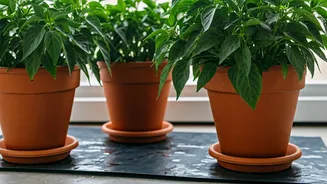
For this system to work, your setup must be correct. The most important rule is using pots with drainage holes at the bottom. Without them, the water has no way to enter the pot. Terracotta or plastic pots both work well, as long as the soil inside can make direct contact with the mat. The soil composition also matters. Your potting mix should be well-draining to facilitate the upward movement of water. A standard mix of cocopeat, compost, and perlite or sand is ideal. This combination holds enough moisture to keep the plant happy but is light enough to prevent the soil from becoming a dense, muddy block. Avoid using heavy, clay-based garden soil, which can become compacted and prevent proper wicking.
Advanced Tips for Best Results
To get the most out of your capillary watering system, keep a few things in mind. Over time, mineral salts from tap water and fertilisers can build up in the soil. To prevent this, flush your pots with water from the top once every few weeks, letting it drain out completely. Also, keep an eye on your water reservoir; in hot weather, it can empty surprisingly quickly. If you notice any green algae forming on the mat, don’t panic. It’s usually harmless, but you can prevent it by using an opaque or covered reservoir that blocks light. You can also occasionally wash the mat with a mild soap solution between seasons to keep it clean and efficient for years to come.