



The Gentle Magic of Cold Brew
Unlike traditional tea that relies on hot water, cold brewing is a slow, patient process. By steeping tea leaves in cold or room-temperature water for several hours, typically between 6 to 12, the flavour is extracted gently. This method significantly
reduces the release of tannins, the compounds responsible for bitterness and astringency in tea. The result is a remarkably smooth, naturally sweet, and less acidic beverage that allows the delicate nuances of the tea to shine through. Because it sidesteps the harshness that can come from over-steeping in hot water, cold brewing is almost foolproof, revealing a cleaner, more rounded flavour profile.
Why Single-Estate Tea Matters
Just as with fine wine, the concept of 'terroir' is crucial in the world of tea. A single-estate tea comes from one specific tea garden or estate. This means its flavour is a direct reflection of the soil, climate, and altitude of that unique location. Whether it’s a floral Darjeeling, a robust Assam, or a delicate Nilgiri, single-estate teas offer a purity of flavour that can be lost in blends. When cold-brewed, these subtle and complex notes are preserved and highlighted, not masked by bitterness. Tender, lightly processed green, white, and oolong teas are particularly well-suited for this method, as their fresh, floral characteristics are beautifully preserved.
The Aromatic Power of Fresh Tulsi
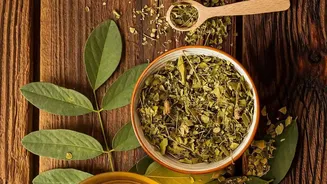
Revered in India as the “Queen of Herbs,” Tulsi (Holy Basil) has been a cornerstone of Ayurvedic tradition for millennia. Its distinct flavour—a complex blend of peppery, clove-like, and sometimes lemony notes—is what makes it so special. While dried Tulsi is wonderful, fresh leaves offer a lighter, grassier, and more volatile aromatic experience. When added to a cold brew, the essential oils from the fresh leaves infuse the water without the need for heat, lending a vibrant, herbaceous quality that is both invigorating and soothing. There are several varieties, like Rama and Krishna Tulsi, each offering a slightly different peppery or spicy character.
A Perfect Marriage of Flavours
The combination of these three elements creates something truly special. The smoothness of the cold brew provides a clean canvas. The nuanced, terroir-driven character of a single-estate tea offers complexity and depth. Finally, the fresh Tulsi leaves cut through with a bright, herbal spice, lifting the entire flavour profile. The peppery notes of the Tulsi can complement the malty sweetness of a black tea or enhance the grassy notes of a green tea, creating a balanced and sophisticated drink that is profoundly refreshing. It’s a modern take that honours the integrity of each ingredient.
How to Make Your Own Tulsi Cold Brew
Creating this elegant beverage at home is surprisingly simple. You don’t need any fancy equipment—just a large jar or pitcher, water, tea, and fresh Tulsi.
1. Choose Your Ingredients: Select a high-quality single-estate loose-leaf tea. A first-flush Darjeeling, a light oolong, or a white tea would be excellent choices. You will also need a handful of fresh Tulsi leaves, rinsed well.
2. Get the Ratio Right: A good starting point is about 1 to 2 teaspoons of loose tea and 4-5 fresh Tulsi leaves per 250ml of cold, filtered water. You can adjust this to your preference.
3. Combine and Steep: Place the tea leaves and fresh Tulsi in your jar. You can lightly bruise the Tulsi leaves to help release their oils. Pour the cold water over them.
4. Be Patient: Cover the jar and place it in the refrigerator. Let it steep for at least 6-8 hours, or overnight. Black and oolong teas can often steep a bit longer, up to 12 hours.
5. Strain and Serve: Once steeped, strain the leaves from the liquid. Serve the cold brew over ice, with a sprig of fresh Tulsi or a slice of lime for garnish. Enjoy your brew within 36 hours for the best flavour.